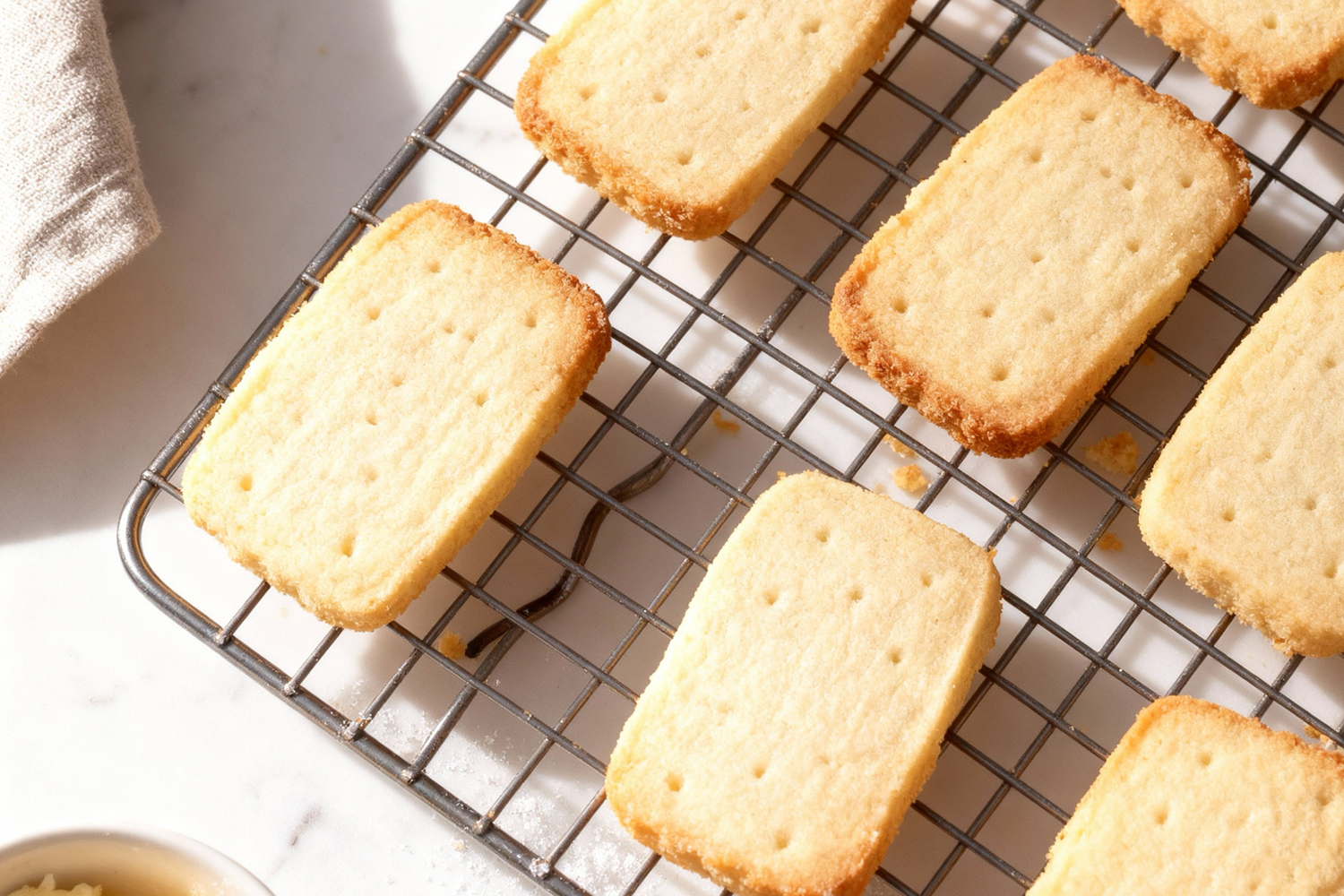
Shortbread cookies are elegance in simplicity. Buttery, crumbly, and lightly sweet, they melt in your mouth and pair perfectly with tea or coffee.
Minimal ingredients yield maximum flavor, making them a go-to for both beginners and seasoned bakers.
These cookies are easy to shape into rounds, fingers, or even festive shapes, and a light sprinkle of sugar on top adds visual charm.
They’re ideal for gift-giving, afternoon treats, or as a sophisticated dessert alongside fruit or chocolate.
Baking shortbread cookies is a joy, and tasting them fresh from the oven is even better.
They’re simple, classic, and endlessly satisfying.
How to Make Shortbread Cookies
Buttery, tender, and beautifully simple, these shortbread cookies melt in your mouth with every bite.
With just a few ingredients and the right technique, you’ll get clean edges and rich flavor every time.
Let’s make a classic that never goes out of style.
🔥 Buttery and delicate, shortbread is all about simplicity done right. If you appreciate that melt-in-your-mouth texture, these elegant, flavor-forward cookies are a must-bake next.
How to Get Your Shortbread Cookies Just Right
Shortbread cookies are beloved for their buttery flavor, tender crumb, and delicate texture. Perfecting them requires attention to technique, timing, and ingredient handling.
Follow these expert tips to ensure consistently delicious results:
1. Use quality butter
The flavor of shortbread comes primarily from butter, so choose high-quality unsalted butter. Avoid margarine or low-fat substitutes, as they will affect texture and taste.
2. Creaming technique
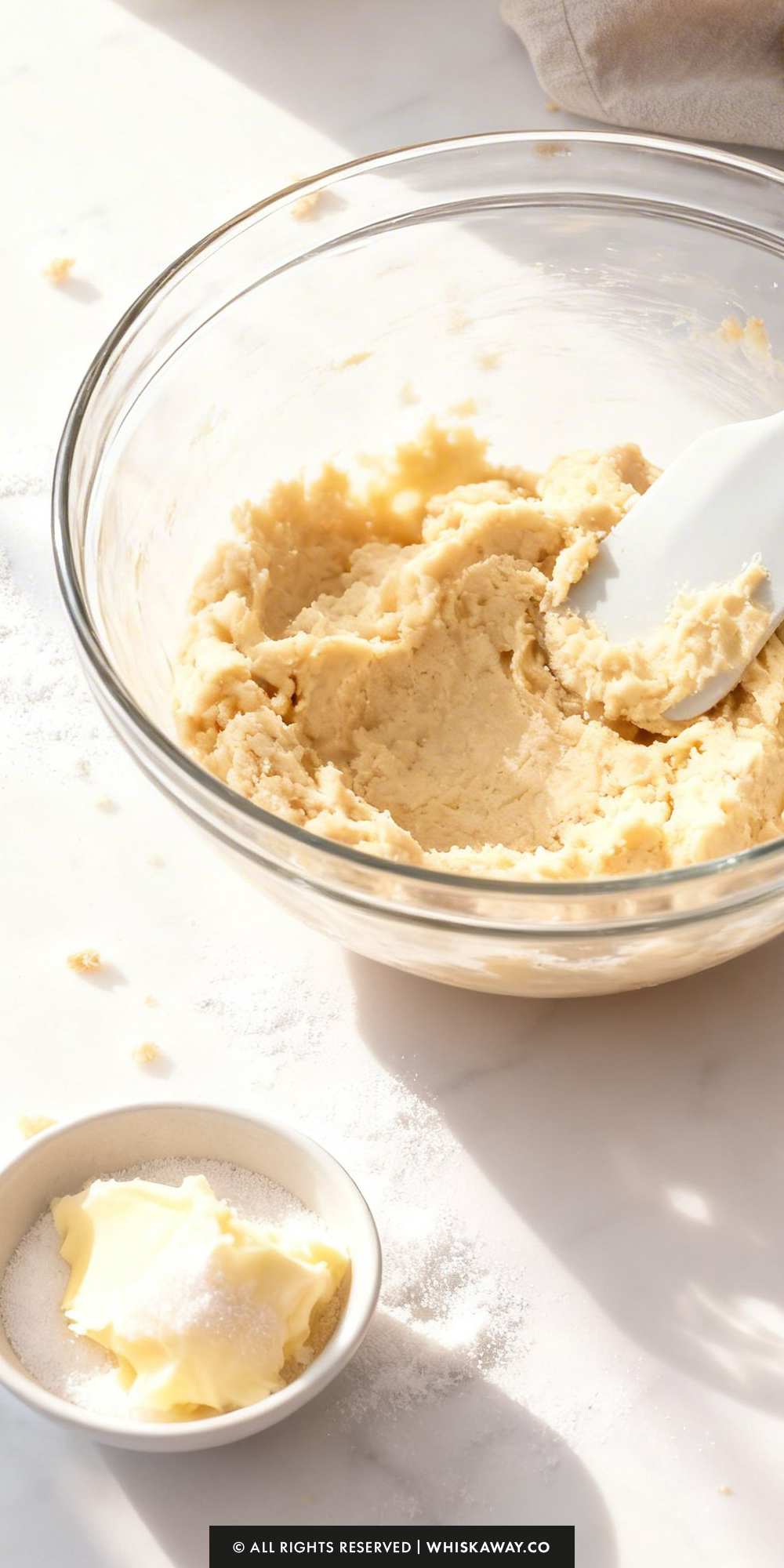
Beat the butter and vanilla until smooth and creamy.
Proper creaming incorporates air, giving the cookies a slightly lighter texture without compromising their signature crumbly nature.
Scrape down the bowl as needed to ensure even mixing.
3. Measure flour accurately
Use a spoon-and-level method for flour measurement to avoid dense cookies.
Too much flour can make shortbread dry and hard, while too little can cause them to spread excessively.
4. Chilling the dough
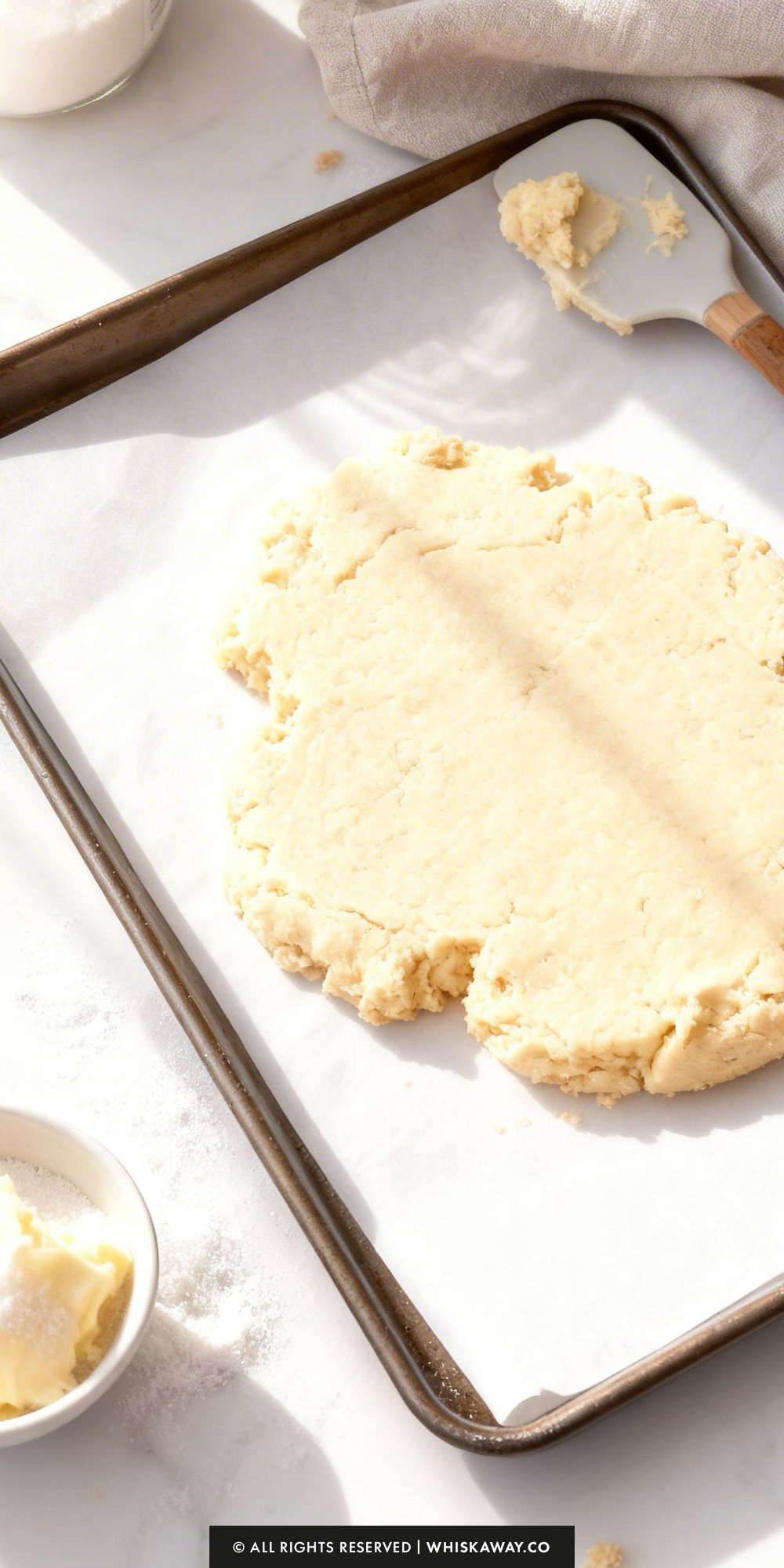
Refrigerate the dough for at least 1 hour before slicing. Chilling firms the dough, making it easier to cut and helping the cookies hold their shape during baking.
For even better results, chill up to overnight as this also allows the flavors to develop.
5. Slicing consistently
Cut slices about ½-inch thick for even baking. Use a sharp knife to avoid squishing the dough, and wipe the knife clean between cuts if needed.
Save for Later To Your Pinterest Board

6. Patterning the cookies
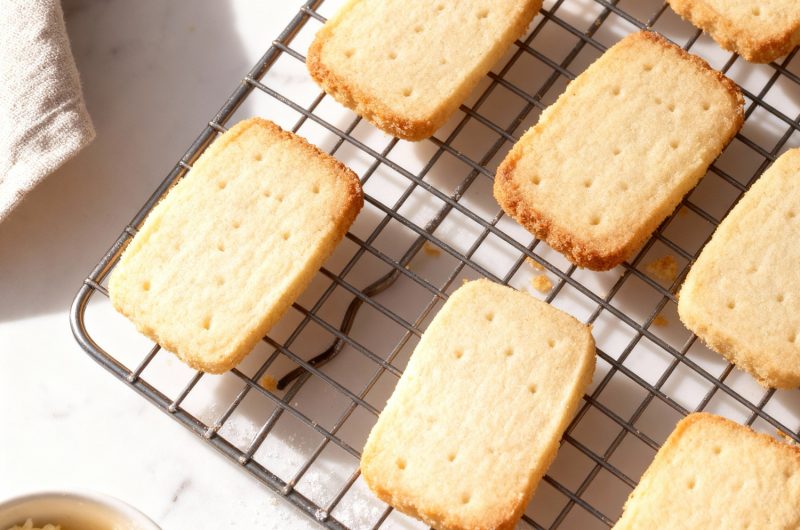
Gently press a fork or skewer into the top of each slice to create a classic pattern. Don’t press too hard, as this can flatten the cookies excessively.
7. Baking tips
Bake at 350°F (177°C) until the edges just begin to turn golden, usually around 10 minutes.
Rotate the baking sheet halfway through for even coloring.
Shortbread should remain pale and tender; overbaking will make them dry and crumbly.
8. Cooling properly
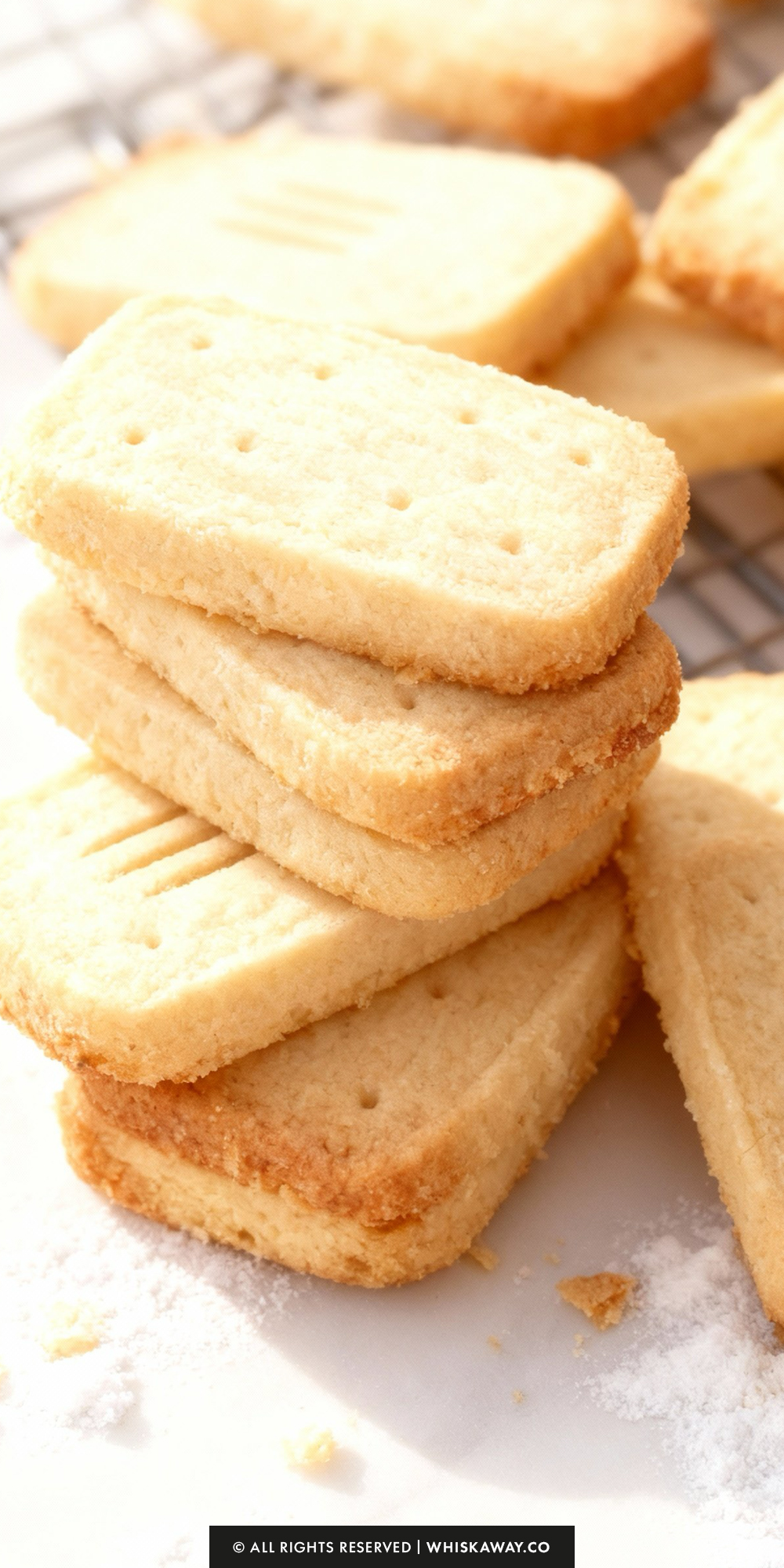
Let cookies cool completely on a wire rack before storing or serving. They will firm up slightly as they cool, achieving the classic melt-in-your-mouth texture.
Common Mistakes to Avoid
- Skipping chilling: leads to spreading or uneven slices.
- Overbaking: results in dry, hard cookies.
- Overmixing flour: can make shortbread tough.
- Using salted butter without adjusting the recipe may make cookies too salty.
Pro tip: For an extra-flavorful twist, lightly sprinkle coarse sugar or a pinch of sea salt on top of the cookies before baking. It enhances both texture and sweetness.
Storage Tips
Shortbread cookies are delicate and buttery, so proper storage is essential to keep them fresh, crisp, and flavorful.
Here’s how to maintain their perfect texture over time:
1. Room Temperature
Once fully cooled, store shortbread cookies in an airtight container at room temperature.
They will stay fresh for up to 1 week, retaining their tender, crumbly texture.
For extra protection against moisture, layer cookies with parchment paper to prevent sticking.
2. Refrigeration
Store in a sealed container in the fridge to extend freshness. Chilled cookies can last up to 2 weeks.
Allow refrigerated cookies to come to room temperature before serving for optimal texture, or warm briefly in a microwave (5–10 seconds) or oven (325°F / 165°C for 3–5 minutes).
3. Freezing Baked Cookies
Cool cookies completely before freezing. Arrange them in a single layer on a baking sheet and freeze until firm.
Transfer frozen cookies to a freezer-safe bag or container, separating layers with parchment paper.
Baked shortbread can be frozen for up to 3 months. Thaw at room temperature or warm in the oven for a few minutes before serving.
4. Freezing Cookie Dough
Wrap the dough tightly in plastic wrap and freeze as a log or block. Dough can last up to 3 months in the freezer.
Slice and bake directly from frozen, adding 1–2 extra minutes to the baking time if needed.
Common Storage Mistakes to Avoid
- Storing cookies before they are fully cooled can cause sogginess.
- Leaving cookies uncovered allows them to dry out quickly.
- Mixing soft cookies with crisp cookies in the same container can alter texture.
Pro Tip: For the freshest shortbread experience, freeze dough logs and bake small batches as needed. This ensures warm, buttery cookies anytime without compromising texture or flavor.
Variation Tips
Shortbread cookies are wonderfully versatile while maintaining their classic buttery, tender texture.
Here are some ways to mix things up, adjust flavors, or make them suitable for dietary preferences:
1. Flavor twists
Citrus zest: Add 1–2 teaspoons of finely grated lemon, lime, or orange zest to the dough for a bright, fragrant flavor.
Spices: Incorporate a pinch of cinnamon, nutmeg, cardamom, or ginger for a subtle warm spice note.
Extracts: Swap vanilla for almond, maple, or coconut extract to create unique flavor profiles.
2. Mix-ins and toppings
Chocolate: Fold in mini chocolate chips or drizzle melted chocolate over cooled cookies.
Nuts: Add finely chopped almonds, pecans, or hazelnuts for crunch.
Dried fruit: Small pieces of dried cranberries, cherries, or apricots can add chew and sweetness.
3. Texture adjustments
- For extra crumbly shortbread, slightly increase the flour by 1–2 tablespoons.
- For softer, melt-in-your-mouth cookies, chill the dough less and avoid overbaking.
4. Sweet variations
Sprinkle coarse sugar or turbinado sugar on top before baking for a sparkling finish and slight crunch.
Mix a little brown sugar into the dough for a richer, caramel-like taste.
5. Dietary-friendly swaps
- Vegan: Replace butter with a plant-based butter or coconut oil, and use a splash of non-dairy milk if needed to bring the dough together.
- Gluten–free: Substitute all-purpose flour with a 1:1 gluten-free baking flour. Consider adding 1 teaspoon cornstarch for extra tenderness.
6. Fun shapes and presentation
- Roll dough into logs and slice for traditional rectangles, or use cookie cutters for festive shapes.
- Decorate the tops with a light dusting of powdered sugar or a drizzle of white or dark chocolate after baking.
Save for Later to Your Pinterest Board
FAQs
Can I make these shortbread cookies gluten-free?
Yes! Substitute the all-purpose flour with a 1:1 gluten-free baking flour blend. Adding a teaspoon of cornstarch can help improve the texture and maintain tenderness.
Can I make these cookies vegan?
Absolutely. Use a plant-based butter or coconut oil in place of unsalted butter. Ensure the fat is solid at room temperature for proper texture. Vanilla extract is already vegan, so no other changes are needed.
How can I prevent shortbread from spreading too much?
Chilling the dough for at least 1 hour before slicing helps the cookies hold their shape. Avoid over-soft butter or overmixing the dough, which can lead to spreading.
How should I store shortbread cookies to keep them fresh?
Store completely cooled cookies in an airtight container at room temperature for up to 1 week, in the fridge for up to 2 weeks, or freeze baked cookies for up to 3 months. Layer with parchment to prevent sticking.
What are some serving ideas for shortbread cookies?
Shortbread cookies are perfect on their own or served with tea, coffee, or hot chocolate. You can also dip them in chocolate, sprinkle with powdered sugar, or pair with fresh berries or ice cream for an elegant treat.
Shortbread Cookies
16
cookies15
minutes20
minutesLooking for buttery simplicity? These shortbread cookies are crisp, rich, and perfectly melt-in-your-mouth for any occasion.
Ingredients
1 1/2 cups all-purpose flour (180g)
10 tbsp unsalted butter, at room temperature (142g)
1/2 cup confectioners' sugar
1/2 teaspoon pure vanilla extract
1/2 teaspoon kosher salt (optional)
Directions
- Cream butter and vanilla: In a stand mixer fitted with a paddle attachment, beat the softened butter and vanilla extract until smooth and creamy.
- Add sugar and salt: Mix in the confectioners’ sugar and salt until fully incorporated. Scrape down the sides of the bowl as needed to ensure even mixing.
- Incorporate the flour: Reduce the mixer speed to low and gradually add the flour. Continue mixing just until the dough comes together. Scrape the bowl once more to make sure everything is evenly combined.
- Chill the dough: Shape the dough into a rectangular block, wrap it tightly in plastic wrap, and refrigerate until firm, at least 1 hour. Chilling makes it easier to slice and helps maintain the cookie shape during baking.
- Preheat oven and slice: Preheat your oven to 350°F (177°C). Remove the dough from the fridge and use a sharp knife to cut it into ½-inch thick slices.
- Prepare for baking: Place the slices on a baking sheet lined with parchment paper or a silicone mat, spacing them at least 1 inch apart. Use a fork or skewer to gently create an indented pattern on top of each cookie.
- Bake for about 10 minutes, rotating the baking sheet halfway through for even browning. The cookies should remain pale with just a hint of golden edges.
- Transfer the cookies to a wire rack and let them cool completely before serving or storing.