Looking to elevate your biscuit game with a hint of herbaceous warmth?
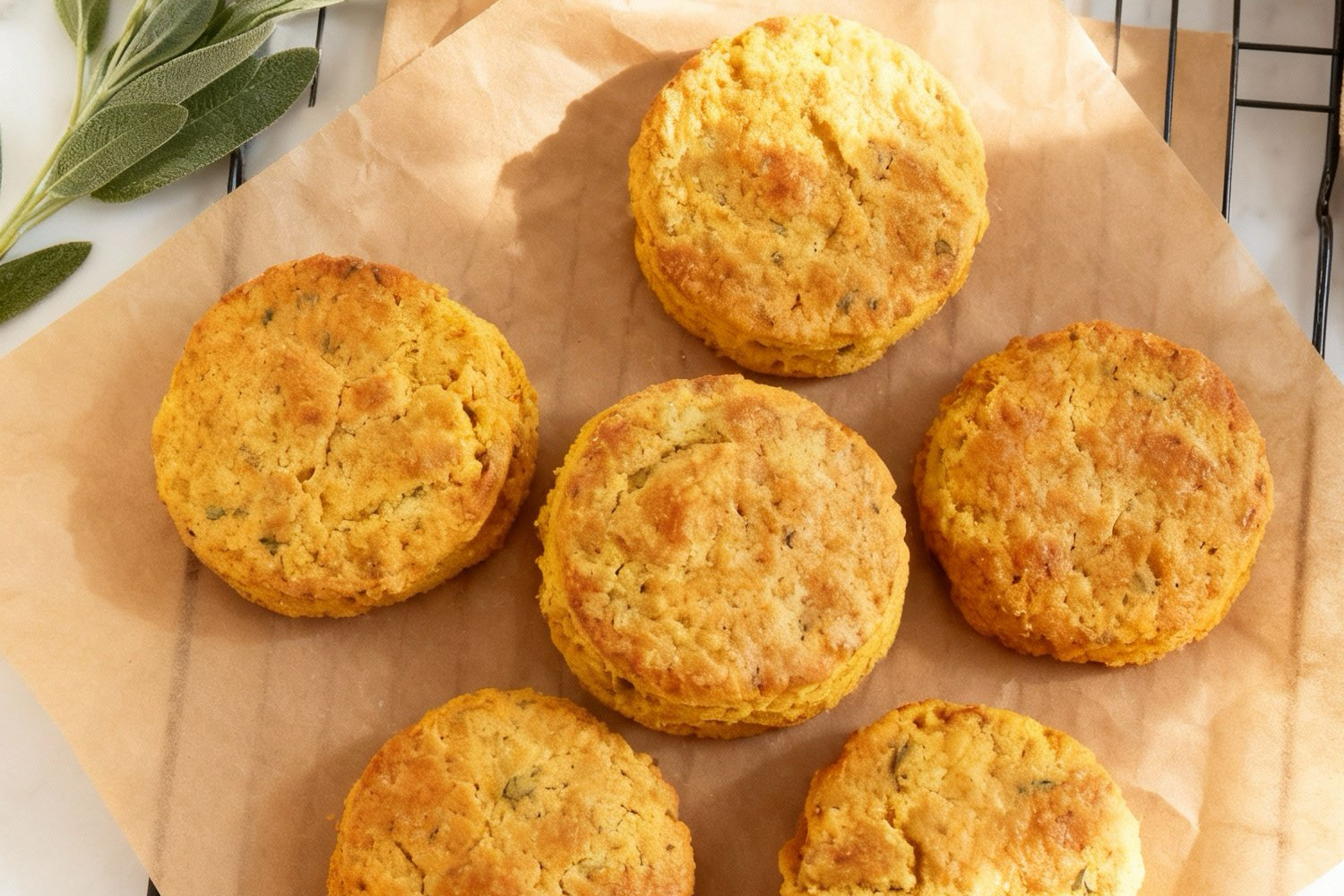
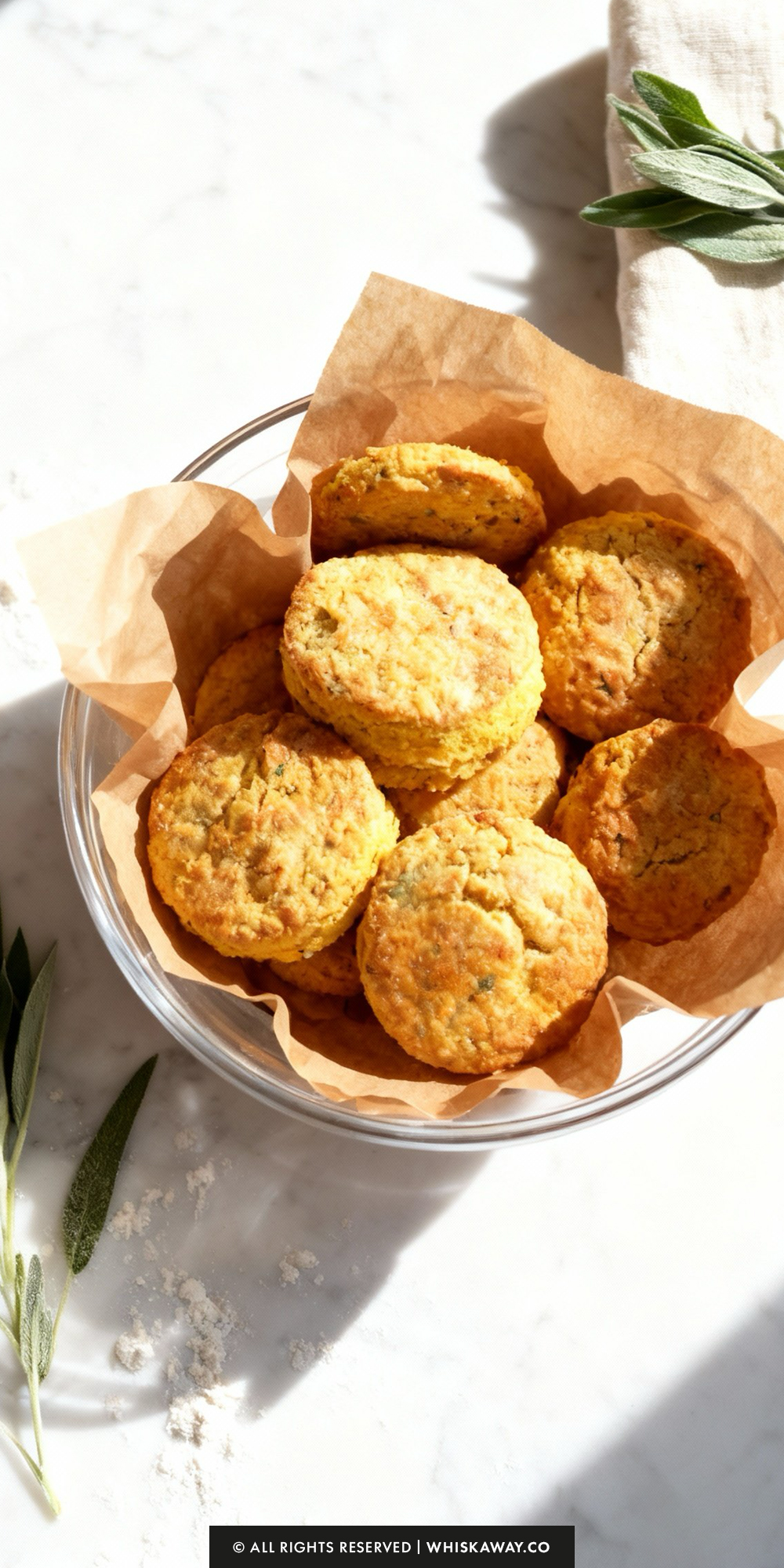
My pumpkin sage biscuits are tender, fluffy, and subtly spiced, with the earthy aroma of sage complementing sweet, pumpkin-infused dough.
These biscuits are surprisingly easy to make and are perfect as a side for hearty soups, roasted veggies or a cozy brunch.
Why You’ll Love This Recipe
Earthy sage complements sweet, warm pumpkin in these seasonal biscuits. Soft, aromatic, and slightly savory, they’re perfect for fall gatherings or pairing with hearty soups.
What Makes Them Special
- Warm, comforting pumpkin flavor
- Subtle, earthy sage
- Tender and aromatic
- Great for autumn meals or brunch
- Unique twist on classic biscuits
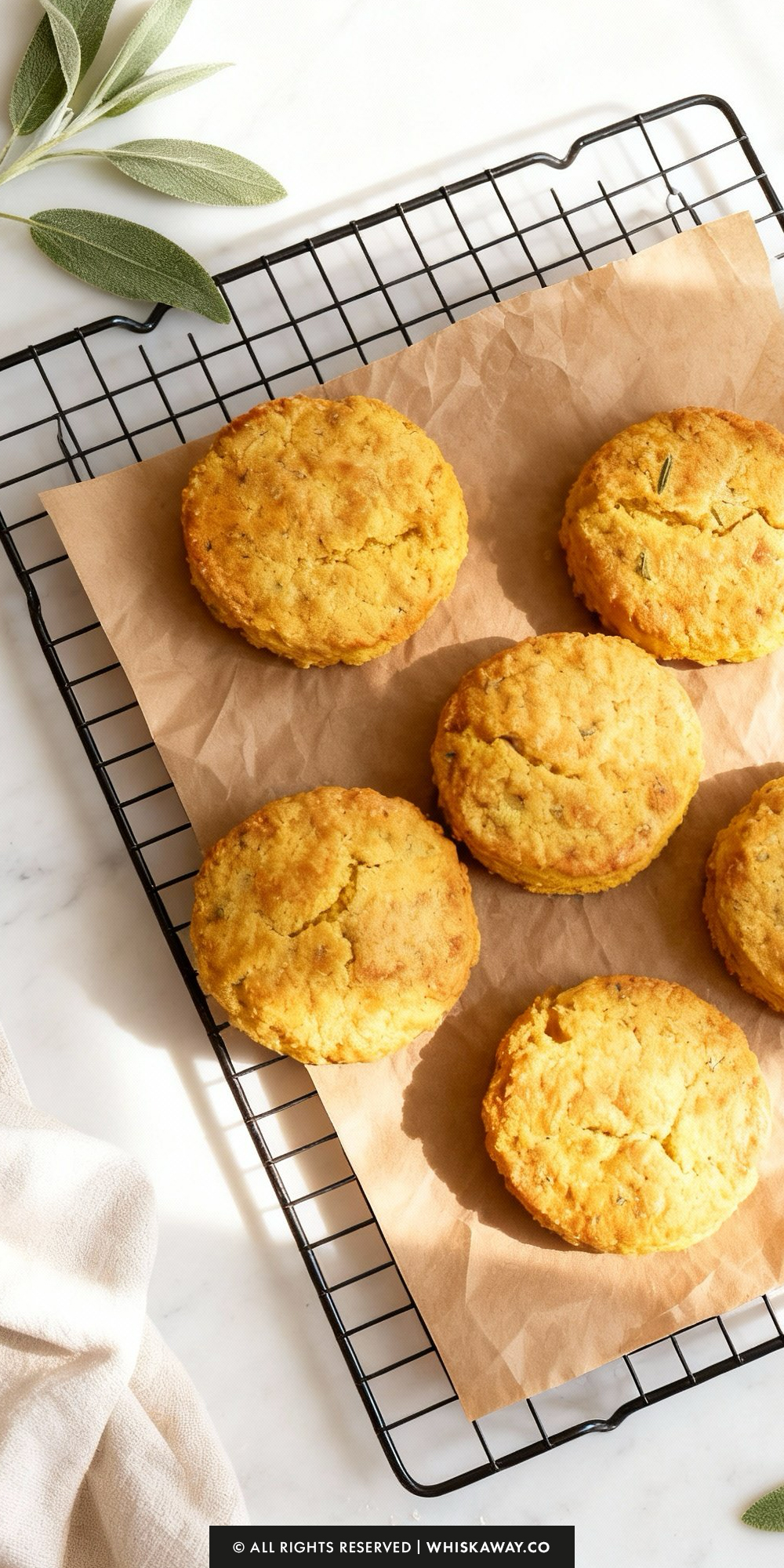
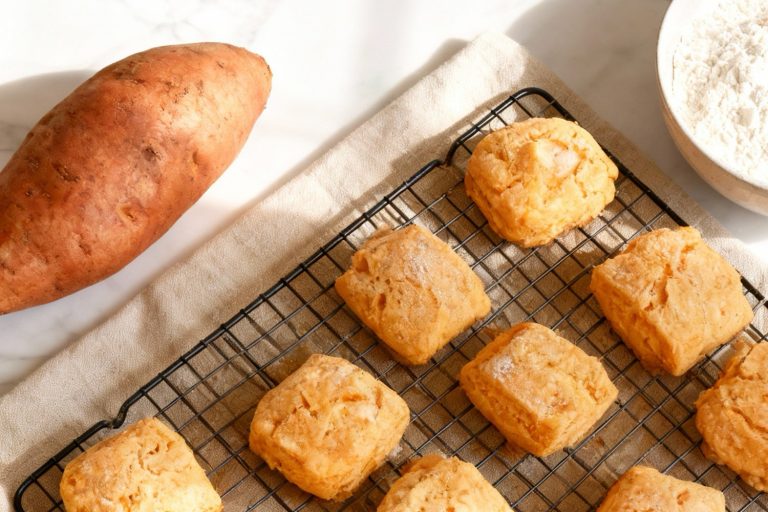
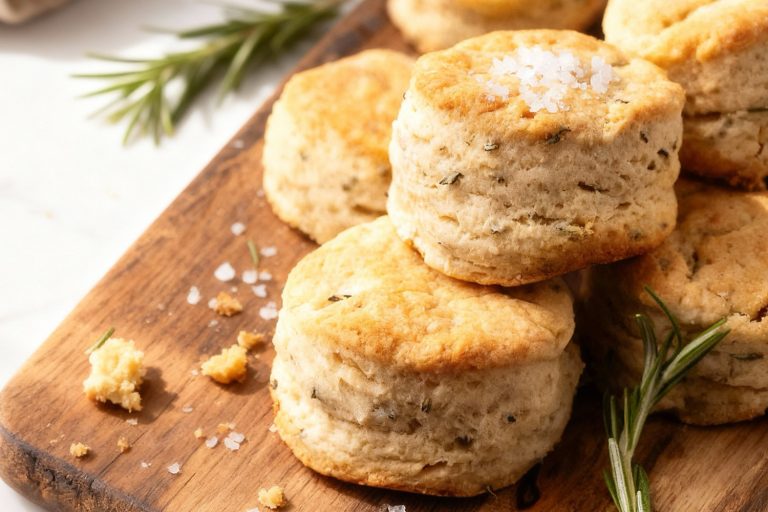
🔥 These pumpkin sage biscuits are especially cozy during the fall months. If you love seasonal flavors, sweet potato biscuits and gingerbread shortcakes are great additions to your baking list. For something savory yet simple, rosemary sea salt biscuits are another favorite.
Save This Pin To Your Pinterest Board for Later

How to Get Your Pumpkin Sage Biscuits Just Right
1. Use cold butter for flakiness
Make sure your butter is very cold when cutting it into the dry ingredients. Small, pea-sized pieces create pockets of steam while baking, resulting in tender, flaky biscuits.
Avoid letting the butter soften or melt before baking.
2. Don’t overmix the dough
Once you add the pumpkin and buttermilk, stir just until the dough comes together. Overmixing develops gluten in the flour, which can make your biscuits dense and tough instead of light and airy.
3. Knead gently
When kneading the dough, fold it only 8–10 times. Too much kneading compresses the dough and reduces rising. Gentle handling keeps the layers light and soft.
4. Thickness matters
Roll the dough to about 1-inch thickness. Thicker biscuits rise taller and have a tender, fluffy interior. If the dough is rolled too thin, the biscuits will bake quickly and may turn dry or flat.
5. Even spacing on the sheet
Place the biscuits about 1 inch apart. This allows the heat to circulate evenly so they bake uniformly.
Make sure to watch baking time. Ovens vary, so start checking biscuits at 18 minutes. They’re done when the tops are lightly golden brown and a toothpick comes out clean.
Avoid overbaking, which can dry out the biscuits.


6. Add butter while warm
Brushing melted butter over the hot biscuits immediately after baking enhances flavor, adds a soft sheen, and keeps the edges tender.
7. Optional flavor boost
For a deeper sage aroma, lightly toast the fresh sage in the butter before adding it to the dough. This releases essential oils and intensifies the herb’s flavor.
8. Serve promptly
Pumpkin biscuits are best enjoyed warm. If storing for later, reheat briefly in the oven to revive freshness and softness.
Easy Baking Tips That Have Worked for Me
When using pumpkin in biscuits, reduce the amount slightly if your puree is very wet, because too much moisture can make the dough sticky and the biscuits dense.
Mince the sage finely to distribute the flavor evenly and avoid large, overpowering bites.
Keep the butter cold and handle the dough gently to preserve flaky layers.
Slightly underbaking ensures the interior remains soft while the outside is golden.
These biscuits are especially delicious warm, paired with soups, stews, or a pat of butter.
Variation Tips
1. Cheese Additions
Fold in ½ cup shredded cheddar, Gruyère, or Parmesan for a savory, cheesy twist that pairs beautifully with the sage.
2. Nutty Crunch
Add ¼ cup finely chopped toasted pecans or walnuts to the dough for a subtle crunch and extra flavor depth.
3. Spice Variations
Enhance the fall flavor by adding ½ teaspoon cinnamon, nutmeg, or ground ginger. This works especially well for a slightly sweeter biscuit.
4. Herb Swaps
If fresh sage isn’t available, use 1 teaspoon dried sage, or try fresh thyme or rosemary for a different herbal note.
5. Gluten-Free Option
Substitute a 1:1 gluten-free all-purpose flour blend for regular flour. Be mindful the texture may be slightly denser, so handle the dough gently and avoid overmixing.
6. Dairy-Free / Vegan Option
Replace butter with chilled coconut oil or vegan butter, and swap buttermilk with a mixture of unsweetened plant-based milk plus 1 teaspoon lemon juice or apple cider vinegar.
7. Mini Biscuits
Make bite-sized biscuits for appetizers or snack trays by cutting the dough into smaller portions; reduce baking time to 12–15 minutes.
8. Sweet & Savory Twist
Drizzle a tiny bit of maple syrup or honey over warm biscuits for a delicate sweet-savory flavor that complements the pumpkin and sage.
9. Extra Moisture
Add 2–3 tablespoons of pumpkin purée or yogurt to the dough if you prefer slightly softer, more tender biscuits. Reduce slightly on buttermilk to maintain the correct dough consistency.
10. Toppings
Sprinkle coarse sea salt, additional chopped sage, or a little shredded cheese on top before baking for extra visual appeal and flavor.

How to Properly Store Your Pumpkin Sage Biscuits
1. Room Temperature
- Store fully cooled biscuits in an airtight container or a resealable bag at room temperature.
- They will stay fresh and soft for up to 2–3 days.
- Avoid leaving them exposed to air, as they can dry out quickly.
2. Refrigeration
- Refrigerate biscuits in an airtight container for up to 5–7 days.
- Before serving, reheat in a preheated oven at 350°F (175°C) for 5–7 minutes to refresh their texture. Avoid microwaving if possible, as it may make the biscuits gummy.
3. Freezing
Biscuits freeze very well, either baked or unbaked.
- Baked: Cool completely, then layer biscuits with parchment or wax paper in a freezer-safe container or zip-top bag. Freeze for up to 2 months.
- Unbaked: Shape biscuits and freeze on a tray until firm. Once solid, layer with parchment or wax paper in a freezer-safe bag.
Thaw at room temperature for 20–30 minutes before baking. This method preserves the flakiness and rise.
4. Reheating Tips
For baked biscuits, wrap in foil and warm in a 350°F (175°C) oven for 8–10 minutes.
For extra softness, brush lightly with melted butter or a bit of milk before reheating.
5. Common Storage Mistakes to Avoid
- Don’t store warm biscuits in a sealed container; condensation will make them soggy.
- Avoid stacking unprotected frozen biscuits directly on top of each other; they can stick together. Use parchment or wax paper layers.
- Don’t overfreeze baked biscuits without proper wrapping—they can absorb freezer odors and lose flavor.
Save This Pin To Your Pinterest Board for Later

FAQs
Can I substitute the all-purpose flour with a gluten-free flour?
Yes, you can use a 1:1 gluten-free baking flour blend. Be aware that the texture may be slightly more crumbly, so handle the dough gently and avoid over-kneading. Adding a small extra tablespoon of liquid can help if the dough feels too dry.
Can I replace the canned pumpkin with fresh pumpkin or sweet potato?
Yes, cooked and pureed fresh pumpkin or sweet potato works well. Make sure it is well-drained and smooth to avoid excess moisture, which can affect the dough consistency. Use the same volume as the canned pumpkin called for in the recipe.
How can I ensure my biscuits rise tall and stay fluffy?
Use cold butter and cold buttermilk to create pockets of steam during baking.
Do not overwork the dough. Fold gently to preserve flakiness.
Cut biscuits straight down without twisting the cutter to prevent sealing the edges, which can inhibit rising.
How should I store leftover biscuits, and how long do they last?
At room temperature in an airtight container: 2–3 days.
Refrigerated: 5–7 days.
Frozen: Up to 2 months (baked or unbaked). Reheat baked biscuits in a 350°F oven for 8–10 minutes to restore softness.
What are some serving suggestions for these biscuits?
Serve warm with butter, honey, or a drizzle of maple syrup.
They pair beautifully with soups, roasted meats, or a fall-inspired brunch spread.
For a savory twist, top with extra fresh sage, a sprinkle of cheese, or a dollop of herbed cream cheese.
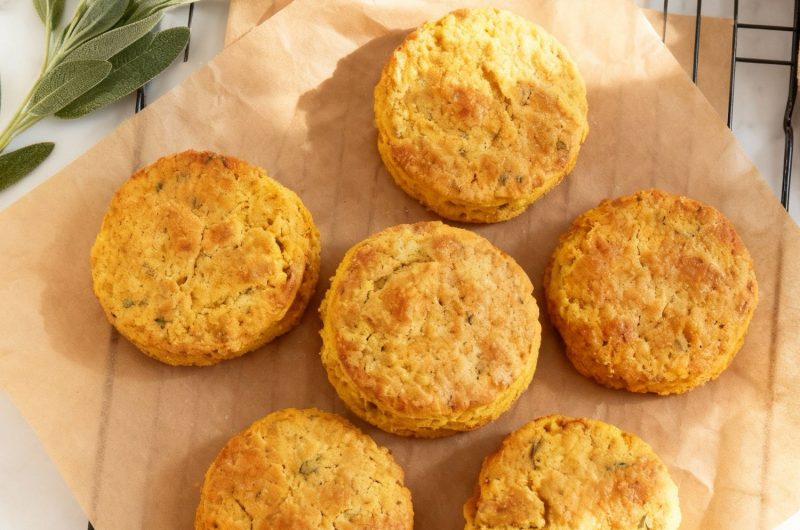
Pumpkin Sage Biscuits
20
biscuits25
minutes20
minutesThese pumpkin sage biscuits are tender, flavorful, and perfect alongside soups or salads.
Ingredients
1 3/4 cups all-purpose flour
3/4 cup canned pumpkin
1/3 cup buttermilk
1/2 cup plus 1 1/2 teaspoons cold butter, divided
1/4 cup packed light brown sugar
2 1/2 teaspoons finely chopped fresh sage leaves
2 1/2 teaspoons baking powder
1/2 teaspoon salt
1/2 teaspoon garlic powder
1/4 teaspoon black pepper
1/4 teaspoon baking soda
Directions
- Heat your oven to 425°F (220°C). Line a baking sheet with parchment paper or a silicone baking mat and set aside.
- In a large mixing bowl, combine the flour, brown sugar, baking powder, salt, black pepper, garlic powder, baking soda, and finely chopped sage. Stir until evenly distributed.
- Add 1/2 cup of cold butter to the dry ingredients. Use a pastry cutter, two knives, or your hands to cut the butter in until the mixture resembles coarse crumbs.
- Stir in the pumpkin and buttermilk until the dough just comes together. Avoid overmixing to keep the biscuits tender.
- Turn the dough onto a lightly floured surface. Gently knead it 8–10 times, then roll it out to about 1-inch thickness.
- Use a round biscuit cutter (2–2 1/2 inches in diameter) to cut the dough into individual biscuits. Gather scraps, re-roll, and cut additional biscuits as needed.
- Place the biscuits on the prepared baking sheet, spacing them about 1 inch apart.
- Bake for 18–22 minutes, or until the tops are lightly golden brown and a toothpick inserted in the center comes out clean.
- Melt the remaining 1 1/2 teaspoons of butter and brush it over the warm biscuits before serving. Enjoy immediately.