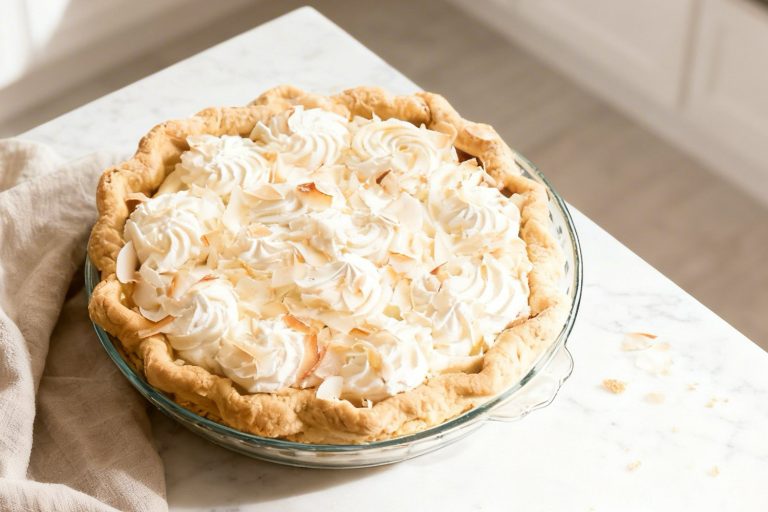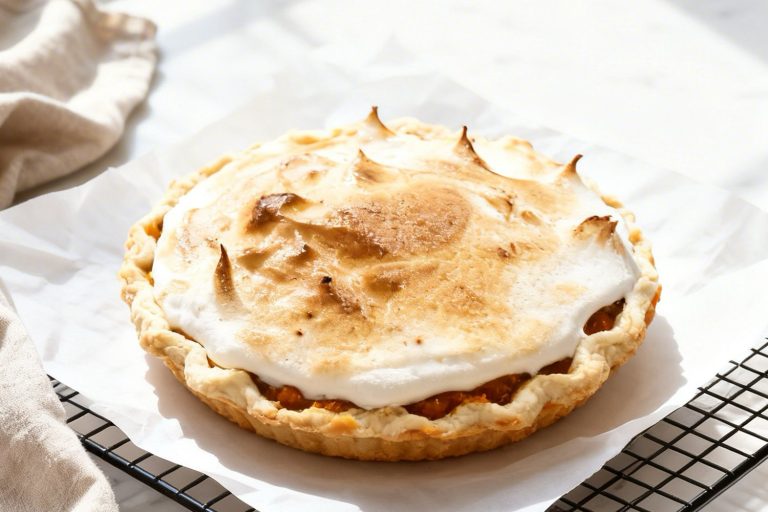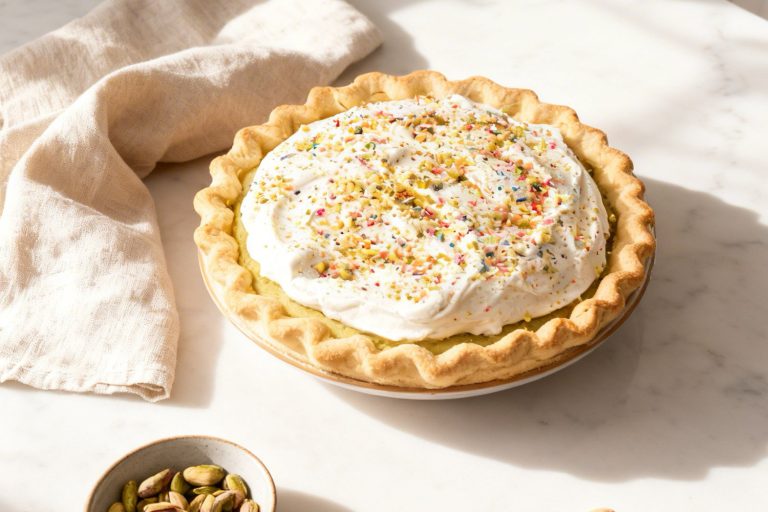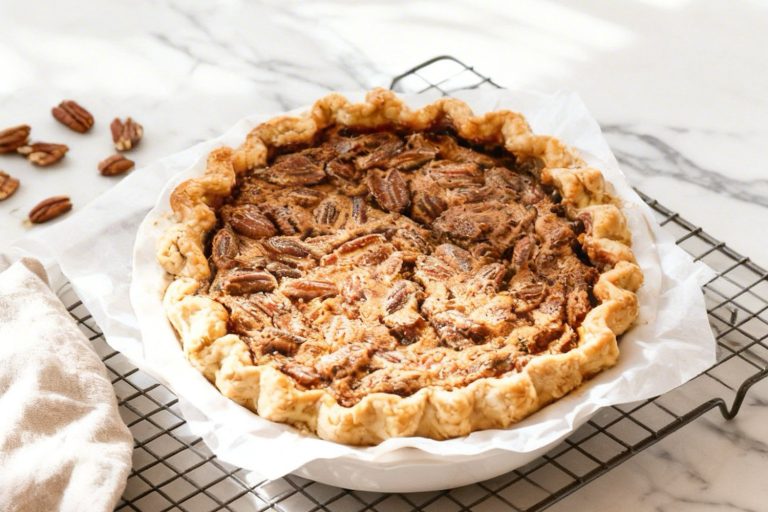
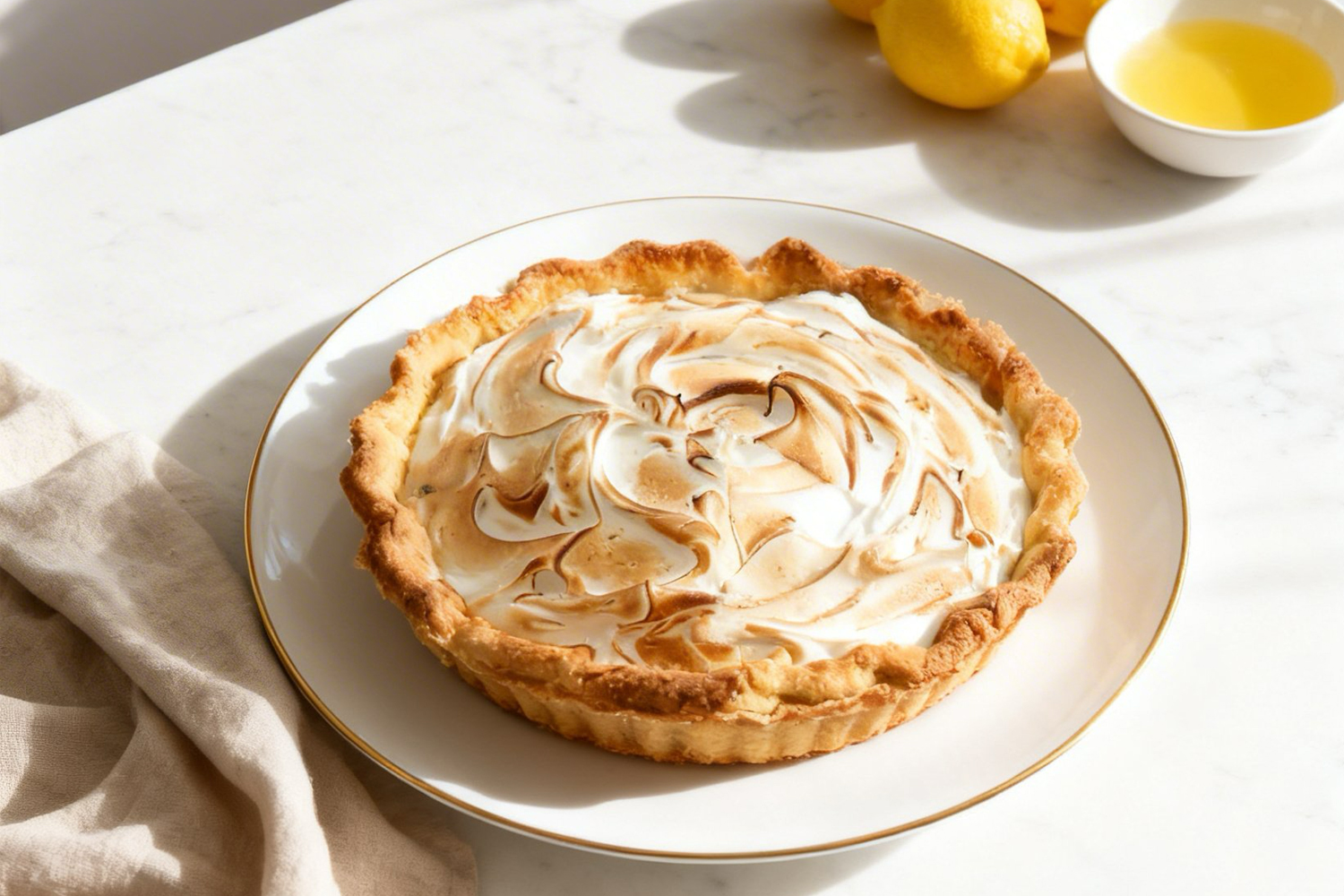
Looking for a dessert that’s tangy, sweet, and fluffy all at once?
Then you have to bake this lemon meringue pie that combines zesty lemon filling with a crisp crust and a cloud of toasted meringue.
Each bite delivers a perfect balance of tart and sweet, with a light, airy texture that feels refreshing yet indulgent.
I can guarantee you that the end result is visually stunning and deeply satisfying.
Perfect for summer gatherings, brunch, or anytime you want a dessert that’s both elegant and flavorful.
Why You’ll Love This Recipe
The contrast between sharp lemon curd and airy meringue defines this classic.
What Makes Them Special
- Thick lemon curd prevents a runny base
- Toasted meringue adds texture and sweetness
- Balanced acid-to-sugar ratio
- Distinct layered structure
- Visually dramatic presentation
Save This Pin for Later to Your Pinterest Board
🔥 For bright citrus desserts with a smooth, balanced filling, try exploring these as well:
How to Get Your Lemon Meringue Pie Just Right
Lemon Meringue Pie is often considered the final boss of home baking because it requires balancing a moisture-heavy curd with a delicate foam.
This specific method uses a Swiss Meringue, which is much more stable than traditional versions, but the details still matter.
1. Master the Lemon Curd
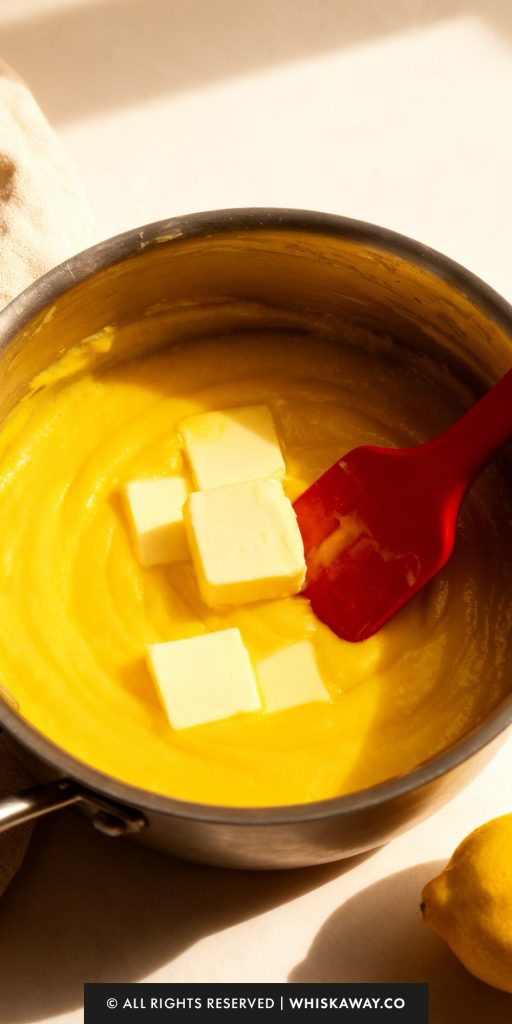
When cooking the curd, it will suddenly go from a liquid to a thick, lumpy consistency. This is normal!
Switch from a whisk to a silicone spatula at this moment to scrape the bottom and sides vigorously.
This ensures the cornstarch is evenly distributed and doesn’t scorch.
Even the best whisking can leave tiny fragments of cooked egg yolk.
Straining the curd through a fine-mesh sieve is the difference between a “good” pie and a luxury pie.
Never use bottled lemon juice for this recipe. The acidity levels are different, and the flavor can be metallic.
Since you need the zest anyway, use Meyer lemons for a sweeter, floral note, or Eureka lemons for a classic sharp tang.
2. Achieve Meringue Perfection
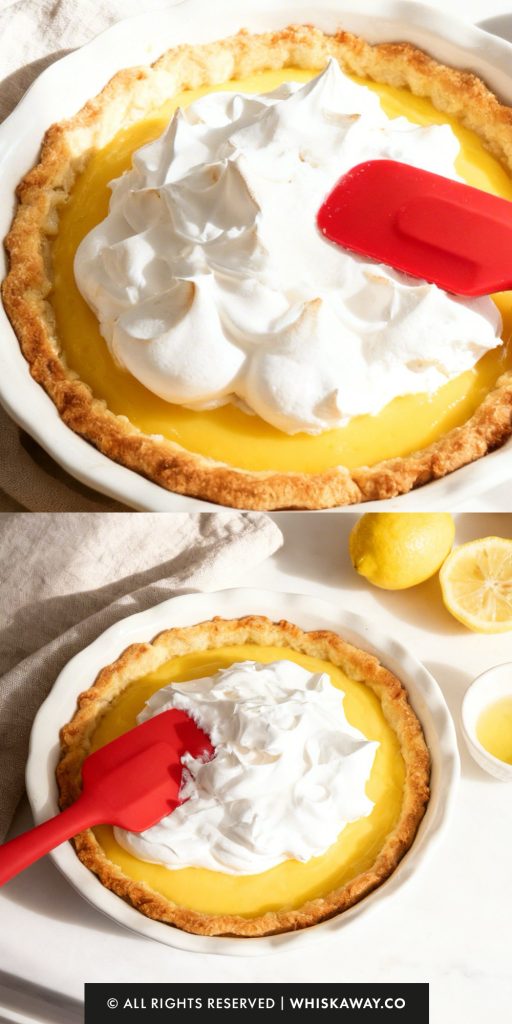
When spreading the meringue, make sure it physically touches the pastry crust all the way around the edge.
This anchors the meringue, preventing it from shrinking or sliding off the slippery lemon curd as it sits.
Before starting your meringue, wipe your mixing bowl and whisk attachment with a paper towel dipped in lemon juice or vinegar.
This removes any trace of grease or fat, which is the #1 reason egg whites fail to whip into stiff peaks.
When heating the whites over the simmering water, rub a bit of the mixture between your thumb and forefinger.
If you feel any grit, keep whisking over the heat. If the sugar isn’t 100% dissolved, your meringue will weep (leak sugary syrup) later.
3. Common Mistakes to Avoid
The Broiler Distraction: If you choose to toast the meringue in the oven rather than with a torch, do not walk away.
The high sugar content in the meringue causes it to brown, and then burn, within seconds.
Slicing Too Early: If you cut into the pie before the lemon curd has had a full 4-hour chill, the filling will slump out like a sauce.
The cornstarch bonds need that cold time to become rigid enough for a clean slice.
Over-Whisking the Meringue: Once you reach stiff, glossy peaks, stop!
If you keep whipping, the proteins will over-stretch and the meringue will become “clumpy” and lose its beautiful shine.
4. Timing & Serving Advice
A meringue is essentially a sugar sponge. If it’s a very humid or rainy day, the meringue may become sticky or bead more quickly.
It’s best to make the meringue as close to serving time as possible on humid days.
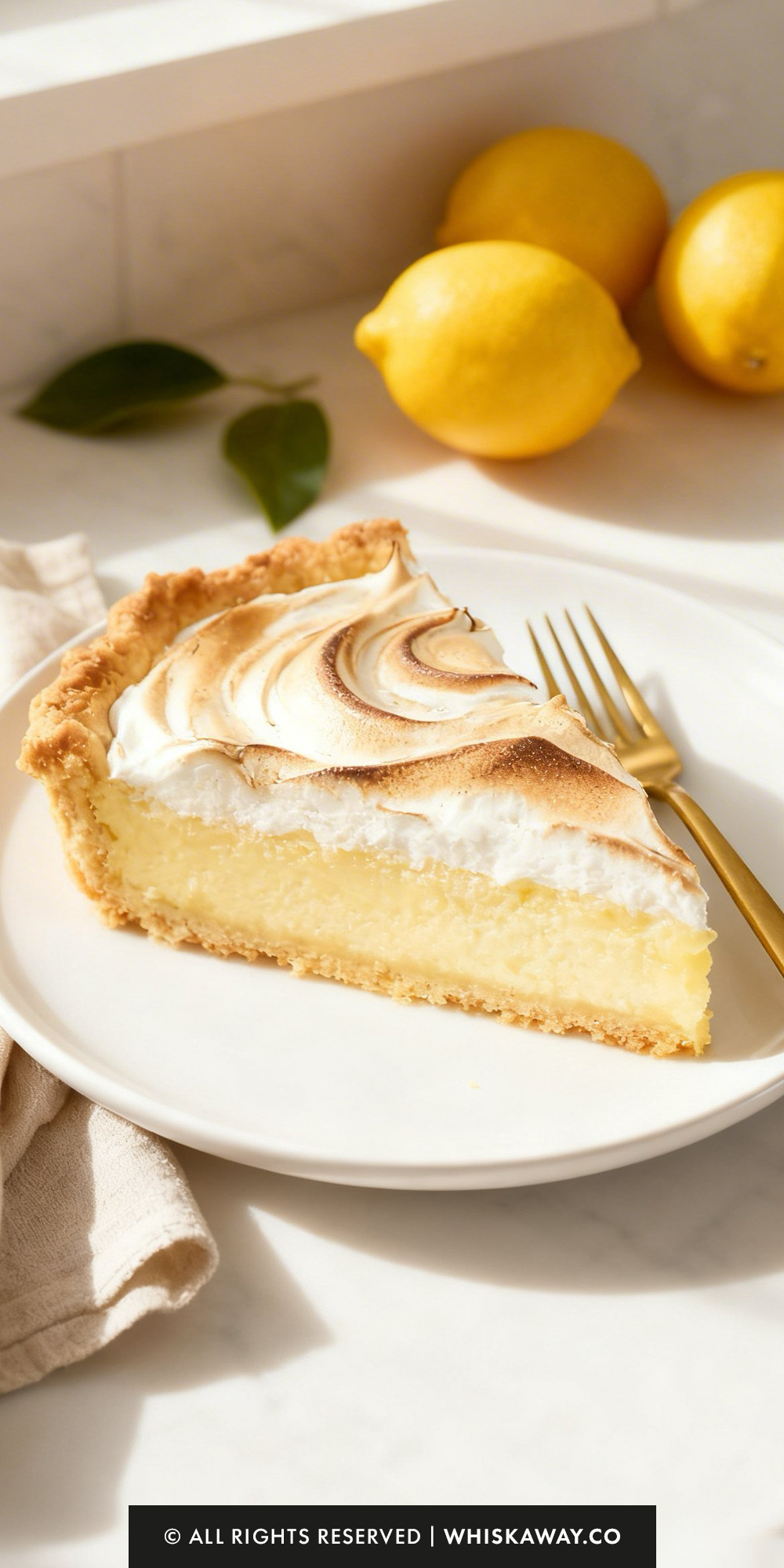
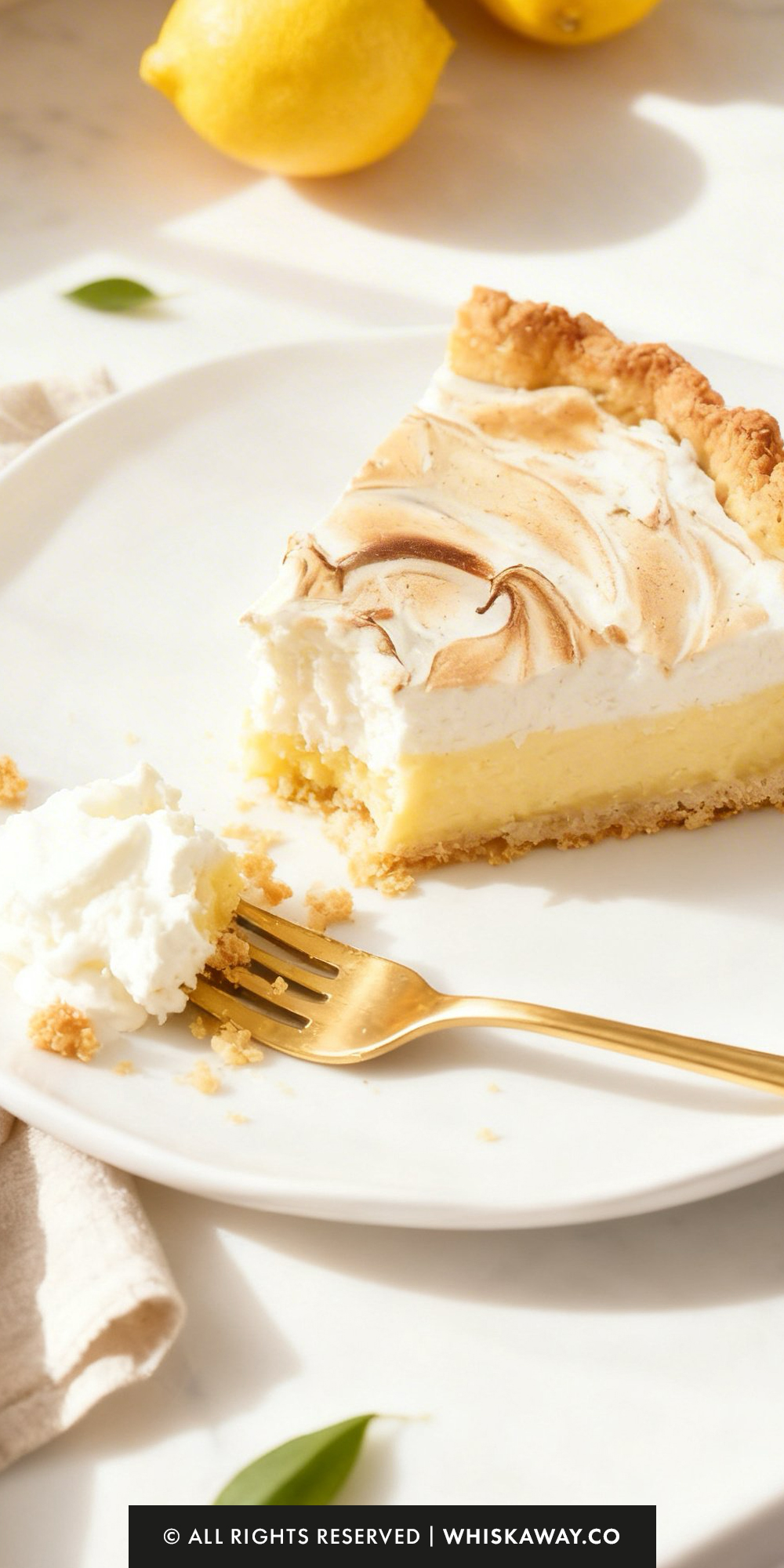
To get those perfect, sharp slices you see in photos, dip your knife in hot water and wipe it clean between every single cut.
This prevents the sticky meringue from pulling at the lemon curd.
Baking Tips for This Recipe
- Spread meringue onto hot filling to prevent weeping.
- Seal meringue to crust edges to avoid shrinking.
- Use room-temperature egg whites for better volume.
- Toast just until golden — overbrowning causes bitterness.
Variation Tips
The Lemon Meringue Pie is a beloved staple, but its bright, acidic nature makes it an excellent candidate for creative adjustments.
Whether you want to experiment with different citrus fruits or add a modern twist to the meringue, these ideas can elevate your baking.
1. The Tropical Trio (Lime, Lemon, & Passion Fruit)
If you want to lean into a more exotic flavor profile:
Replace half of the lemon juice with fresh lime juice and add 2 tablespoons of passion fruit pulp to the finished curd.
This creates a more complex acidity that feels incredibly fresh and vibrant.
2. The Earl Grey Infusion
For a sophisticated, floral undertone:
While heating the water for the curd, steep 2 Earl Grey tea bags in it for 5 minutes before whisking in the sugar and cornstarch.
The bergamot in the tea complements the lemon perfectly, adding a subtle “tea party” elegance to the dessert.
3. The Pink Lemonade Pie
To give the pie a playful look and a berry-forward finish:
Whisk 1 tablespoon of raspberry or pomegranate juice into the curd for a natural pink tint.
Top the toasted meringue with a few fresh raspberries or dehydrated strawberry powder.
4. Crust & Texture Alternatives
The Gingersnap Crust: For a spicy contrast to the tart lemon, replace the traditional pastry with a Gingersnap cookie crust.
The heat from the ginger cuts through the sweetness of the meringue beautifully.
The Graham Cracker Key West Style: If you prefer a crunchier, honey-forward base, use a thick Graham cracker crust. It provides a sturdy foundation for the heavy meringue.
5. Dietary Adaptations
Gluten-Free:
The lemon filling is naturally gluten-free as it is thickened with cornstarch. Simply use a gluten-free pie crust (purchased or homemade using a 1:1 GF flour blend).
Dairy-Free:
Replace the salted butter with a high-quality vegan butter stick or refined coconut oil.
Since the rich texture primarily comes from the egg yolks, you won’t lose that signature creaminess.
Lower Sugar:
While meringue requires sugar for structural stability, you can reduce the sugar in the lemon curd by up to 1/4 cup. Rely on very fresh, ripe lemons to ensure the flavor remains bold.
6. Creative Meringue Ideas
Citrus-Scented Meringue: Add 1/2 teaspoon of lemon extract or a pinch of finely grated lemon zest directly into the egg whites while whipping for an extra aromatic punch.
The Toasted Coconut Topping: Before toasting the meringue with your torch, sprinkle a few unsweetened coconut flakes over the peaks.
The torch will toast the coconut and the meringue simultaneously, adding a lovely crunch.
How to Properly Store Your Lemon Meringue Pie
Storing a Lemon Meringue Pie is notoriously tricky because meringue is essentially a sweetened cloud of air that is highly sensitive to moisture.
While the Swiss Meringue used in this recipe is more stable than others, it still requires specific care to prevent it from weeping or becoming sticky.
1. Refrigeration (Best for Stability)
Duration: 1 to 2 days.
Once the pie is toasted and finished, it must be kept in the refrigerator.
The lemon curd needs the cold to maintain its structure, and the egg whites in the meringue are perishable.
Do not cover this pie with plastic wrap. The wrap will trap moisture, causing the meringue to dissolve into a sugary syrup (weeping).
Instead, store it in a deep pie carrier or place it in the fridge uncovered.
If you must cover it, use a large bowl inverted over the pie to create a dome that doesn’t touch the peaks.
2. Room Temperature (Service Only)
You can leave the pie out for 2 hours during a meal. Any longer, and the meringue may start to sag, and the food safety of the egg-rich curd becomes a concern.
3. Freezing (Not Recommended)
Avoid freezing a completed Lemon Meringue Pie.
While you can freeze the blind-baked crust (up to 2 months), the lemon curd can become grainy upon thawing, and the meringue will completely collapse and become a rubbery, weeping mess.
4. Protecting the Meringue from “Weeping”
Weeping is the term for when a layer of moisture forms between the lemon curd and the meringue, or when beads of syrup form on top.
As mentioned in the tips, spreading the meringue so it touches the crust is your best defense. This prevents the edges from pulling away and releasing moisture.
If possible, store the pie in the back of the refrigerator where the temperature is most consistent. Avoid placing it near the door where warm air hits it every time the fridge is opened.
5. Storage Mistakes to Avoid
The Plastic Wrap Trap: Placing plastic wrap directly on top of meringue is the fastest way to ruin your hard work. It will stick to the peaks and pull them off when you try to remove it.
Reheating: Never put this pie in the microwave or oven once it has been chilled.
The heat will instantly melt the air bubbles in the meringue, leaving you with a flat, sticky topping and a liquid filling.
Storing While Warm: Ensure the lemon curd has been refrigerated for the full 4 hours before you even add the meringue.
If you put cold meringue on warm curd, the temperature difference will cause immediate condensation and weeping.
FAQs
Why did my meringue weep or leak liquid onto the lemon curd?
Weeping usually happens for two reasons: either the sugar in the meringue didn’t fully dissolve during the heating phase, or the pie was exposed to high humidity. To prevent this, ensure the egg white and sugar mixture feels completely smooth (no grit) between your fingers before whipping, and always “anchor” the meringue by spreading it all the way to the pastry edges.
Can I use bottled lemon juice if I’m in a hurry?
It is strongly discouraged. Bottled juice lacks the bright, floral oils found in fresh lemons and often has a muted, metallic aftertaste. Furthermore, the fresh lemon zest called for in the recipe is what provides the deep “aromatic” lemon flavor that juice alone cannot achieve.
My lemon filling is cloudy or has white streaks—is it still good?
Yes! Cloudiness is normal due to the cornstarch and egg yolks. However, white streaks usually mean the egg yolks weren’t fully whisked into the sugar/cornstarch mixture before heating, or the heat was too high, causing bits of egg to cook. This is why pouring the filling through a mesh strainer is a vital step—it catches those bits and ensures a professional, silky curd.
How do I know when the meringue has reached stiff peaks?
When you stop the mixer and lift the whisk attachment, the meringue should stand straight up in a sharp point. If the tip of the peak curls over like a “dairy queen” swirl, it’s only at medium peaks and needs another minute of whipping. Stiff peaks are essential for the meringue to hold those beautiful toasted swirls.
Can I bake the meringue in the oven instead of using a torch?
Absolutely. If you don’t have a kitchen torch, put the pie under the oven broiler for 1–3 minutes. However, you must stay focused and watch it the entire time. Meringue goes from perfectly toasted to burnt very quickly. For the best result, keep the oven door slightly ajar so you can see the color change in real-time.
Lemon Meringue Pie
12
Slices20
minutes50
minutes5
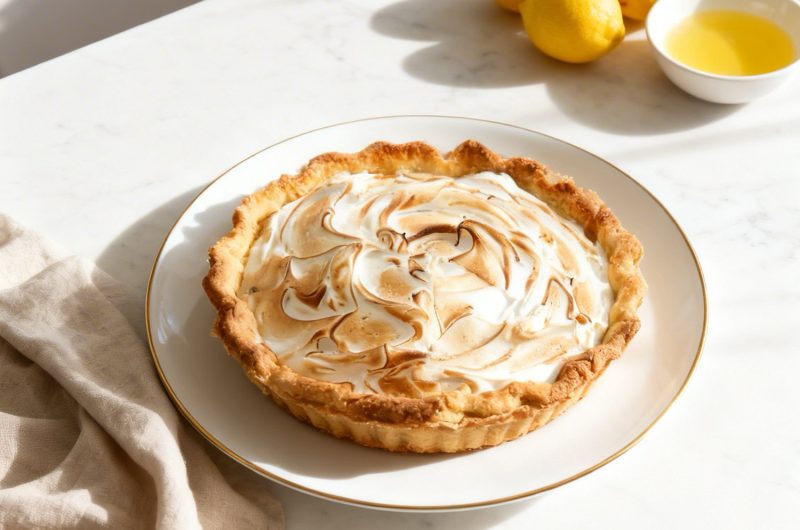
hrsThis lemon meringue pie is tart, sweet, and topped with fluffy, golden meringue.
Ingredients
- For the Lemon Filling
1 ¼ cup (283 grams) water
1 cup (200 grams) granulated sugar
½ cup (112 grams) freshly squeezed lemon juice (2-3 lemons)
5 large egg yolks
3 tablespoons (42 grams) salted butter
¼ cup (28 grams) cornstarch
1 tablespoon lemon zest
1 single homemade pie crust
- For the Meringue Topping
1 cup (200 grams) granulated sugar
5 large egg whites
1 teaspoon vanilla extract
¼ teaspoon cream of tartar
A pinch of salt
Directions
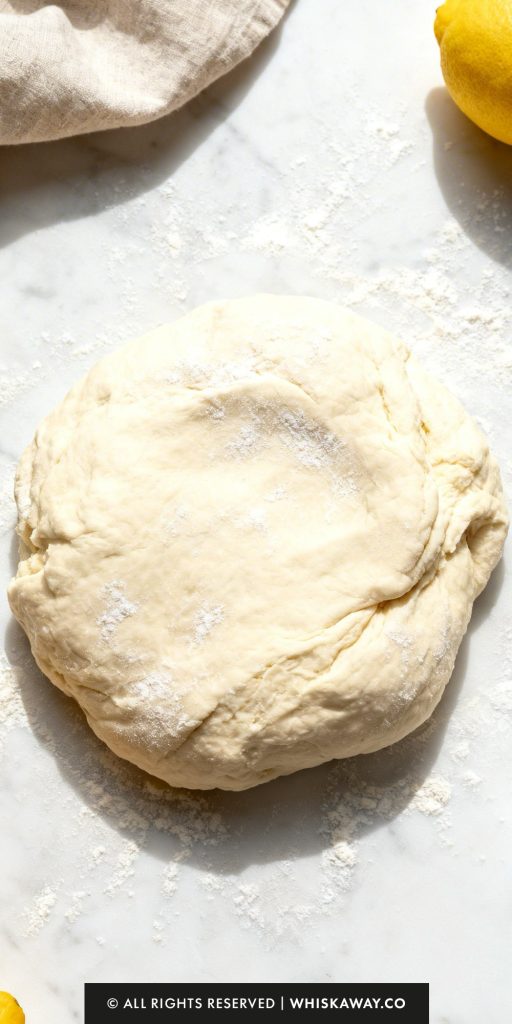
- Roll your dough into a 13-inch circle and drape it into your pie pan. After crimping the edges and pricking the bottom with a fork, let it rest in the freezer for 30 minutes. Meanwhile, heat your oven to 425°F.
- Line the cold crust with greased foil and fill it to the brim with weights (beans or rice work great). Bake for 20 minutes, then remove the weights and bake for another 5–10 minutes until the pastry looks dry and golden. If the bottom puffs up, gently flatten it with a spoon while it's still hot.
- You can bake this up to two days early—just keep it covered at room temperature.
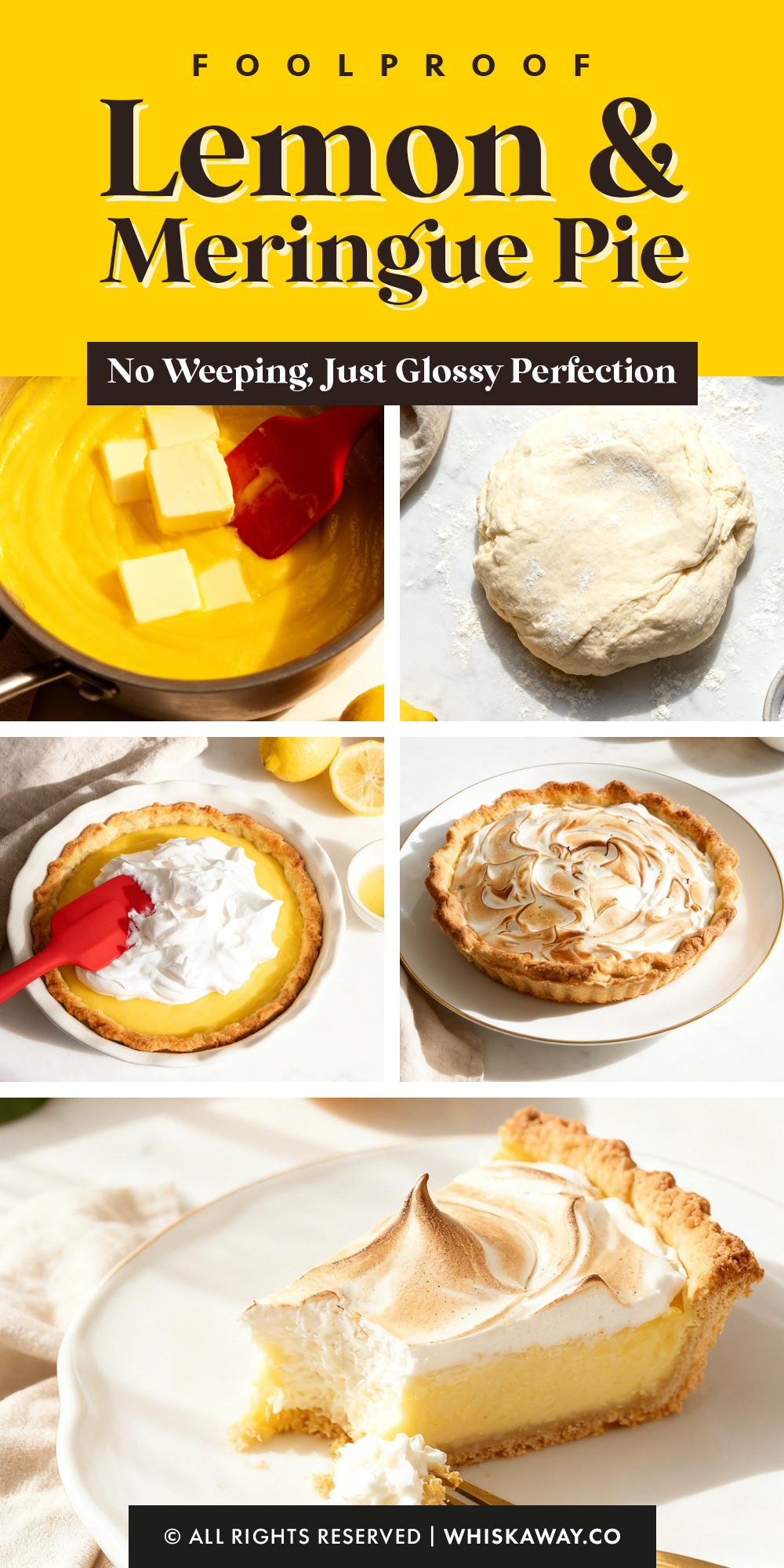
- In a saucepan, whisk the sugar and cornstarch together. Stir in the water followed by the egg yolks, whisking until the mixture is completely uniform.
- Place over medium-high heat, stirring constantly until it reaches a boil. Once it bubbles, drop the heat to medium and switch to a spatula. Simmer for about 5 minutes. Don't worry if it looks lumpy at first; keep stirring and it will smooth out into a thick pudding.
- Pull the pan off the heat and stir in the butter until melted. For a silky texture, press the mixture through a fine-mesh sieve into a bowl. Finally, fold in the lemon zest and fresh lemon juice.
- Pour the warm filling into your prepared crust. Refrigerate for at least 4 hours (overnight is even better) to let the curd set firmly.
- Set your stand mixer bowl over a pot of simmering water (don't let the bowl touch the water). Whisk the egg whites, sugar, cream of tartar, and salt until the mixture reaches 160°F and the sugar granules have completely dissolved.
- Move the bowl to the mixer. Add the vanilla and whisk on medium-high speed until the meringue is thick, glossy, and forms stiff peaks that stand straight up when you lift the whisk.
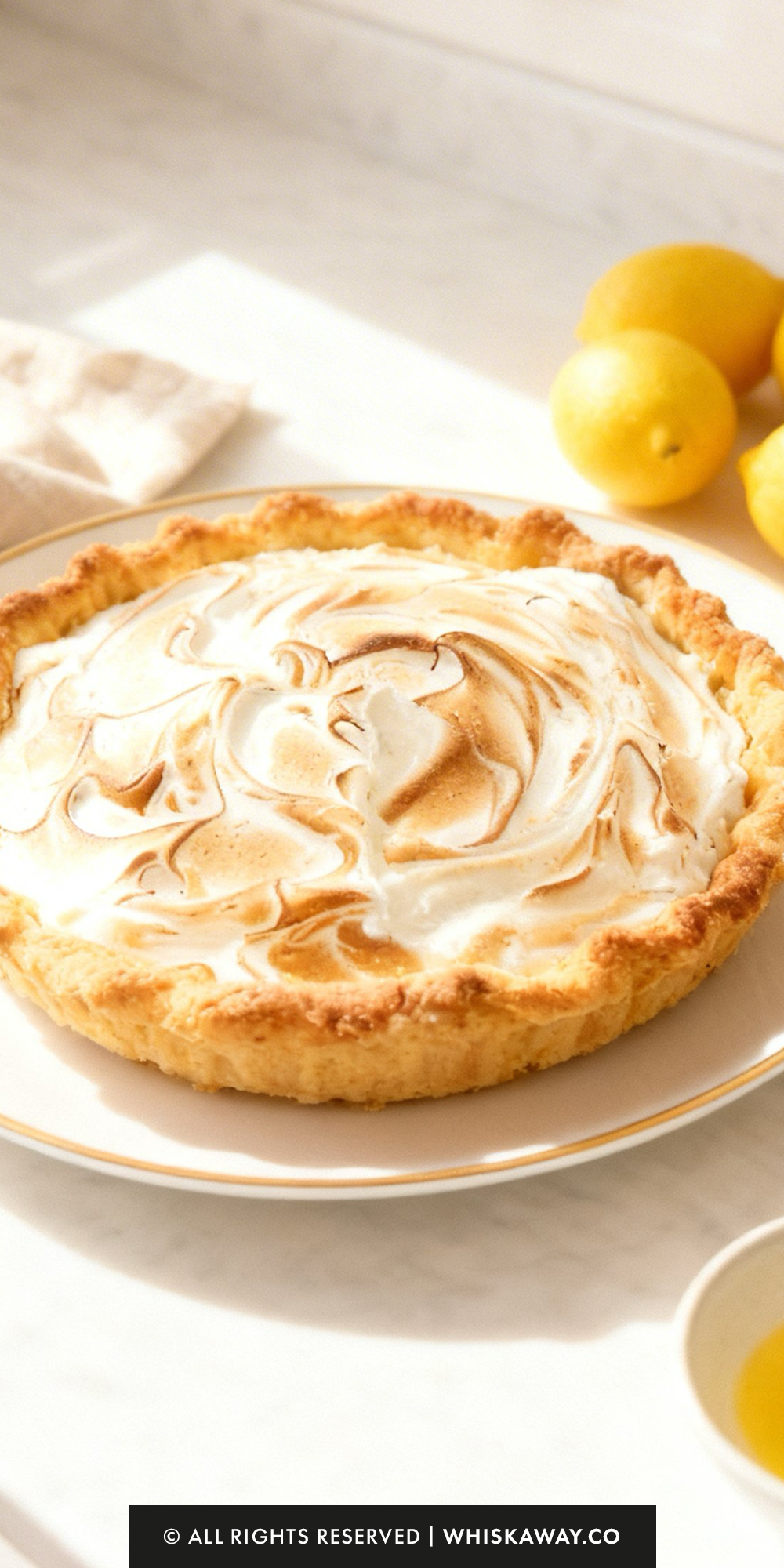
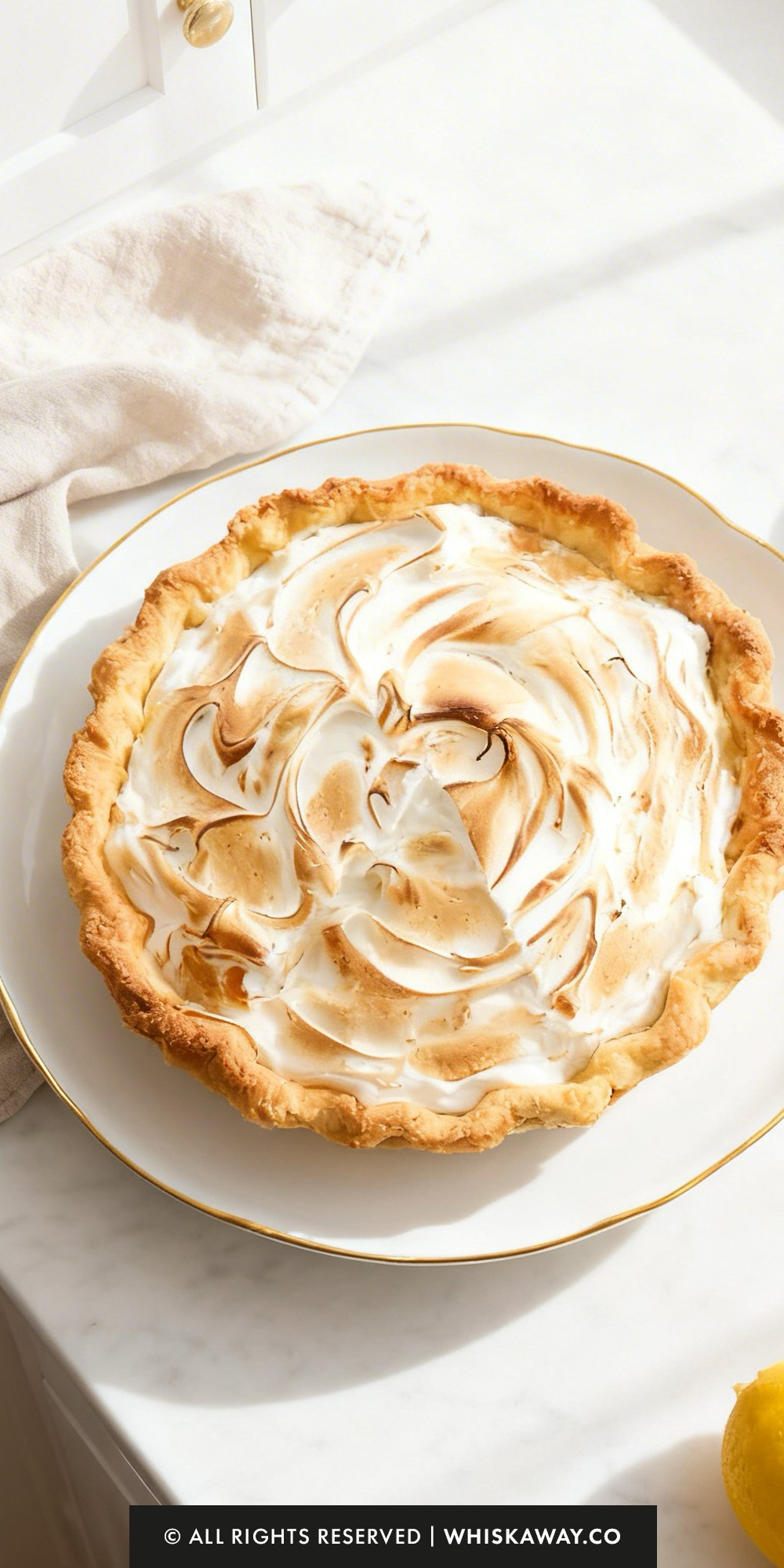
- Spread the meringue over the cold pie, ensuring you "anchor" it by spreading it all the way to the crust edges. Create decorative swirls with the back of a spoon.
- Use a kitchen torch to brown the peaks of the meringue, or pop the pie under the broiler for 1–3 minutes. If using the broiler, do not take your eyes off it—it can go from golden to burnt in seconds!
- This pie is best enjoyed within 6 hours of topping. If you aren't serving it immediately, keep it in the fridge.