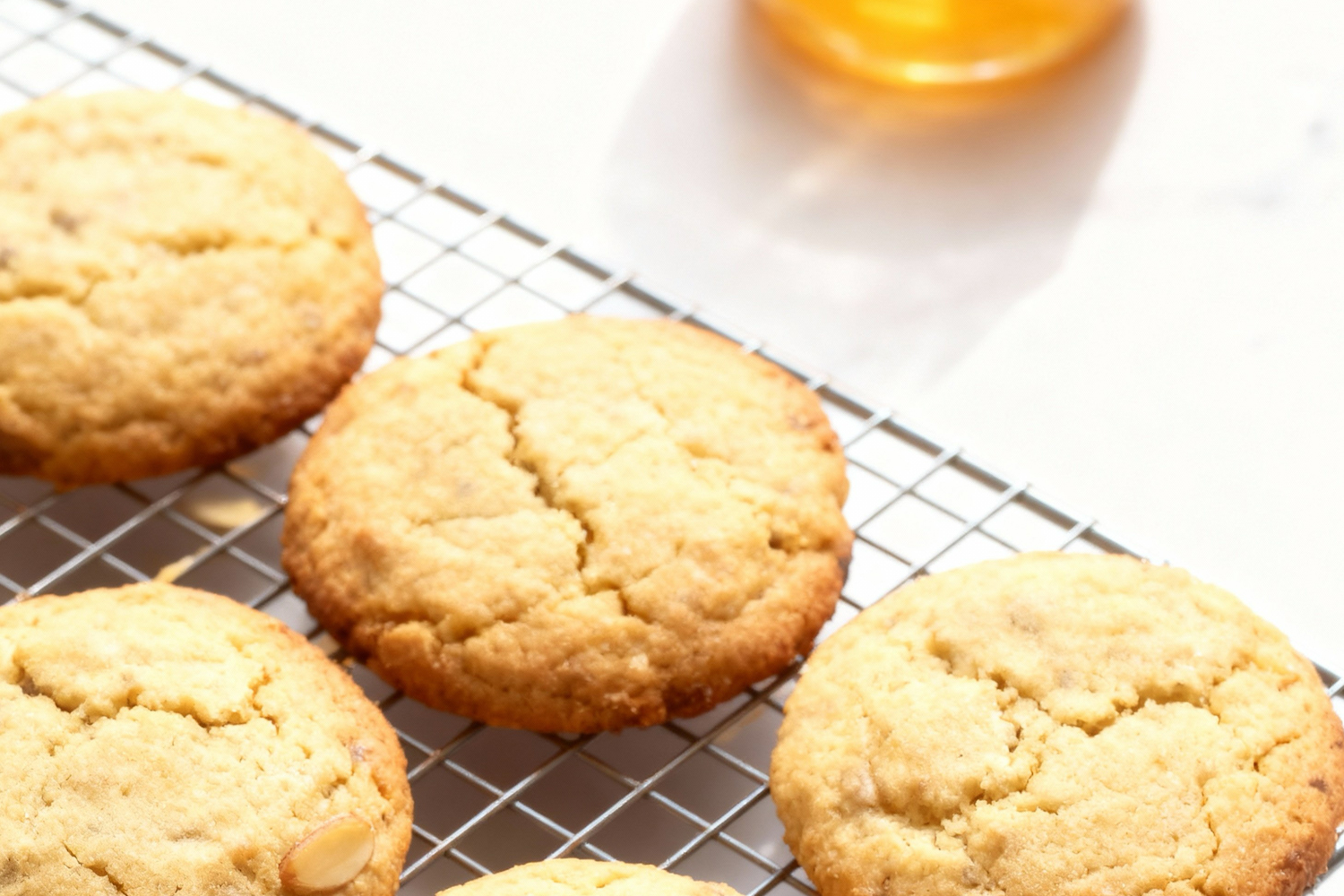
Gluten-free almond flour cookies prove that avoiding gluten doesn’t mean sacrificing flavor. Soft, slightly chewy, and nutty, they’re a naturally sweet treat with a delicate almond aroma.
Perfect for anyone seeking a lighter, wholesome cookie option.
These cookies are easy to make, requiring just a handful of ingredients, yet they feel special enough for dessert tables, brunches, or gifting. Top with sliced almonds or a dusting of powdered sugar for a polished finish.
Enjoying gluten-free almond flour cookies is proof that simple, wholesome baking can also be indulgent, where each bite is nutty, soft, and utterly irresistible.
How to Make Gluten Free Almond Flour Cookies
These gluten-free almond flour cookies are soft, nutty, and surprisingly indulgent.
They bake evenly, hold together beautifully, and taste just as good as traditional cookies, no compromises needed.
Try them once and see how easy gluten-free baking can be.
🔥 If you love these naturally gluten-free cookies, you’ll enjoy exploring more alternative-flour or flourless options that still deliver on flavor and texture.
How to Get Your Gluten Free Almond Flour Cookies Just Right
Making the perfect gluten-free almond flour cookies is all about balance—moisture, bake time, and handling the delicate texture of almond flour.
Here’s how to ensure they turn out perfectly every time:
1. Measure Almond Flour Correctly
Always spoon and level your almond flour rather than scooping it directly from the bag.
Scooping can pack the flour and make your dough dry or crumbly.
Almond flour is naturally dense, so precision matters.
2. Don’t Overmix the Dough
Once the wet and dry ingredients are combined, stop mixing as soon as no dry spots remain.
Overworking almond flour can make the cookies heavy and oily, rather than soft and light.
3. Flatten Before Baking
Almond flour cookies don’t spread much on their own. Gently press each dough ball into a cookie shape before baking to ensure even browning and the right texture.
4. Watch the Oven Closely
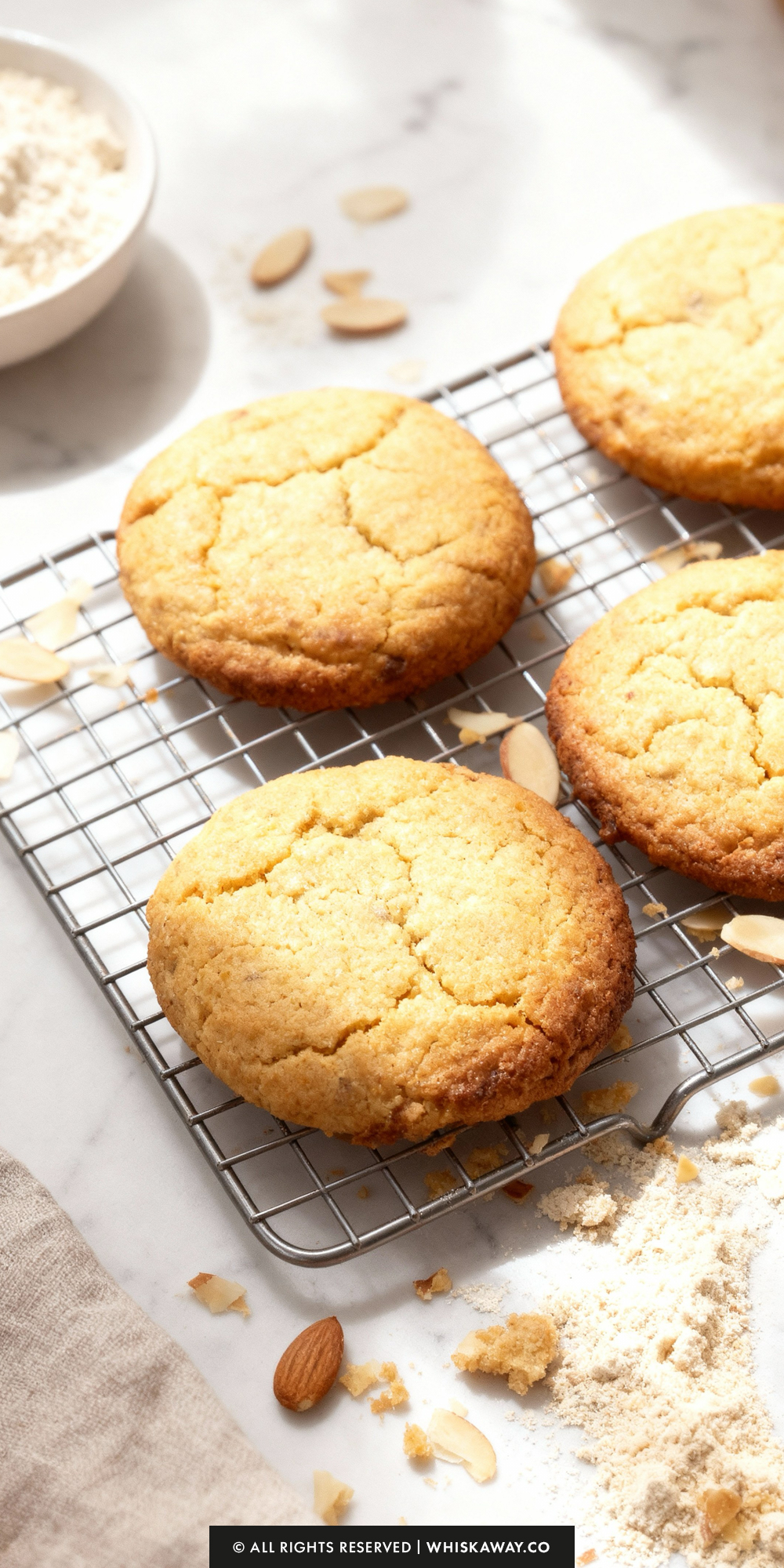
Because these cookies brown quickly at the edges, check them around the 10-minute mark. They should look slightly golden but still soft in the center.
They’ll firm up as they cool. Overbaking will lead to dry, crumbly cookies.
5. Cool Completely Before Moving
Resist the urge to move your cookies right out of the oven. Gluten-free cookies are fragile when warm and may break easily.
Let them cool fully on the baking sheet before transferring.
6. Add a Pinch of Salt for Depth
If your almond flour or butter is unsalted, a small pinch of salt enhances the overall flavor and balances the sweetness.
7. Customize Texture with Fat Choice
Using butter gives a rich, crisp edge and chewy middle, while vegan butter or coconut oil results in a slightly softer, more tender texture.
Common Mistakes to Avoid
- Using almond meal instead of blanched almond flour makes the cookies gritty.
- Skipping the parchment paper will make the cookies stick or overbrown underneath.
- Overbaking, even one extra minute, can turn them dry.
Pro Tip: For a bakery-style finish, sprinkle a few extra chocolate chips on top of each cookie right before baking. It makes them look polished and extra tempting!
Variation Tips
These cookies are wonderfully adaptable, so you can tweak them to match your taste, dietary needs, or mood, without losing that soft, chewy texture.
Here are some creative ways to make them your own:
1. Flavor Boosts
- Citrus Twist: Add 1 teaspoon of finely grated lemon or orange zest to the dough for a bright, aromatic touch.
- Spiced Warmth: Mix in ½ teaspoon of cinnamon, pumpkin spice, or chai spice for a cozy flavor.
- Nutty Depth: Stir in a tablespoon of almond butter or peanut butter for richness and a slightly chewier texture.
2. Chocolate Alternatives
- White Chocolate & Cranberry: Swap dark chocolate chips for white chocolate and add a handful of dried cranberries for a festive, tangy-sweet combo.
- Double Chocolate: Mix 1 tablespoon of unsweetened cocoa powder into the dough for a deeper, fudgy cookie.
- No Chocolate?: Try chopped nuts, raisins, or shredded coconut instead — they add texture and flavor without overpowering the base.
3. Sweetener Swaps
- Replace maple syrup with honey, agave nectar, or monk fruit syrup for a different flavor profile or lower glycemic option.
- For a slightly crispier cookie, reduce the liquid sweetener by ½ tablespoon.
4. Vegan & Dairy-Free Options
- Use vegan butter or refined coconut oil instead of regular butter for a dairy-free cookie that’s still buttery and soft.
- Make sure your chocolate chips are dairy-free — brands like Enjoy Life work perfectly.
5. Texture Adjustments
- For Crispier Cookies: Flatten them thinner and bake an extra 1–2 minutes.
- For Softer Cookies: Slightly underbake and let them finish setting on the baking sheet as they cool.
6. Protein or Fiber Boost
- Add 1 tablespoon of chia seeds or flax meal for extra nutrition and a heartier bite.
- Stir in a scoop of vanilla protein powder (reduce almond flour slightly to balance) for a more filling, high-protein treat.
7. Dessert Remix Ideas
- Cookie Sandwiches: Spread almond butter, chocolate ganache, or ice cream between two cookies.
- Crumbled Topping: Break cooled cookies into chunks and use as a topping for yogurt, smoothie bowls, or banana nice cream.
Storage Tips
Almond flour cookies stay fresh and delicious for days when stored properly. Because they’re naturally soft and slightly moist, the right storage method helps maintain their chewy texture without turning greasy or crumbly.
Here’s how to keep them tasting bakery-fresh:
1. At Room Temperature (Best for Short-Term Storage)
- Store cooled cookies in an airtight container lined with parchment paper to prevent sticking.
- Keep them at room temperature for up to 5 days in a cool, dry spot away from direct sunlight.
- For the best texture, place a small piece of parchment paper between layers to prevent them from merging together.
- Avoid metal tins if the area is humid. Opt for glass or plastic containers with tight seals.
2. Refrigeration (Keeps Them Fresh Longer)
- If your kitchen is warm or humid, refrigerate the cookies to extend freshness.
- Place them in a sealed container or zip-top bag with a paper towel inside to absorb any excess moisture.
- They’ll stay fresh for 7–10 days in the fridge.
- Let them sit at room temperature for 10–15 minutes before eating. They’ll soften up beautifully again.
3. Freezing (Best for Long-Term Storage)
- Almond flour cookies freeze very well both baked and unbaked.
- For baked cookies: Allow them to cool completely, then arrange in a single layer on a baking sheet and freeze until solid. Once frozen, transfer them to a freezer-safe bag or container, separating layers with parchment paper.
- Freeze for up to 3 months.
- Thaw at room temperature for about 20 minutes before serving, or warm briefly in a 300°F (150°C) oven for 3–5 minutes for that freshly baked feel.
- For unbaked dough: Shape into cookie balls, freeze on a tray, and store in a freezer bag. Bake straight from frozen. Just add 1–2 extra minutes to the baking time.
4. Storage Mistakes to Avoid
- Don’t store warm cookies as they’ll release steam and become soggy.
- Avoid stacking warm cookies; always let them cool fully before packing.
- Keep them away from strong-smelling foods (like onions or garlic) to prevent flavor transfer.
- Don’t refrigerate unbaked dough in an open bowl as it dries out quickly. Always wrap tightly in plastic or seal in an airtight container.
With these storage tricks, your gluten-free almond flour cookies will stay soft, flavorful, and satisfying, whether you’re enjoying them fresh from the oven or days later with a cup of tea.
Save for Later to Your Pinterest Board
FAQs
Can I use almond meal instead of blanched almond flour?
It’s best to use blanched almond flour for this recipe. Almond meal (made with unpeeled almonds) has a coarser texture and darker color, which can make the cookies denser and grainier. If that’s what you have, you can still use it — just expect a slightly more rustic cookie.
How can I make these cookies dairy-free or vegan?
To make the recipe dairy-free, replace butter with vegan butter or refined coconut oil (solid, not melted). For a vegan version, the recipe already works perfectly since it uses no eggs — just ensure your chocolate chips (if using) are dairy-free.
Why are my almond flour cookies crumbly or too soft?
Crumbly cookies usually mean the dough didn’t have enough binding from the maple syrup or butter. Make sure to measure the almond flour correctly (spoon and level, don’t pack it) and mix until the dough holds together. On the other hand, if they’re too soft, bake them for 1–2 extra minutes or let them cool fully before moving — they firm up as they rest.
Can I freeze the dough or baked cookies?
Absolutely! You can freeze baked cookies for up to 3 months in a sealed freezer bag or container, separated by parchment paper. For the dough, scoop and freeze the cookie balls, then bake straight from frozen — just add an extra minute or two to the baking time.
What’s the best way to serve almond flour cookies?
These cookies taste amazing on their own, but they’re also great crumbled over yogurt, served with ice cream, or paired with coffee or tea. For a fun twist, sandwich two cookies with a layer of nut butter or chocolate spread for an indulgent treat.
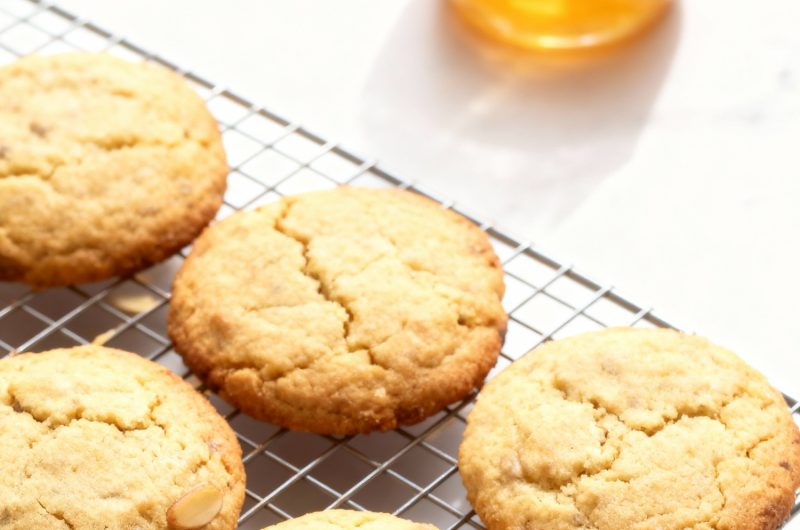
Gluten Free Almond Flour Cookies
12
cookies5
minutes12
minutesThis gluten free almond flour cookies recipe gives you soft, nutty cookies that are naturally gluten-free and utterly delicious.
Ingredients
2 cups blanched almond flour
1/4 cup butter or vegan butter, softened
3 tablespoons maple syrup
1 teaspoon vanilla extract
1/2 teaspoon baking powder
Directions
- Preheat the oven to 350°F (180°C) and line a large baking sheet with parchment paper. Set it aside.
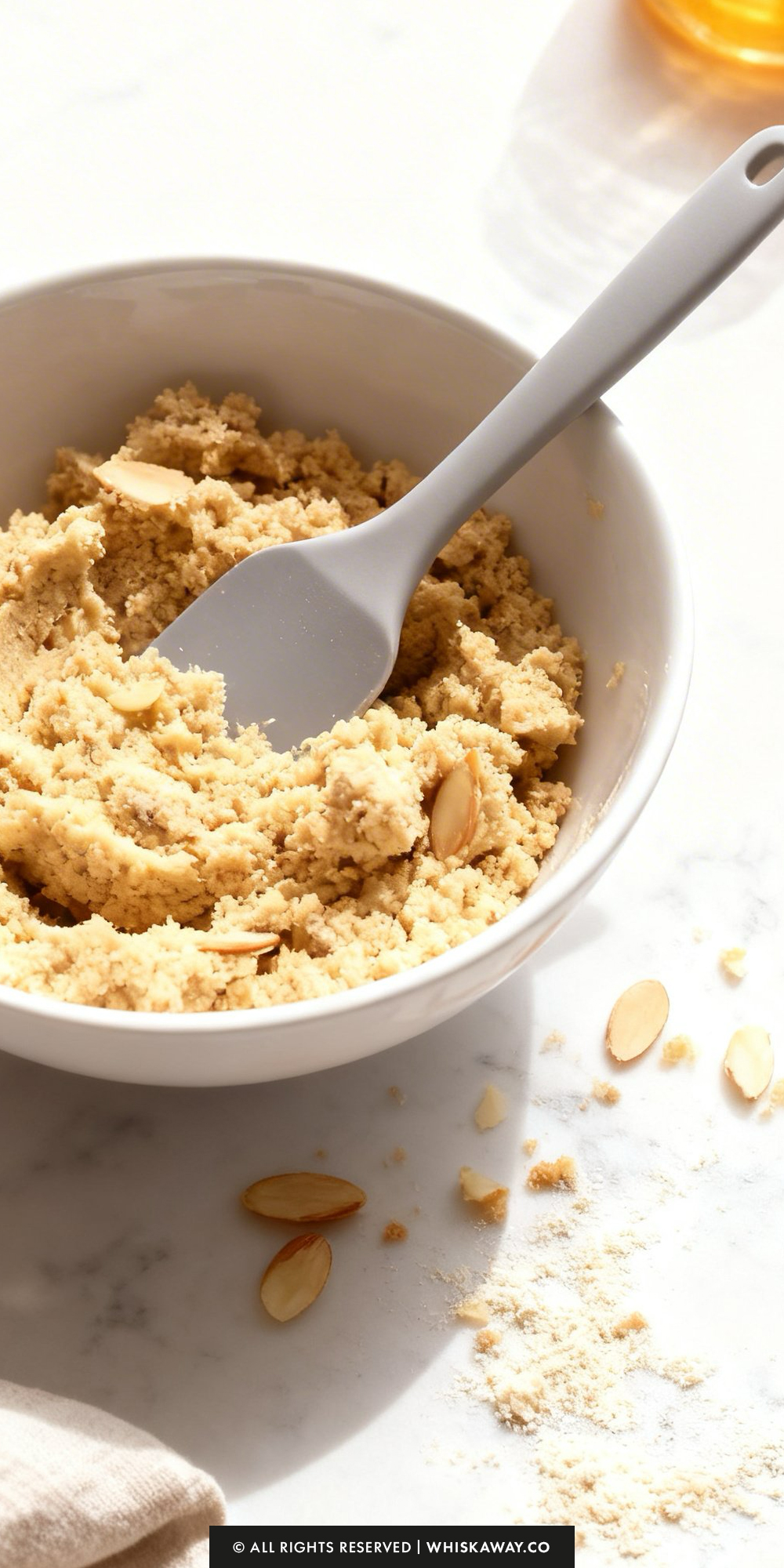
- In a mixing bowl, whisk together the almond flour and baking powder until evenly combined. Add the softened butter, maple syrup, and vanilla extract, then stir until a thick dough forms.
- Use a spatula or wooden spoon to gently fold in the chocolate chips (if using).
- Scoop out portions of dough to form 6 large or 12 smaller balls. Arrange them on the prepared baking sheet and lightly flatten each one into a round cookie shape.
- Bake for 10–12 minutes, or until the cookies turn light golden around the edges.
- Remove the tray from the oven and let the cookies cool completely on the baking sheet — they’ll continue to firm up as they cool.