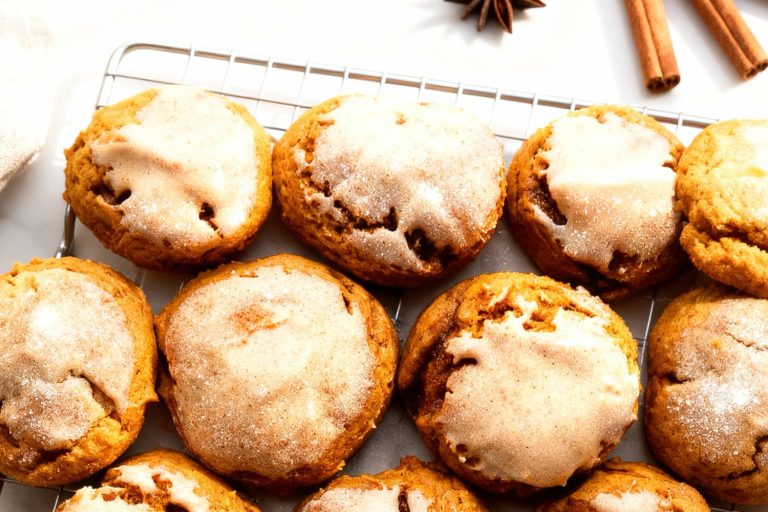
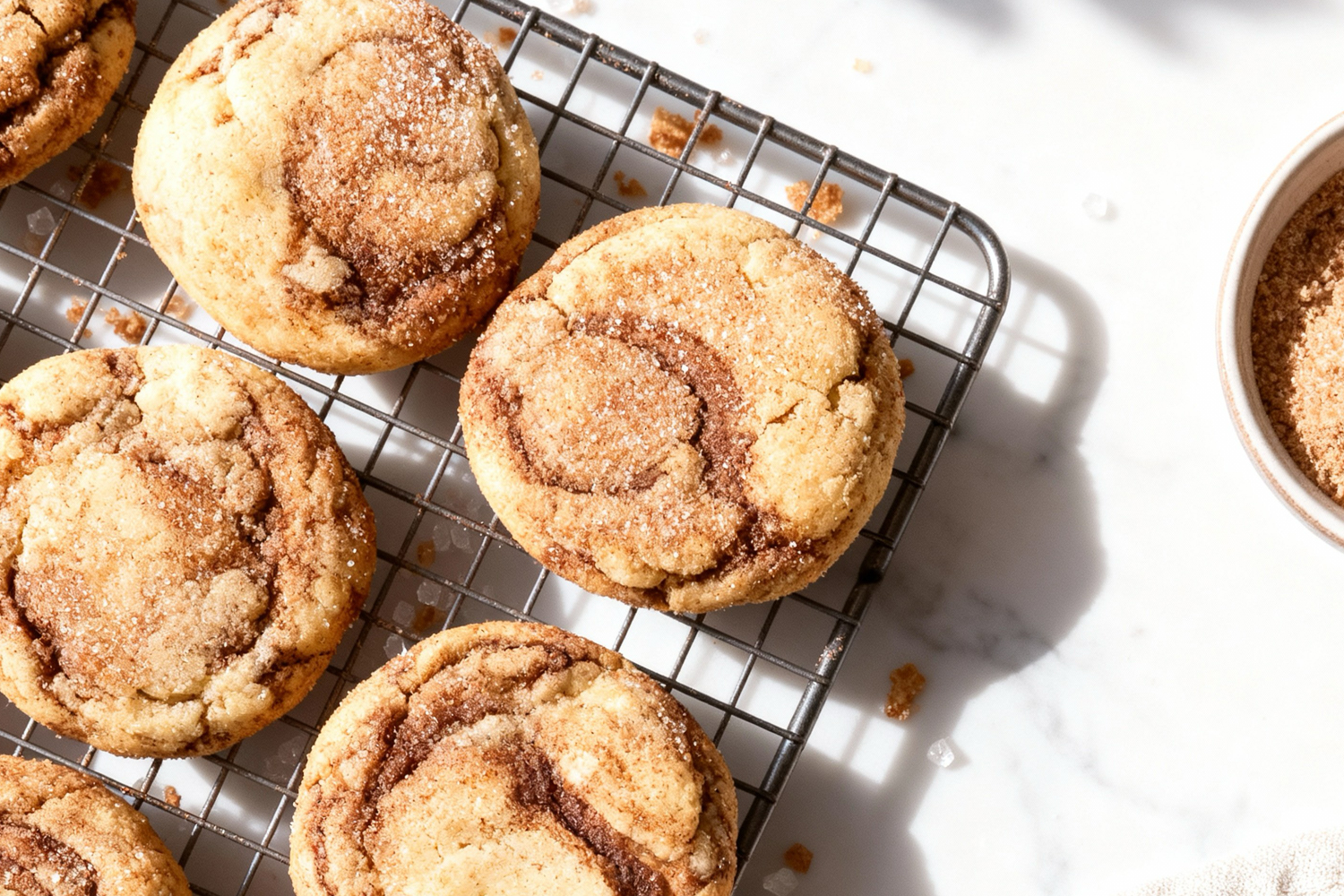
Cinnamon sugar cake cookies capture the nostalgic flavor of a cinnamon-sprinkled cake in a chewy, handheld cookie.
Warm spices, soft dough, and a sweet sugar coating make these cookies comforting, cozy, and perfect for any day that needs a little pick-me-up.
The magic of cinnamon sugar cake cookies lies in their simplicity.
Pantry staples combine to create dough with a soft, tender texture and a lovely cinnamon aroma.
Rolling them in sugar before baking gives them a slight crispness and extra charm.
Perfect for mornings with coffee, afternoon snacks, or gifting to friends, cinnamon sugar cake cookies are versatile and satisfying.
How to Make Cinnamon Sugar Cake Cookies
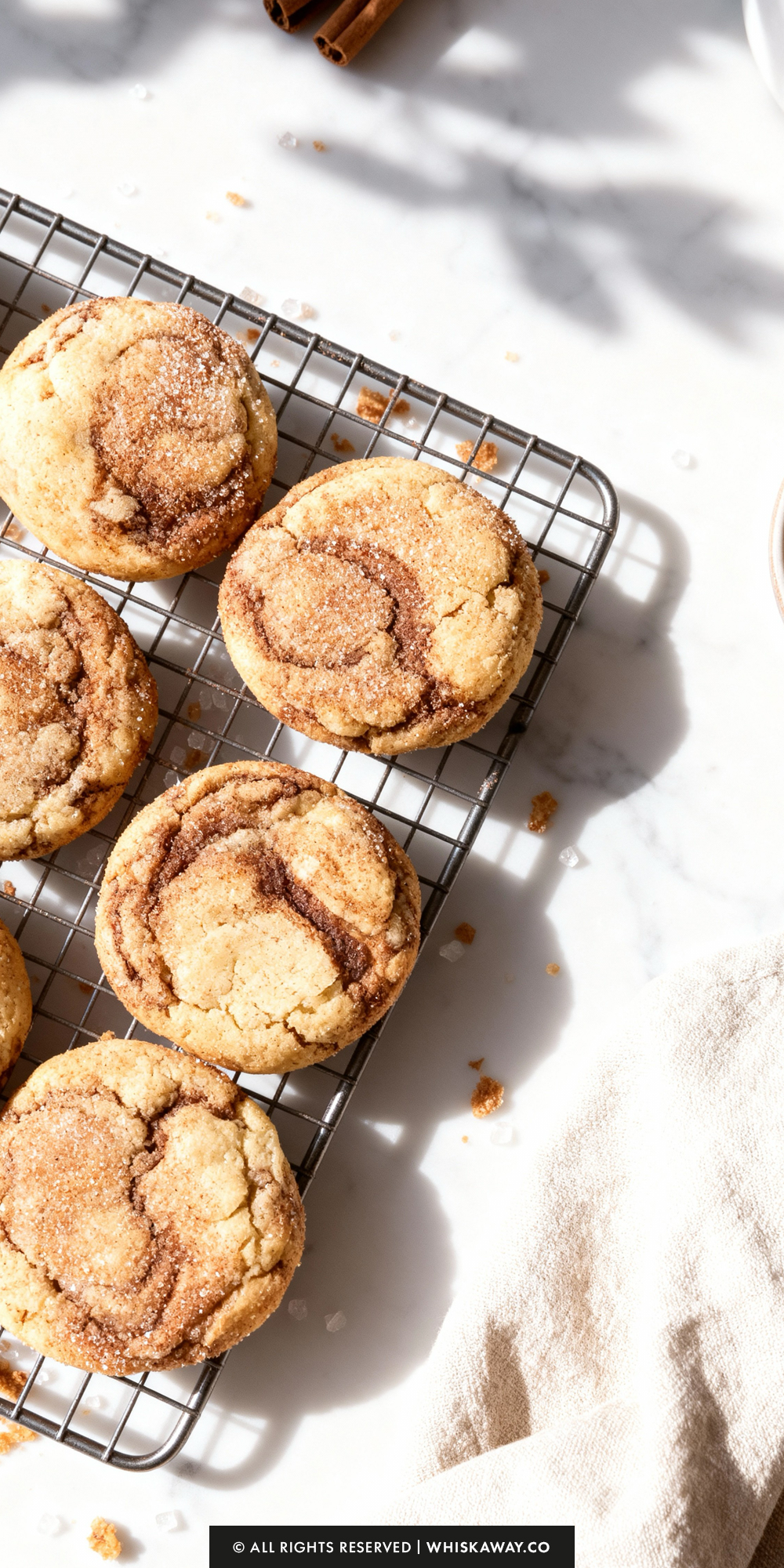
These cinnamon sugar cake cookies are thick, fluffy, and irresistibly soft. Each bite tastes like a warm snickerdoodle crossed with a cupcake.
If soft cookies are your favorite, let’s bake these now!
🔥 Soft and cakey with a sugary coating, these are perfect for anyone who loves tender crumb and warm spice. So, I encourage you to check these as well:
How to Get Your Cinnamon Sugar Cake Cookies Just Right
Achieving perfectly tender, soft, and flavorful Cinnamon Sugar Cake Cookies is all about balance, between the butter, sugar, and flour, and careful attention to mixing, shaping, and baking.
Here’s how to make sure your cookies come out consistently delicious every time:
1. Creaming butter and sugar
Make sure your butter is softened but not melted. Too cold, and it won’t blend smoothly; too warm, and the cookies may spread too much.
Beat the butter and granulated sugar together until light and fluffy as this incorporates air into the dough and helps create a tender, airy texture.
2. Eggs and vanilla
- Use room temperature eggs for better incorporation and consistent texture.
- Beat the egg and yolk fully into the butter-sugar mixture to ensure a smooth, homogenous dough.
3. Mixing dry ingredients
Whisking the flour, cream of tartar, baking soda, and salt beforehand ensures even distribution of leavening agents and prevents pockets of baking soda or salt in the final cookies.
4. Incorporating the ripple
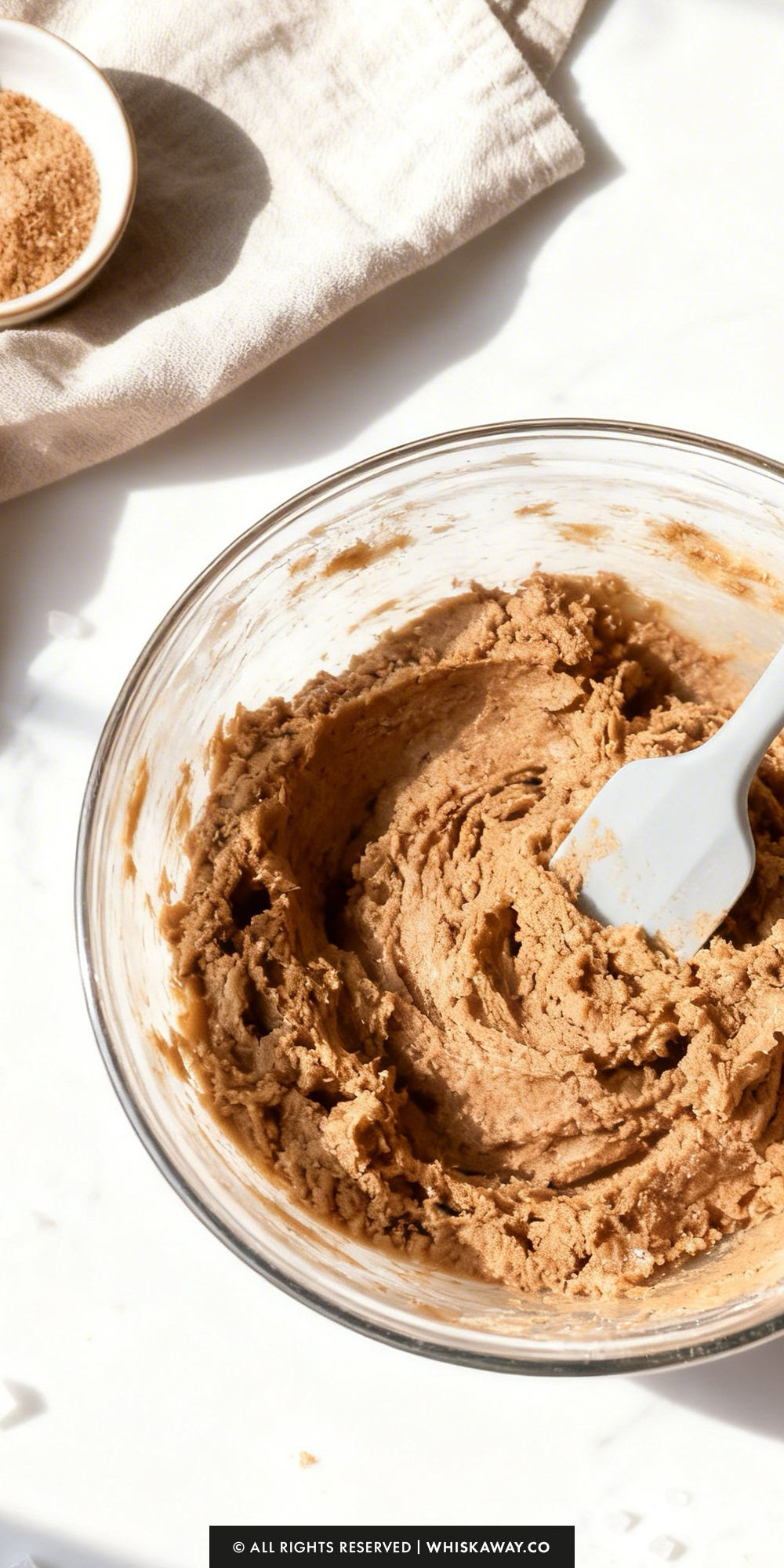
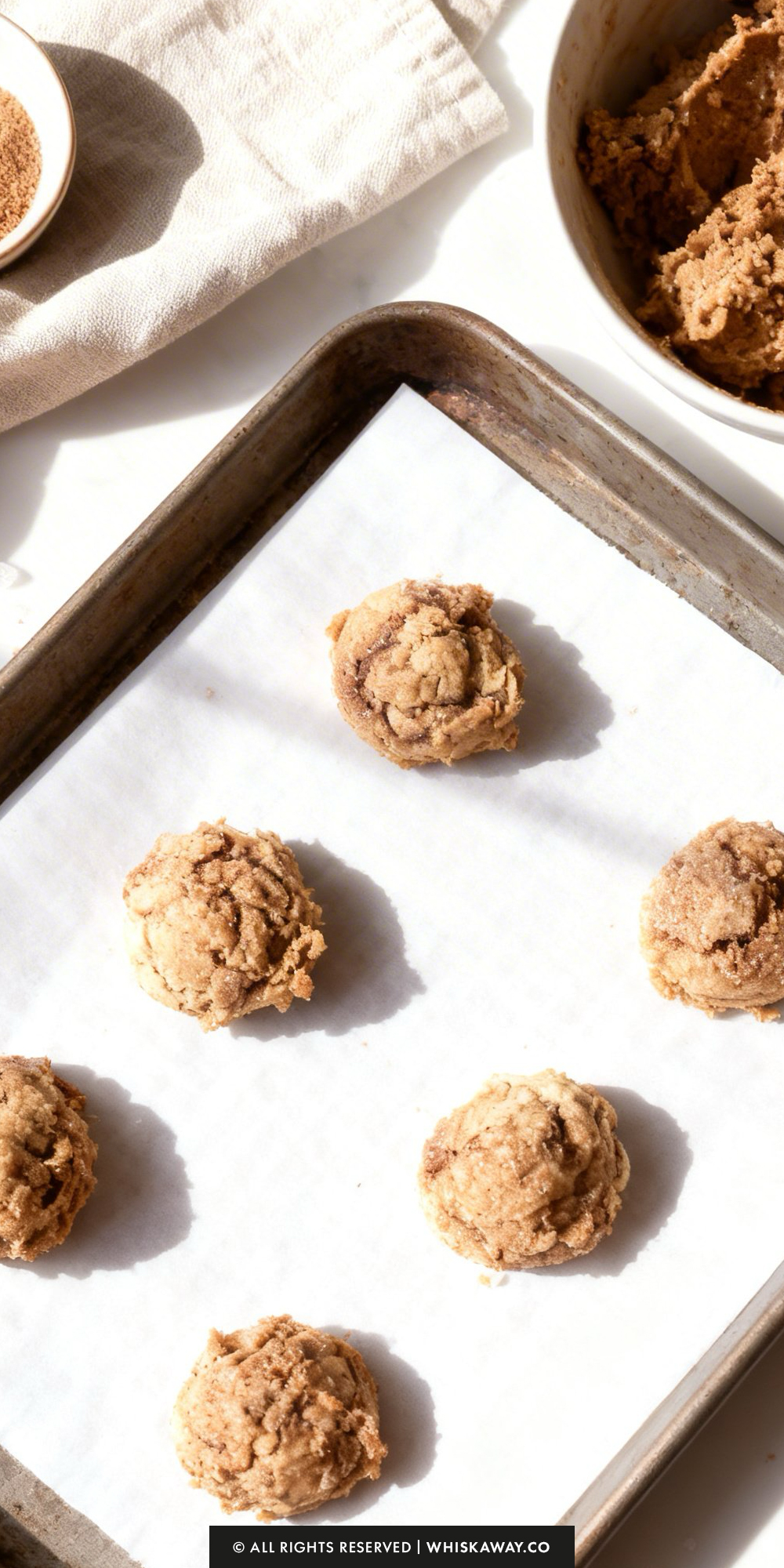
The cinnamon-butter paste should be folded gently into the dough, leaving visible swirls.
Overmixing will blend it in too much, and you’ll lose the marbled effect.
For an eye-catching ripple, add spoonfuls of the cinnamon paste on top of the dough and fold only a few times.
5. Shaping the cookies
Use a measured scoop (1½ tablespoons) for uniform size, which ensures even baking.
Rolling gently into balls smooths the surface and helps the cookies bake evenly without cracking excessively.
6. Baking tips
Keep a close eye on the cookies; ovens vary. Edges should be lightly golden, while the tops remain soft and slightly pale.
Overbaking will result in dry, crumbly cookies.
Bake in the center of the oven to ensure even heat distribution.
7. Cooling and handling
Let the cookies cool completely on the baking sheet before moving or stacking.
This allows them to set properly and retain their soft, cake-like texture.
8. Common mistakes to avoid
- Using melted butter instead of softened butter → cookies spread too much and lose structure.
- Overmixing the ripple → swirls disappear and flavor may be uneven.
- Skipping room temperature eggs → uneven texture and dense cookies.
- Overbaking → dry, crumbly cookies instead of soft, tender centers.
By paying attention to these details, you’ll get soft, tender, perfectly rippled Cinnamon Sugar Cake Cookies that are as beautiful as they are delicious.
Variation Tips
These cookies are wonderfully adaptable, so you can tweak flavors, textures, or ingredients to suit your taste or dietary needs without changing the core recipe.
Here are some creative and practical ideas:
1. Flavor Twists
- Spiced Up: Add a pinch of nutmeg, ground ginger, or cardamom to the flour mixture for a warm, autumn-inspired flavor.
- Citrus Zing: Add ½ teaspoon finely grated orange or lemon zest to the dough for a bright, fragrant twist.
- Vanilla Swap: Replace the vanilla extract with almond or maple extract for a subtle but noticeable flavor change.
2. Textural Tweaks
- Chewy Variation: Substitute half of the all-purpose flour with bread flour for slightly chewier cookies.
- Crunch Factor: Add ¼ cup finely chopped nuts (pecans, walnuts, or almonds) to the dough or sprinkle on top before baking for a nutty crunch.
- Chocolate Swirl: Gently fold in mini chocolate chips or a swirl of chocolate ganache to complement the cinnamon ripple.
3. Sweetness Adjustments
- Lower Sugar: Reduce granulated sugar in the dough by 1–2 tablespoons or use coconut sugar for a slightly less sweet cookie.
- Brown Sugar Ripple: Swap light brown sugar for dark brown sugar in the cinnamon ripple for a deeper molasses flavor.
4. Dietary Modifications
- Gluten-Free: Substitute a 1:1 gluten-free all-purpose flour blend for regular flour. Make sure it contains xanthan gum for structure.
- Dairy-Free: Use a plant-based butter alternative in both the dough and the cinnamon ripple. Coconut oil can work in the ripple, but the dough may be slightly more delicate.
- Egg-Free: Replace the egg and yolk with ¼ cup unsweetened applesauce or a commercial egg replacer for a vegan option.
5. Presentation & Fun Additions
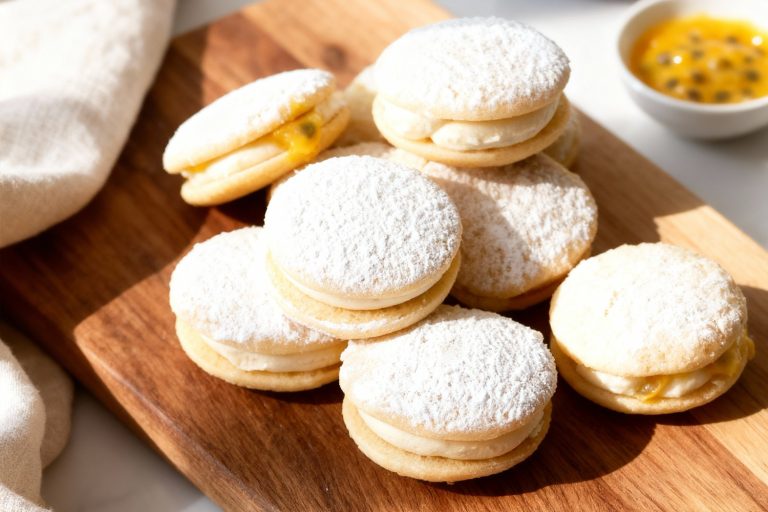
- Sandwich Cookies: Once cooled, sandwich two cookies together with a cinnamon buttercream, cream cheese frosting, or caramel filling.
- Topping Play: Sprinkle coarse sugar, cinnamon sugar, or even a light drizzle of melted chocolate over the top for a festive look.
These tweaks let you customize your Cinnamon Sugar Cake Cookies for different occasions, flavor profiles, and dietary needs while keeping the soft, tender texture and signature cinnamon ripple intact.
Storage Tips
Keeping your Cinnamon Sugar Cake Cookies fresh, soft, and flavorful requires the right storage method.
Here’s how to get the best results:
1. Room Temperature
- How to Store: Place completely cooled cookies in an airtight container. You can separate layers with parchment or wax paper to prevent sticking.
- Shelf Life: Cookies will stay fresh for up to 4 days at room temperature.
- Tips: Keep them in a cool, dry spot away from direct sunlight. Avoid storing in the fridge at this stage, as it can dry them out.
2. Refrigeration
- How to Store: Store cookies in an airtight container in the refrigerator. This can help if your kitchen is warm or if the cookies contain a soft filling.
- Shelf Life: Cookies will stay good for up to 1 week in the fridge.
- Tips: Let the cookies come to room temperature before serving to regain their soft, tender texture.
3. Freezing
- Unbaked Dough: Scoop the cookie dough into balls and freeze on a tray for 1–2 hours until firm. Transfer to a freezer-safe bag or container. You can bake directly from frozen, adding 1–2 extra minutes to the bake time. Dough can be frozen for up to 3 months.
- Baked Cookies: Place cooled cookies in a single layer in a freezer-safe container, separating layers with parchment. Freeze for up to 3 months. Thaw at room temperature before serving.
4. Reheating Tips
- For Soft Cookies: Warm at 300°F (150°C) for 3–5 minutes in the oven to refresh softness.
- Avoid Microwave Overheating: Microwaving may make the cookies soft temporarily but can lead to a gummy texture once cooled.
5. Common Storage Mistakes to Avoid
- Sealing While Warm: Always allow cookies to cool completely before sealing in containers. Warm cookies release steam, which can make them soggy.
- Excess Moisture: Avoid storing near damp areas or in containers without a tight seal. Moisture will soften the cookies too much or cause sugar crystals to clump.
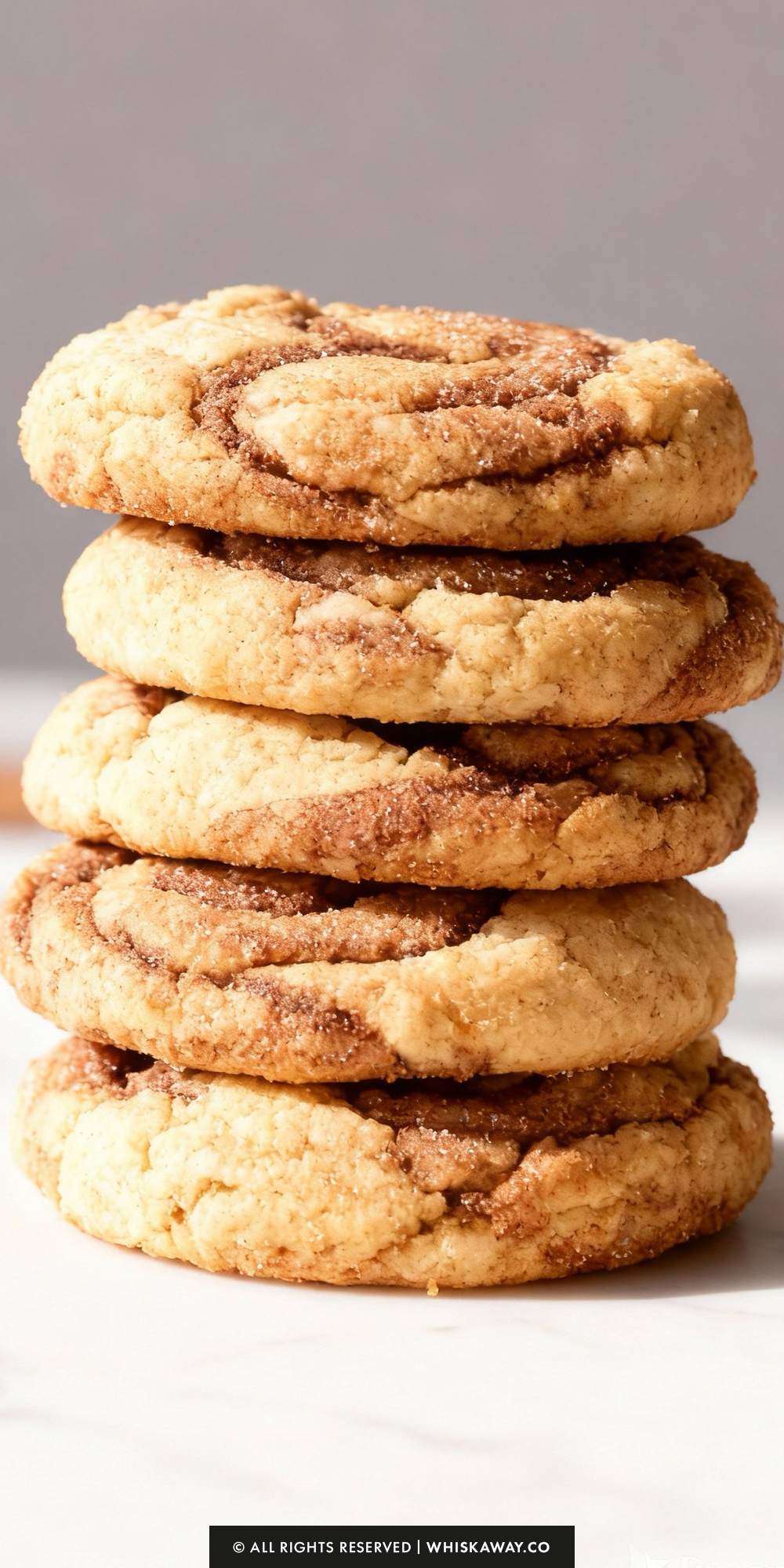
- Stacking Without Paper: Layers of cookies without parchment can stick together, damaging the cinnamon ripple design.
By following these storage tips, your Cinnamon Sugar Cake Cookies will stay tender, flavorful, and just the right texture for days after baking.
Save for Later to Your Pinterest Board

FAQs
Can I substitute all-purpose flour with a gluten-free flour?
Yes, you can use a 1:1 gluten-free baking flour blend in place of all-purpose flour. Make sure it contains xanthan gum or another binding agent. The texture may be slightly different—cookies could be a bit more delicate—but the flavor will remain delicious.
Can I make these cookies without butter?
Butter is key for flavor and texture in this recipe. You can try substituting with an equal amount of margarine or coconut oil, but the cookies may spread differently and have a slightly altered texture. For coconut oil, chill the dough before baking to prevent excess spreading.
How do I achieve the perfect cinnamon ripple?
To keep the ripple distinct, fold the cinnamon sugar paste into the dough gently. Avoid overmixing. Dollop the ripple over the dough and fold briefly—this creates a visible swirl while preserving the cookie’s structure.
How long do these cookies last, and what’s the best way to store them?
Cookies stay fresh at room temperature in an airtight container for up to 4 days. Refrigerated, they last about 1 week. You can freeze baked cookies for up to 3 months and freeze unbaked dough for the same duration. Always allow cookies to cool completely before storing.
Can I serve these cookies with toppings or fillings?
Absolutely! Sprinkle extra cinnamon sugar on top before baking for a crunchier texture. You can also sandwich cookies with frosting, cream cheese, or chocolate spread for a festive twist. Just keep in mind that fillings may shorten shelf life slightly.
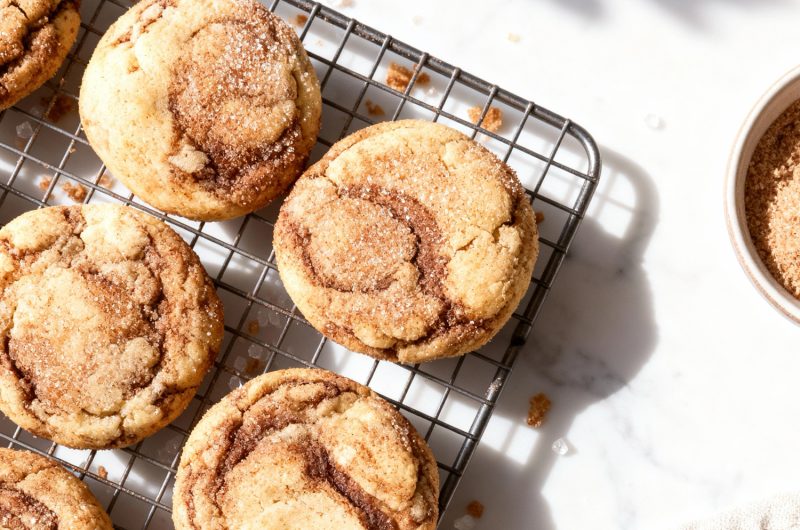
Cinnamon Sugar Cake Cookies
34
cookies20
minutes10
minutesWant soft, sweet, and lightly spiced cookies? These cinnamon sugar cake cookies are tender, sugary, and perfect with a cup of tea.
Ingredients
Cookie Dough:
3 cups (375 g) all-purpose flour
1 cup (226 g) unsalted butter, softened
1 cup (200 g) granulated sugar
1 large egg + 1 large egg yolk, room temperature preferred
1 ½ teaspoons cream of tartar
1 teaspoon baking soda
½ teaspoon table salt
¼ teaspoon vanilla extract
Ripple:
½ cup (100 g) light brown sugar, firmly packed
¼ cup (57 g) unsalted butter, very soft/barely melted
1 Tablespoon ground cinnamon
⅛ teaspoon table salt
Directions
- Prep: Preheat your oven to 350°F (175°C) and line baking sheets with parchment paper. Set aside.
- Make the dough: In a large mixing bowl, use an electric mixer to cream the butter and granulated sugar together until smooth and fluffy, about 2–3 minutes.
- Add eggs and vanilla: Beat in the egg, egg yolk, and vanilla extract until fully incorporated.
- Combine dry ingredients: In a separate medium bowl, whisk together the flour, cream of tartar, baking soda, and salt.
- Incorporate dry ingredients: Gradually add the flour mixture to the butter mixture, stirring until a uniform dough forms.
- Prepare the cinnamon ripple: In another medium bowl, mix together the light brown sugar, ground cinnamon, and salt. Stir in the softened butter until the mixture forms a thick, paste-like consistency.
- Add ripple to dough: Gently fold the cinnamon paste into the cookie dough using a spatula, taking care not to overmix so you retain visible swirls of the ripple. You can add spoonfuls of the paste on top of the dough and fold just a few times for a marbled effect.
- Shape cookies: Scoop out dough using a level 1½ tablespoon portion. Optionally, roll each portion gently between your palms to form a smooth ball.
- Bake: Arrange the cookie balls on the prepared baking sheets, leaving at least 2 inches (5 cm) of space between them. Bake in the center of the oven for 10–11 minutes, or until edges are set and tops look lightly golden.
- Cool: Allow cookies to cool completely on the baking sheet before serving to set the texture and maintain the delicate crumb.