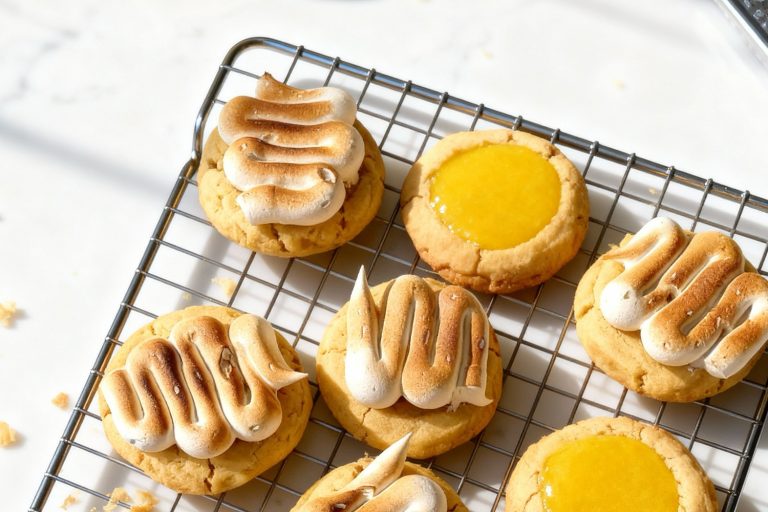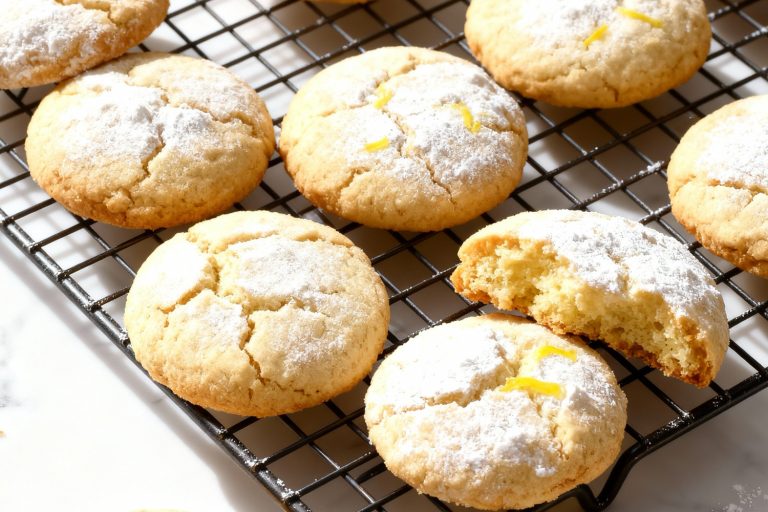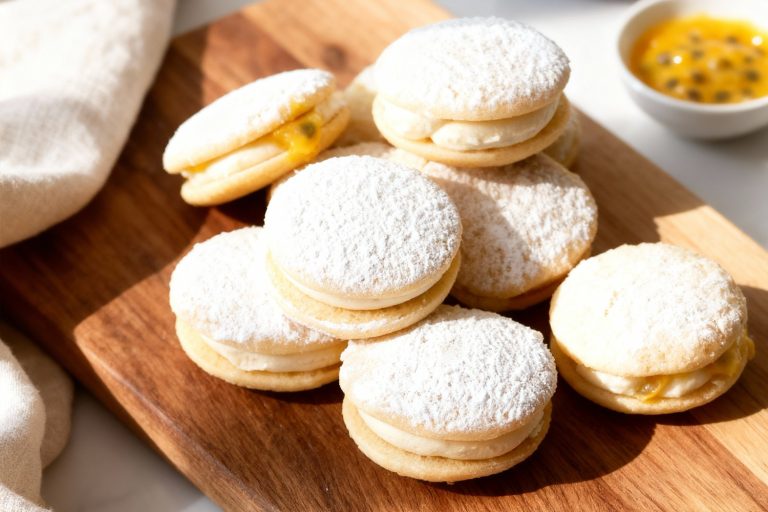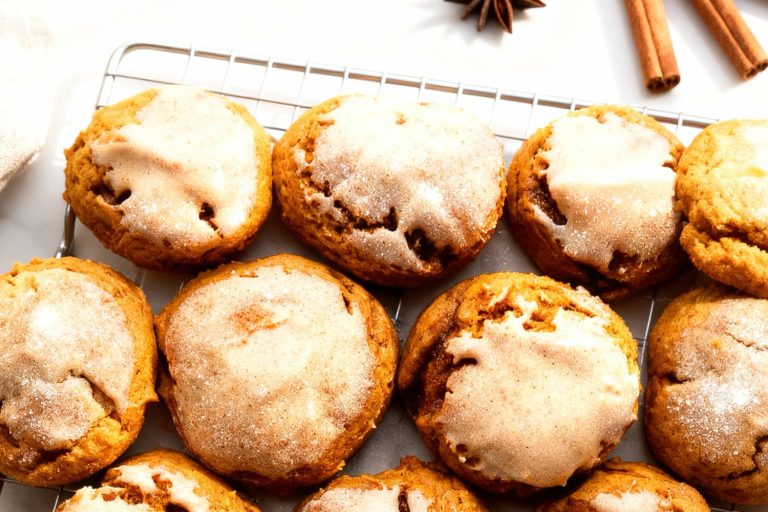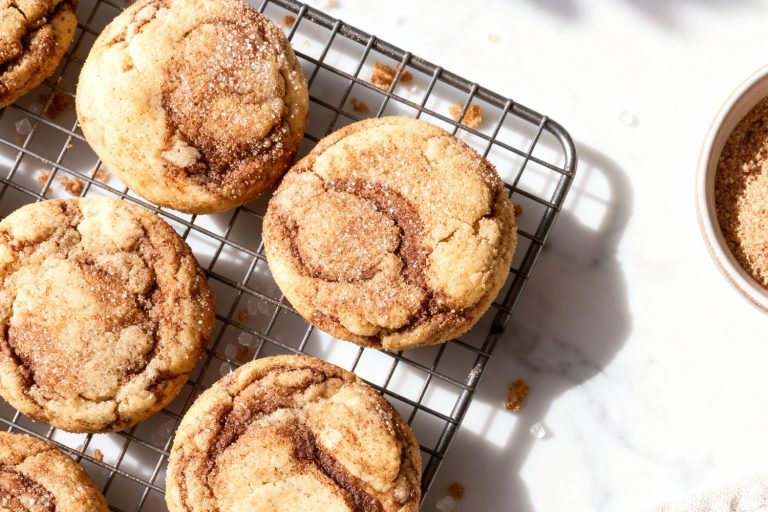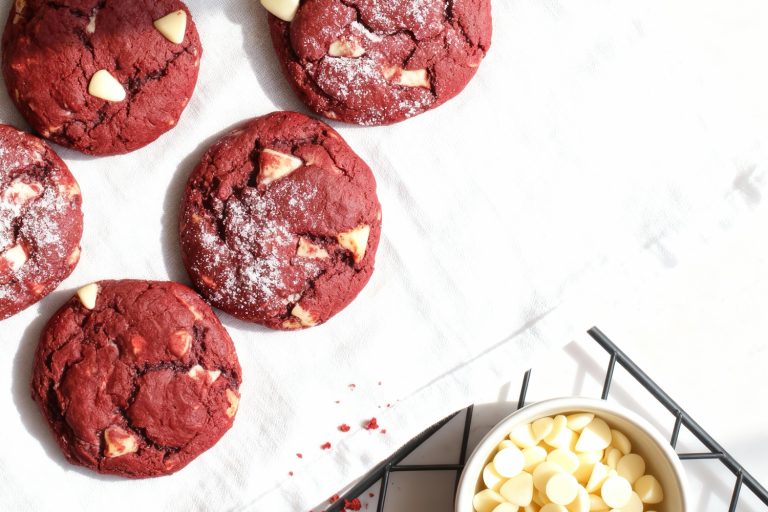
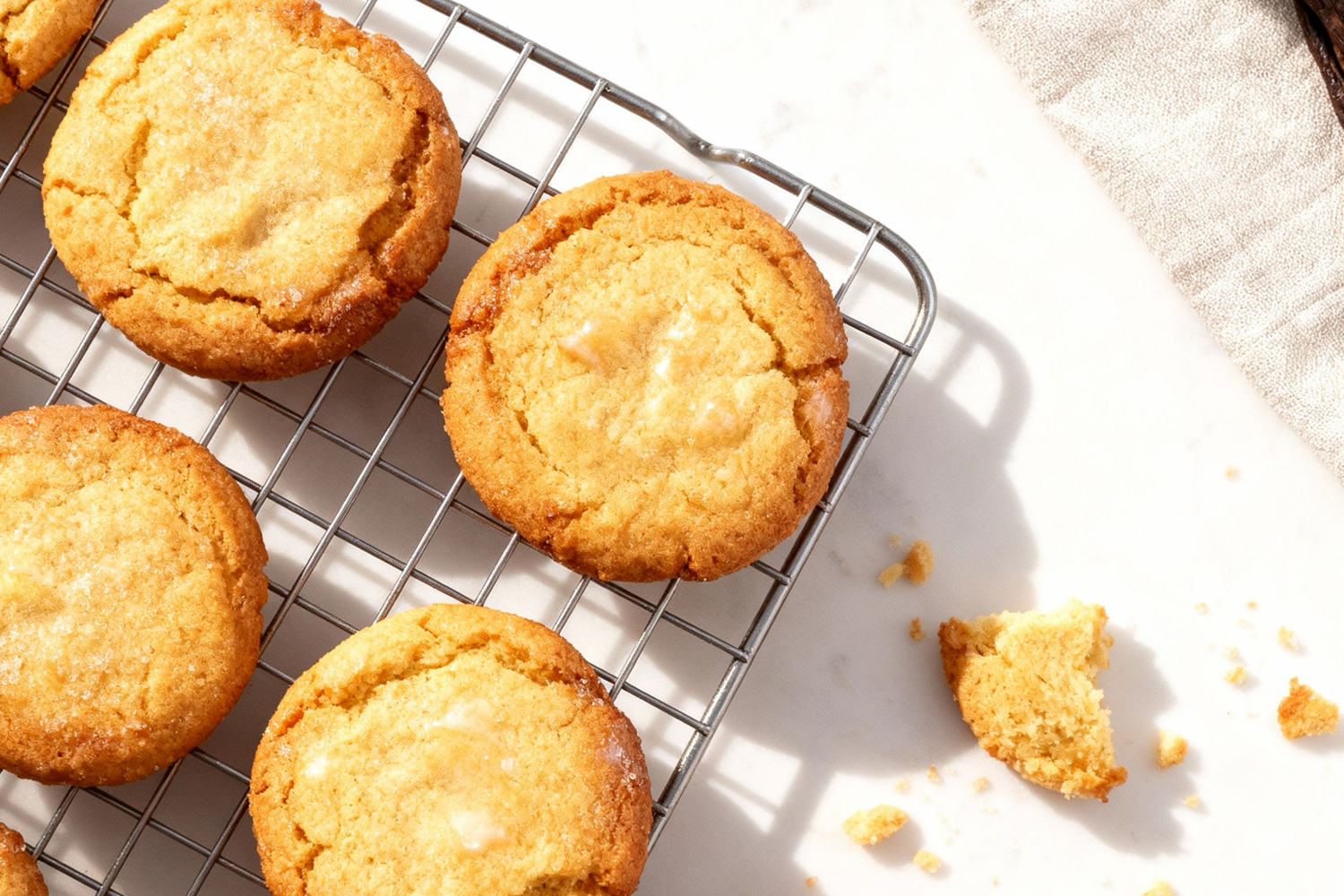
Butter cookies are the ultimate in simple elegance. Rich, tender, and buttery, they have a light crispness that makes each bite melt in your mouth.
Minimal ingredients create maximum flavor, proving that classic baking is timeless.
Perfect for pairing with tea or coffee, butter cookies are also ideal for shaping into fun designs or gifting. Add a light sugar dusting or a decorative drizzle for extra charm.
Enjoying butter cookies is like a little bite of comfort, i.e, soft, buttery, and utterly satisfying.
They’re simple, classic, and endlessly delicious.
How to Make Butter Cookies
Classic butter cookies with crisp edges and rich flavor never disappoint. This dough pipes smoothly, holds its shape, and bakes into cookies that feel timeless and elegant.
Let’s make butter cookies just like the bakery.
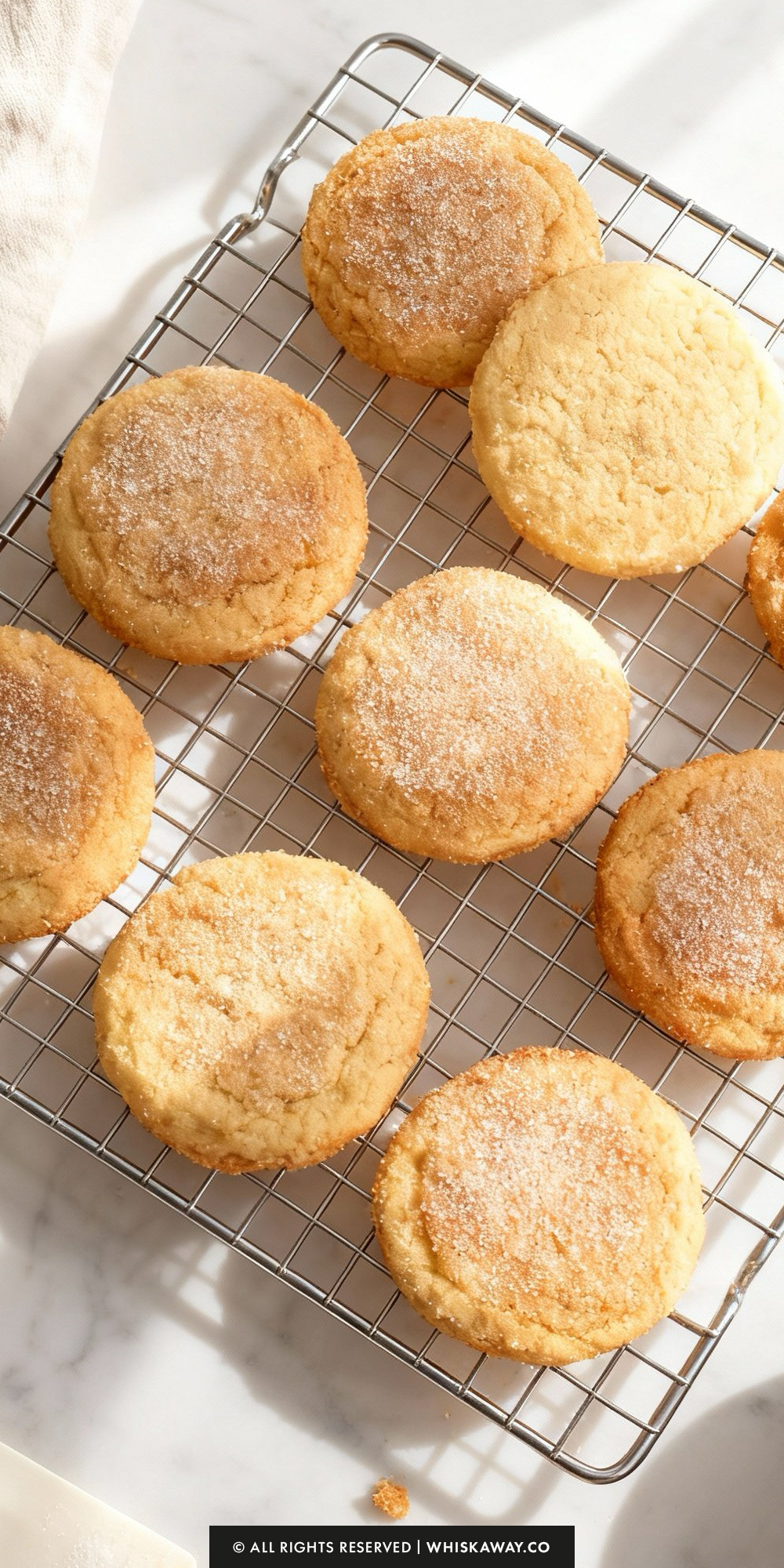
🔥 Simple, rich, and perfect with tea or coffee, butter cookies celebrate pure flavor. If you enjoy that delicate crumb, these elegant cookies are worth trying.
How to Get Your Butter Cookies Just Right
1. Use high-quality butter
The flavor and texture of butter cookies rely heavily on the butter you use. Opt for unsalted, high-quality butter at room temperature.
Softened butter ensures smooth, creamy creaming with the sugar, which helps create a tender, melt-in-your-mouth cookie.
2. Creaming is key
Take your time when creaming the butter, sugar, and salt. Beat for 2–3 minutes until the mixture is pale, fluffy, and aerated.
This step incorporates air, giving your cookies a delicate texture. Scrape down the sides frequently to ensure even mixing.
3. Don’t overmix once flour is added
After adding the flour, mix just until combined. Overmixing develops gluten, which can make cookies tough rather than tender.
4. Chill the dough
Refrigerating the dough for at least an hour is essential. Chilling firms the dough, making it easier to slice evenly and reducing spreading during baking.
For perfectly round cookies, you can even chill the dough in a cardboard tube or a tight log to maintain shape.
5. Even slices for consistent baking
Use a sharp knife and slice the dough evenly, around 1/4-inch thick. Uneven slices can lead to cookies baking at different rates, with thin edges overbrowning while the centers remain undercooked.
6. Watch your baking time
Butter cookies bake quickly. Keep an eye on them toward the end of the baking time—edges should just start to turn golden while the centers remain pale. Overbaking will result in a dry, crumbly cookie.
7. Cooling matters
Let cookies cool for a few minutes on the baking sheet before transferring them to a wire rack. This allows them to firm up slightly and prevents breakage.
8. Optional sanding sugar trick
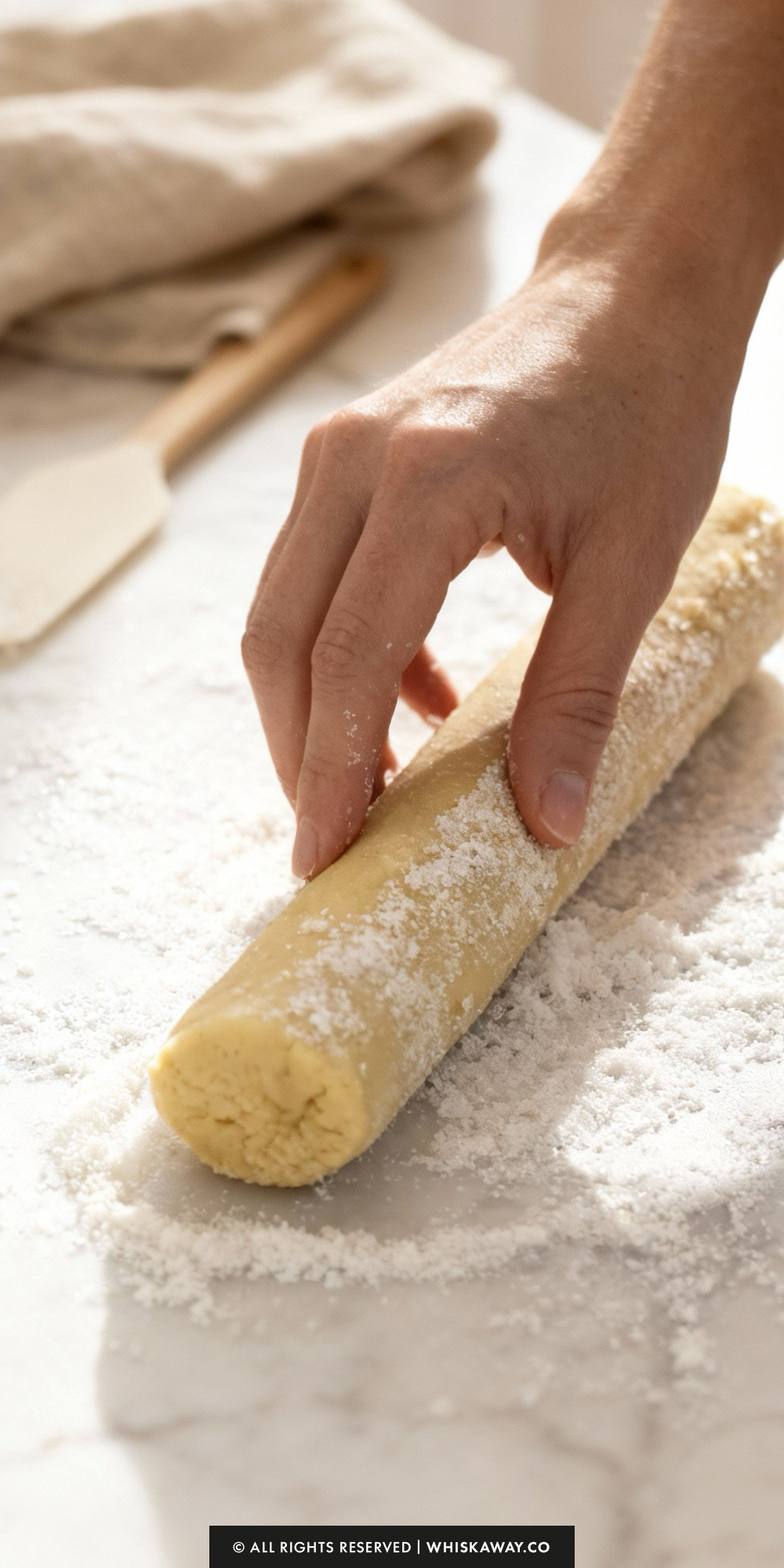
Rolling the chilled dough in sanding sugar before slicing gives a subtle crunch and a beautiful sparkle. It also adds a touch of sweetness that contrasts with the buttery interior.
Variation Tips
1. Flavor twists
- Citrus zest: Add 1–2 teaspoons of finely grated lemon, orange, or lime zest to the dough for a fresh, fragrant flavor.
- Extracts: Swap or combine vanilla with almond, coconut, or maple extract for a different aroma.
- Spices: Incorporate a pinch of cinnamon, nutmeg, cardamom, or ginger for a warm, cozy twist.
2. Chocolate additions
- Dipped cookies: Once baked and cooled, dip half of each cookie in melted dark, milk, or white chocolate and let it set.
- Chocolate chips: Fold in mini chocolate chips for a richer, sweeter variation.
- Cocoa dough: Replace 2–3 tablespoons of flour with cocoa powder to make chocolate-flavored butter cookies.
3. Nuts and seeds
- Fold in finely chopped almonds, pecans, or pistachios for added crunch and flavor.
- Sprinkle sesame seeds, poppy seeds, or finely shredded coconut on top before baking for a fun twist.
4. Texture tweaks
- Chewy: Slightly underbake by 1–2 minutes for a softer, chewier center.
- Crunchy: Bake a minute or two longer until edges are fully golden for a crispier cookie.
5. Dietary swaps
- Gluten-free: Replace all-purpose flour with a 1:1 gluten-free baking blend. Ensure it includes xanthan gum for structure.
- Dairy-free: Use vegan butter or coconut oil in place of unsalted butter. Keep in mind coconut oil may slightly alter flavor and texture.
- Sugar alternatives: Swap granulated sugar with coconut sugar or a suitable sugar substitute. Adjust baking time as needed for different moisture content.
6. Decorative options
- Roll in colored sanding sugar for festive occasions.
- Press a small chocolate chip, nut piece, or a sprinkle of coarse sugar on top before baking for added visual appeal.
Storage Tips
1. Room Temperature
- Store completely cooled cookies in an airtight container to keep them fresh.
- Layer cookies with parchment or wax paper to prevent sticking or breakage.
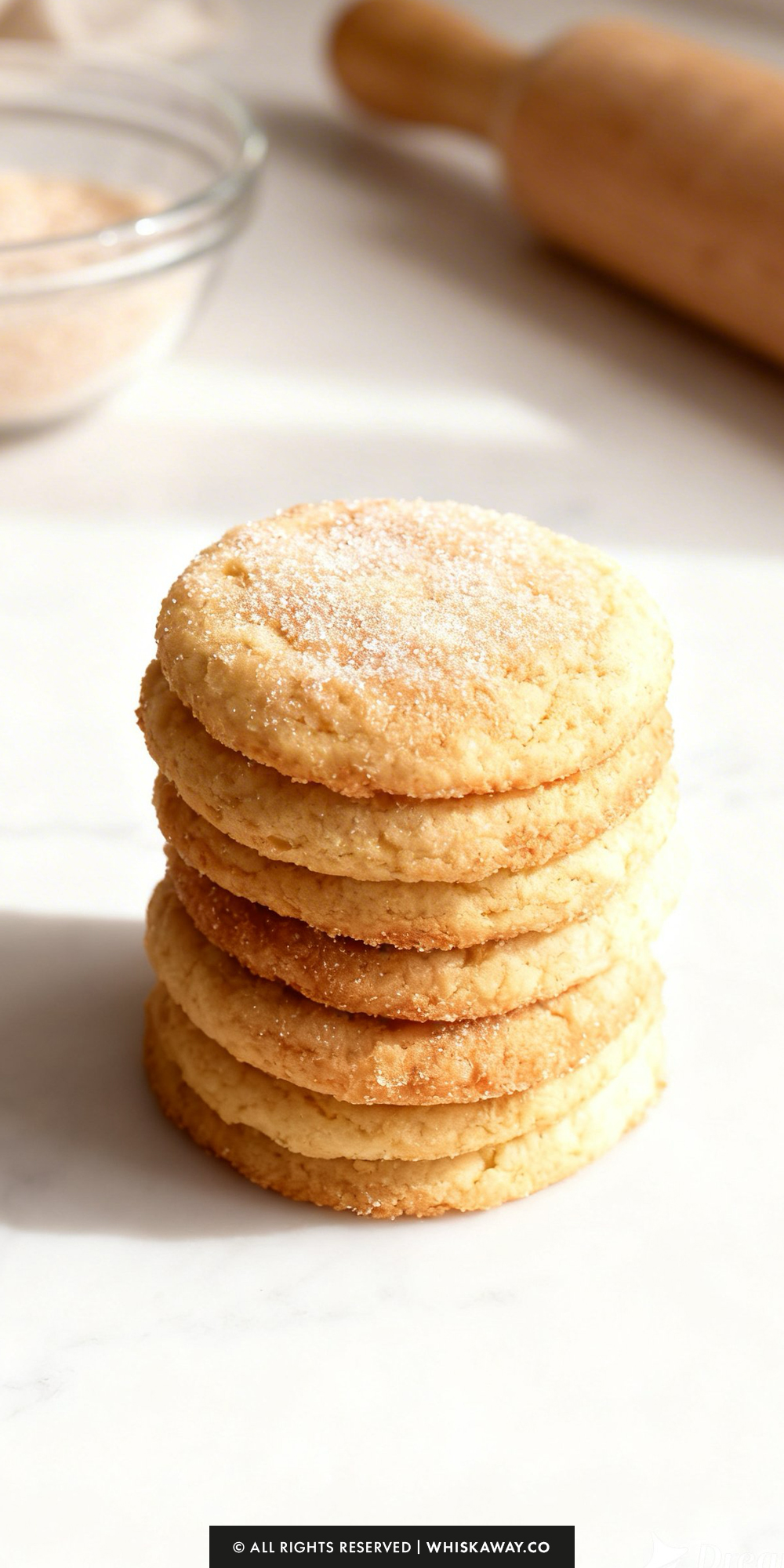
- At room temperature, butter cookies stay fresh and maintain their texture for up to 5–7 days. Avoid storing in direct sunlight or near heat sources, as this can soften or melt the butter.
2. Refrigeration
- For longer storage, place cooled cookies in an airtight container in the refrigerator.
- This is especially helpful if your cookies contain perishable fillings or toppings (like chocolate or cream-based decorations).
- Refrigerated butter cookies can last up to 2 weeks, but note that refrigeration may slightly firm the texture. Let them come to room temperature before serving for optimal flavor and tenderness.
3. Freezing
- Butter cookies freeze exceptionally well. Wrap individual cookies or cookie logs tightly in plastic wrap, then place them in a freezer-safe container or zip-top bag.
- Frozen butter cookies can last up to 3 months.
- To enjoy, thaw at room temperature for 15–20 minutes or warm briefly in a low oven (300°F / 150°C for 5–8 minutes) to refresh crisp edges and soften the center.
4. Packaging Tips
- Keep cookies airtight; exposure to air causes them to dry out quickly.
- Avoid stacking too many cookies without layers of parchment to prevent sticking or breaking.
- If storing multiple cookie varieties together, keep strongly flavored cookies separate to avoid flavor transfer.
5. Reheating & Refreshing
- If cookies lose their crispness, place them in a preheated oven at 300°F (150°C) for 5 minutes to restore texture.
- For softer cookies, warm them for 1–2 minutes and allow them to rest at room temperature—they’ll regain tenderness without becoming greasy.
Mistakes to Avoid
- Don’t store warm cookies in airtight containers otherwise they’ll trap moisture and become soggy.
- Avoid refrigerating or freezing in loosely sealed containers; this causes freezer burn or stale cookies.
- Avoid stacking decorated cookies without proper separation; icing may smudge or stick.
Save for Later To Your Pinterest Board

FAQs
Can I substitute the all-purpose flour with another type of flour?
Yes, you can experiment with whole wheat flour, almond flour, or gluten-free flour blends. Keep in mind that whole wheat or alternative flours may slightly change the texture and flavor. For best results, use a 1:1 gluten-free flour blend if avoiding gluten.
Can I replace the unsalted butter with margarine or a dairy-free alternative?
Yes, dairy-free butter or margarine works, but the flavor and texture may be slightly different. Choose a high-fat, solid butter alternative for the closest results. Avoid using liquid oils, as they will make the dough too soft and change the cookie structure.
How do I prevent butter cookies from spreading too much while baking?
Chill the dough for at least 30–60 minutes before baking. Make sure to cut even slices and bake on a parchment-lined sheet. Avoid overly soft butter or dough at room temperature, as this causes excessive spreading.
How long do butter cookies last, and what’s the best way to store them?
Butter cookies stay fresh for 5–7 days at room temperature in an airtight container. For longer storage, refrigerate for up to 2 weeks or freeze for up to 3 months. Always store completely cooled cookies to maintain texture.
Can I decorate butter cookies, and what’s the best approach?
Yes! Butter cookies are perfect for royal icing, glaze, or sanding sugar. Decorate after cookies have cooled completely. If using icing, allow it to set fully before stacking or storing to prevent smudging.
Butter Cookies
16
cookies15
minutes10
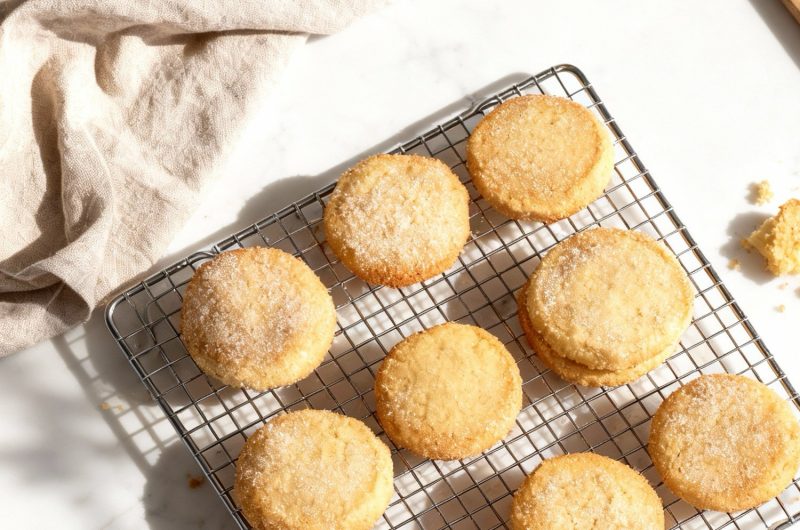
minutesThis butter cookies recipe gives you crisp, buttery treats with a delicate flavor that pairs perfectly with tea or coffee.
Ingredients
2 cups (240g) all-purpose flour
1 cup (227g) unsalted butter, room temperature
1/2 cup (100g) granulated sugar
2 egg yolks
1/3 cup sanding sugar
2 tsp (5mL) vanilla extract
1/2 tsp (3g) salt
Directions
- In a stand mixer fitted with a paddle attachment, beat together the butter, sugar, and salt until the mixture is light, creamy, and fluffy.
- Add the egg yolks one at a time, mixing until fully incorporated. Scrape down the sides of the bowl as needed to ensure even mixing.
- Stir in the vanilla extract until evenly combined.
- Gradually add the flour and mix on low speed just until a soft dough forms. Avoid overmixing.
- Shape the dough into a log. Wrap it tightly in parchment paper or plastic wrap and chill in the refrigerator for at least 1 hour. For extra support and to prevent the log from flattening, consider placing it inside an empty cardboard paper towel roll.
- Once chilled, sprinkle sanding sugar onto a clean surface. Remove the dough from the wrap and gently roll it in the sugar until coated.
- Using a sharp knife, slice the dough into even rounds.
- Arrange the cookies on a baking sheet lined with parchment paper, spacing them slightly apart. Bake in a preheated oven at 350°F (177°C) for 10–12 minutes, or until the edges are just beginning to turn golden.
- Allow cookies to cool on the baking sheet for a few minutes before transferring them to a wire rack to cool completely.