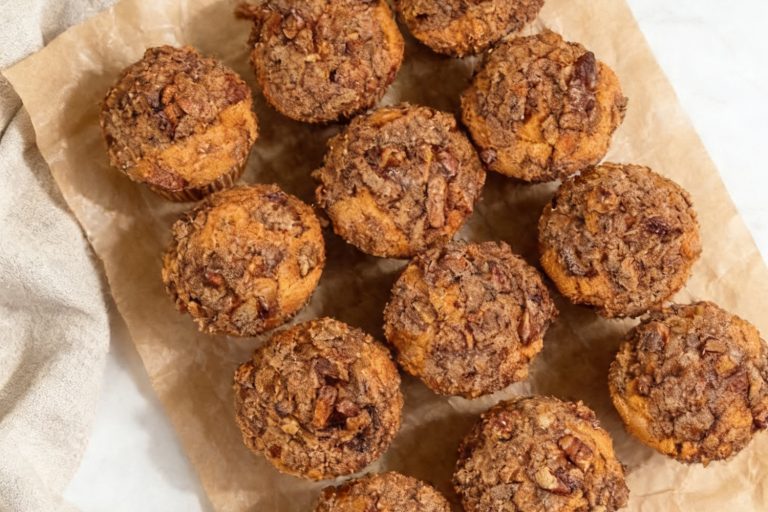
As the cool autumn breeze sweeps in and gives way to chilly winter mornings, holiday baking season officially takes over the kitchen. While traditional flavors like comforting pumpkin spice, crisp apple cinnamon, and zesty gingerbread frequently dominate the seasonal spotlight, the vibrant, tangy profile of the humble cranberry is a remarkably underrated gem that deserves its own brilliant moment of celebration. When these brilliant pink, ruby-red berries are paired with the bright, sun-kissed essence of citrus, they create an exceptional culinary synergy that wakes up your morning routine. This comprehensive guide breaks down the essential food science and master-level strategies behind creating spectacular, towering bakery-style cranberry orange muffins using a legendary, field-tested base structure. By understanding the chemical purpose behind your core kitchen staples—from the tenderizing power of dairy to the precise lifting capabilities of dual-acting leaveners—you will consistently achieve professional, crowd-pleasing results that elevate your domestic breakfast or brunch menu into a true artisanal experience.
🔥
Why You’ll Love These Cranberry Orange Muffins
This exceptionally reliable breakfast formulation expertly bridges the delicate line between a classic rustic morning pastry and an elegant, celebratory afternoon tea dessert. By relying on a masterfully balanced ratio of moisture-retaining wet components to structurally sound dry additions, this versatile method guarantees tall, beautifully domed tops with an intensely flavorful profile.
- Vibrant Flavor Synergy: Every single bite offers an exciting burst of tart, juicy cranberries balanced against a sweet backdrop of citrus oils and a delicate whisper of cozy cinnamon spice.
- Unmatched Structural Convenience: You have the complete freedom to utilize fresh or frozen cranberries without needing to adjust the core baking times or step-by-step preparation workflows.
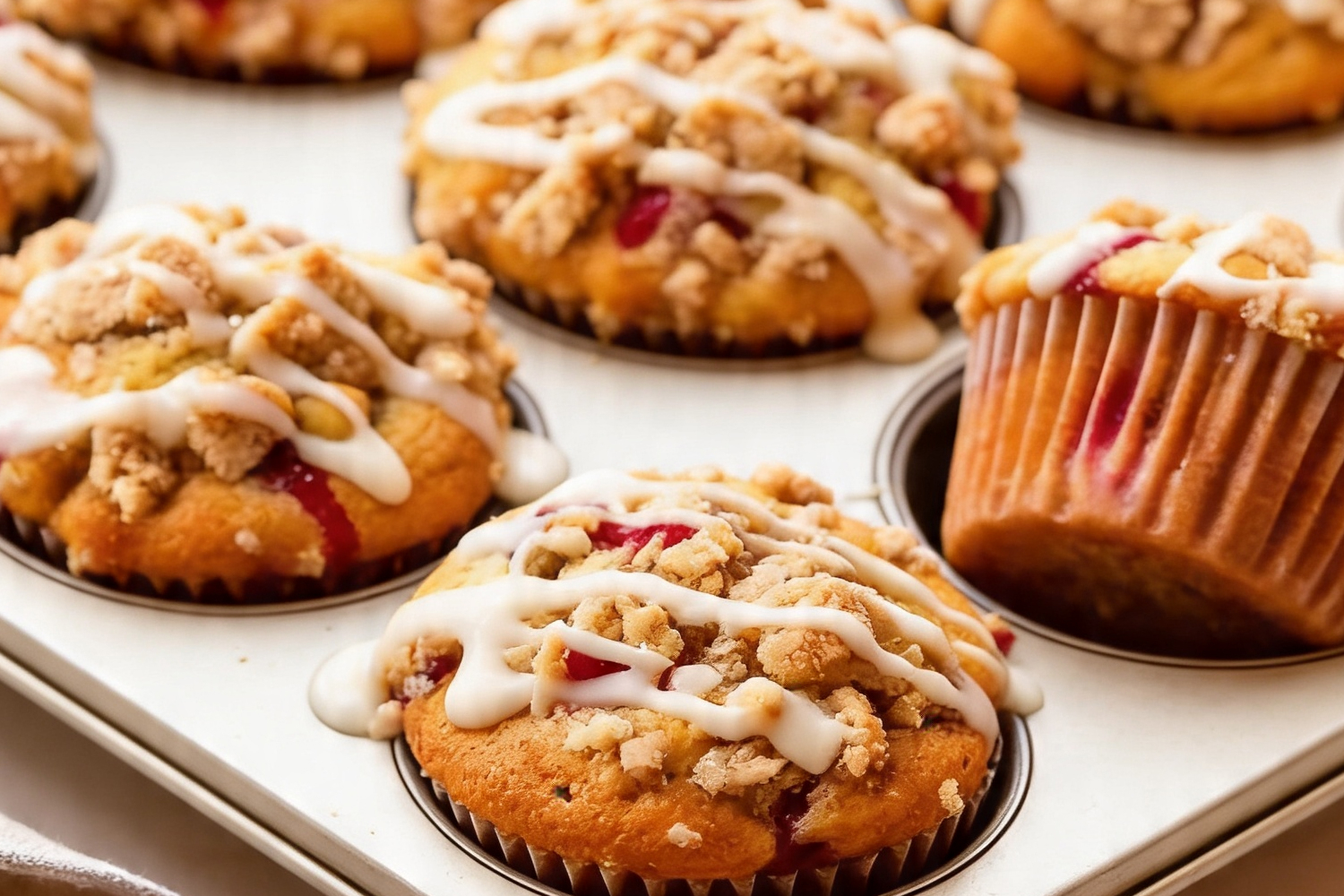
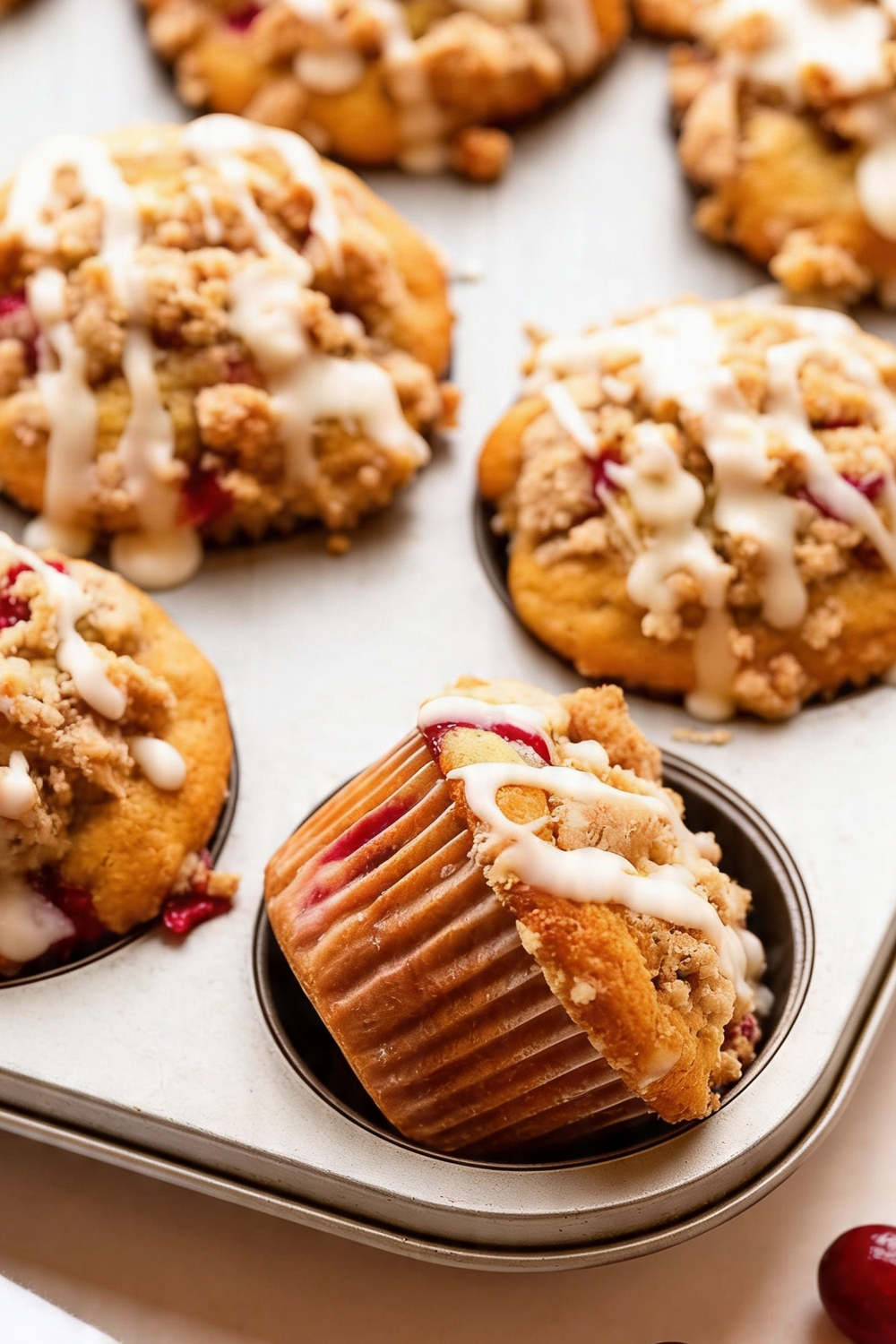
- Luxurious Dual-Textured Finishes: The soft, pillowy, cake-like interior contrasts with a crunchy brown sugar crumble topping or an elegant dusting of coarse sparkling sugar.
- Reliable High-Rising Architecture: The ultra-thick, expertly balanced batter ensures your pastries rise straight up in the oven rather than spilling horizontally over the sides of the muffin pan.
- Effortless Make-Ahead Preservation: These resilient pastries maintain their incredible moisture level and freeze beautifully for up to three months for quick morning meals.
Ingredients Breakdown
- Light or dark brown sugar: Provides deep, foundational moisture due to its natural molasses content, which also introduces a complex caramel note to the crumb topping and the structural interior.
- Granulated sugar: Cuts through the fat of the butter during the mechanical creaming process, creating pocket air structures that encourage a light, aerated rise while adding clean sweetness.
- Ground cinnamon: Introduces an essential layer of aromatic warmth that bridges the gap between the sharpness of the winter berries and the sweet notes of the batter.
- Unsalted butter: Offers precise control over the overall sodium content of your bake while delivering a luxurious, velvety mouthfeel and providing the necessary fat to coat flour proteins.
- All-purpose flour: Forms the core gluten framework of the pastry; utilizing a spooned and leveled measurement technique ensures the batter remains light and cakey rather than dense or tough.
- Baking soda: Acts as a swift chemical leavening agent that reacts instantly upon contact with the acidic elements in the batter, producing carbon dioxide gas to lift the heavy mixture.
- Baking powder: Provides a secondary, continuous double-acting thermal rise during the baking process to ensure the tall muffin domes stay perfectly upright and lofty.
- Salt: Sharpens and intensifies the natural sweetness of the sugars while cutting through the sharp tartness of the citrus juice and the raw berries.
- Orange zest: Contains concentrated, aromatic essential citrus oils that impart a robust and long-lasting flavor throughout the final crumb without altering the moisture balance.
- Large eggs: Supply essential structural proteins that bind the emulsion together while contributing natural emulsifiers for a uniform, premium texture.
- Plain yogurt or sour cream: Introduces a thick, heavy dose of lactic acidity that breaks down tough gluten bonds, resulting in an incredibly tender, melt-in-your-mouth crumb.
- Pure vanilla extract: Functions as a background flavor enhancer that rounds out the sharp angles of the citrus and the naturally astringent forest fruits.
- Fresh orange juice: Introduces a bright splash of liquid acidity to activate the primary chemical leaveners while thinning the thick batter to a spreadable consistency.
- Milk: Adds subtle hydration and natural sugars to encourage beautiful, even browning across the exterior crust while keeping the interior crumb highly accessible.
- Fresh or frozen cranberries: Provide the starring burst of refreshing sourness and a gorgeous, eye-catching magenta color that cuts beautifully through the sweet, buttery base.
- Coarse sparkling sugar: Offers an alternative professional finish that delivers a clean crunch and a beautiful, glittering display on un-crumbled muffin tops.
- Confectioners’ sugar: Dissolves seamlessly into cold liquids to form a smooth, glossy glaze that sets firmly on warm pastries without leaving behind any gritty, undesirable textures.
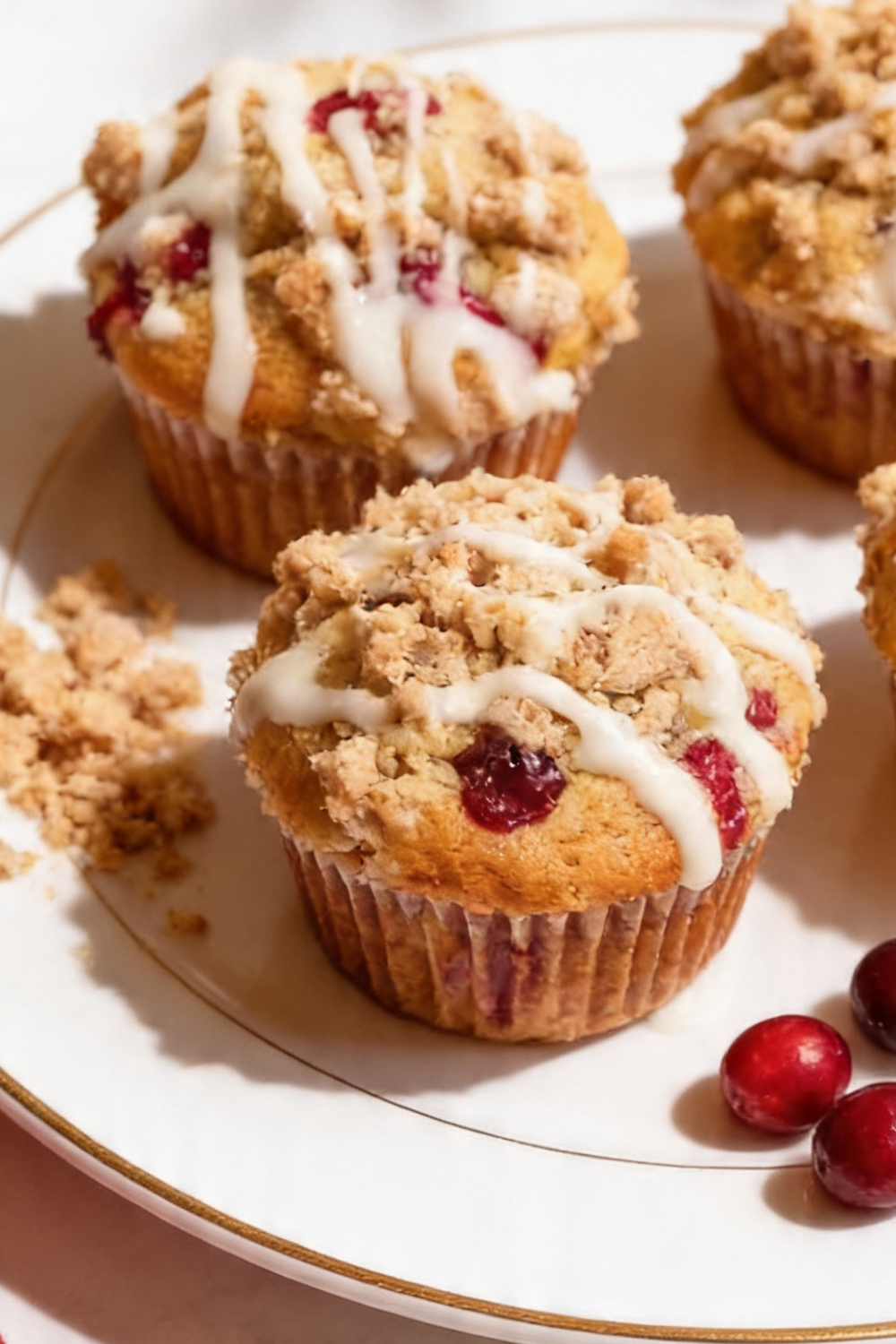
Tips To Get Your Recipe Right
- Commit to the Two-Temperature Bake: Start your oven journey at a high temperature of 425 degrees Fahrenheit for the initial five minutes of baking to rapidly activate the chemical leaveners and expand water vapor. Without opening the oven door, immediately lower the temperature setting down to 350 degrees Fahrenheit for the remainder of the cooking window. This thermal shift locks in a towering dome while cooking the interior completely through without burning the delicate base.
- Chill the Crumb Topping Elements: Mix your crumb topping with melted butter and a fork just until small clumpy stones form, then transfer the bowl to the refrigerator while preparing the main batter. Keeping the streusel cold prevents the butter within the crumbs from melting too quickly in the oven, ensuring the pieces hold their distinctive crisp shape instead of melting down into a smooth paste.
- Enforce Room Temperature Emulsions: Ensure your eggs, sour cream, yogurt, milk, and butter are all sitting completely at room temperature before you start mixing. Cold dairy elements will instantly seize up creamed butter fats, causing the batter to separate or curdle, which ultimately prevents a smooth, uniform, cake-like rise.
- Execute the Spoon and Level Protocol: Never scoop your measuring cup directly into the flour container, as this compresses the grains and introduces up to twenty-five percent excess flour to the bowl. Instead, fluff your flour with a spoon, gently transfer it into the measuring device, and sweep a flat knife across the top edge for a perfectly light, accurate measurement.
- Prevent the Frozen Fruit Thaw: If you are choosing to use frozen winter fruits, never allow them to sit on the counter or thaw out before mixing. Fold them directly into the thick batter straight from the freezer environment; thawing causes the juices to bleed excessively, turning your beautiful yellow citrus dough into a muddy gray or purple mess.
- Fill Your Liners to the Absolute Max: Unlike traditional cupcake baking where you fill cups halfway, this thick, structured formulation requires you to spoon the batter all the way up to the top rim of your paper liners. The high density of the mix prevents it from spilling out over the pan, forcing the expanding air to drive the pastry straight upward into a beautiful bakery dome.
- Incorporate Zest Into the Creaming Phase: Add your fresh citrus zest directly into the mixing bowl along with the solid butter and sugars during the initial three-minute creaming step. The friction of the moving sugar crystals actively tears open the tiny oil cells within the rind, releasing maximum aromatic flavor throughout the fat base before the dry items arrive.
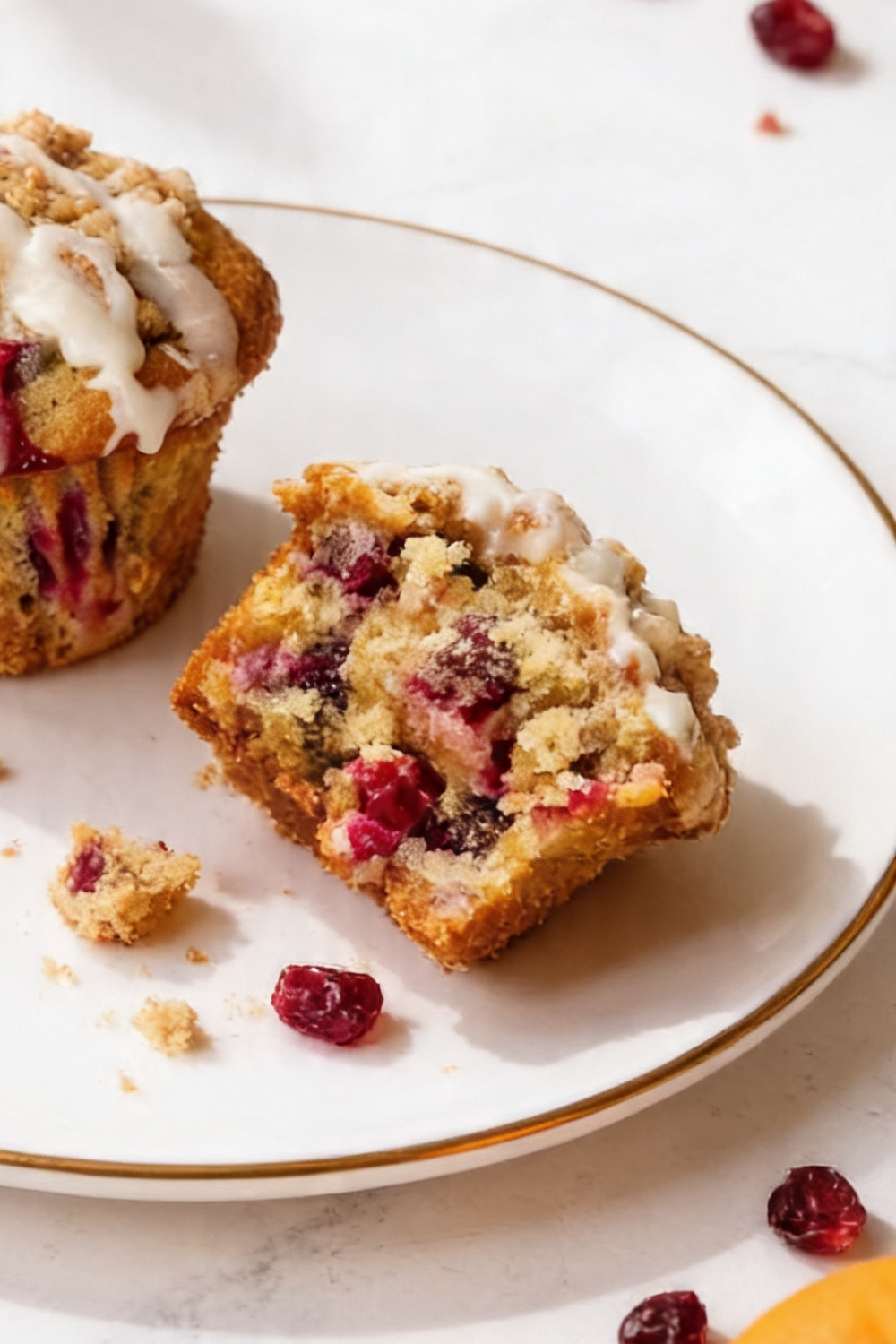
Storage Tips
- Room Temperature Countertop Security: Place fully cooled pastries into an airtight food storage container lined with a clean sheet of paper towel, then layer another paper towel across the tops before sealing. The paper will absorb any rising moisture that escapes the fruit, keeping your crumb toppings from turning soft over a three-day window.
- Extended Refrigeration Preservation: If you prefer to keep your pastries cool or live in a highly humid environment, store them in a sealed container inside the refrigerator for up to one full week. To restore that fresh-out-of-the-oven softness, simply microwave a cold unit for roughly twelve to fifteen seconds right before eating.
- Long-Term Deep Freeze Stacking: Wrap individual unglazed or plain pastries tightly in plastic cling wrap, then stack them together inside a heavy-duty zip-top freezer bag for up to three months. This separate wrapping technique protects the delicate surface structure from freezer burn while allowing you to thaw out single portions as needed.
- Strategic Glaze Postponement: If you are planning to freeze a large batch of pastries for future events, always wait to apply the fresh sweet orange icing until after you thaw them out completely. Thawing frozen glaze causes the sugar crystals to break down into a sticky, wet liquid layer that ruins the texture of the crumb topping.
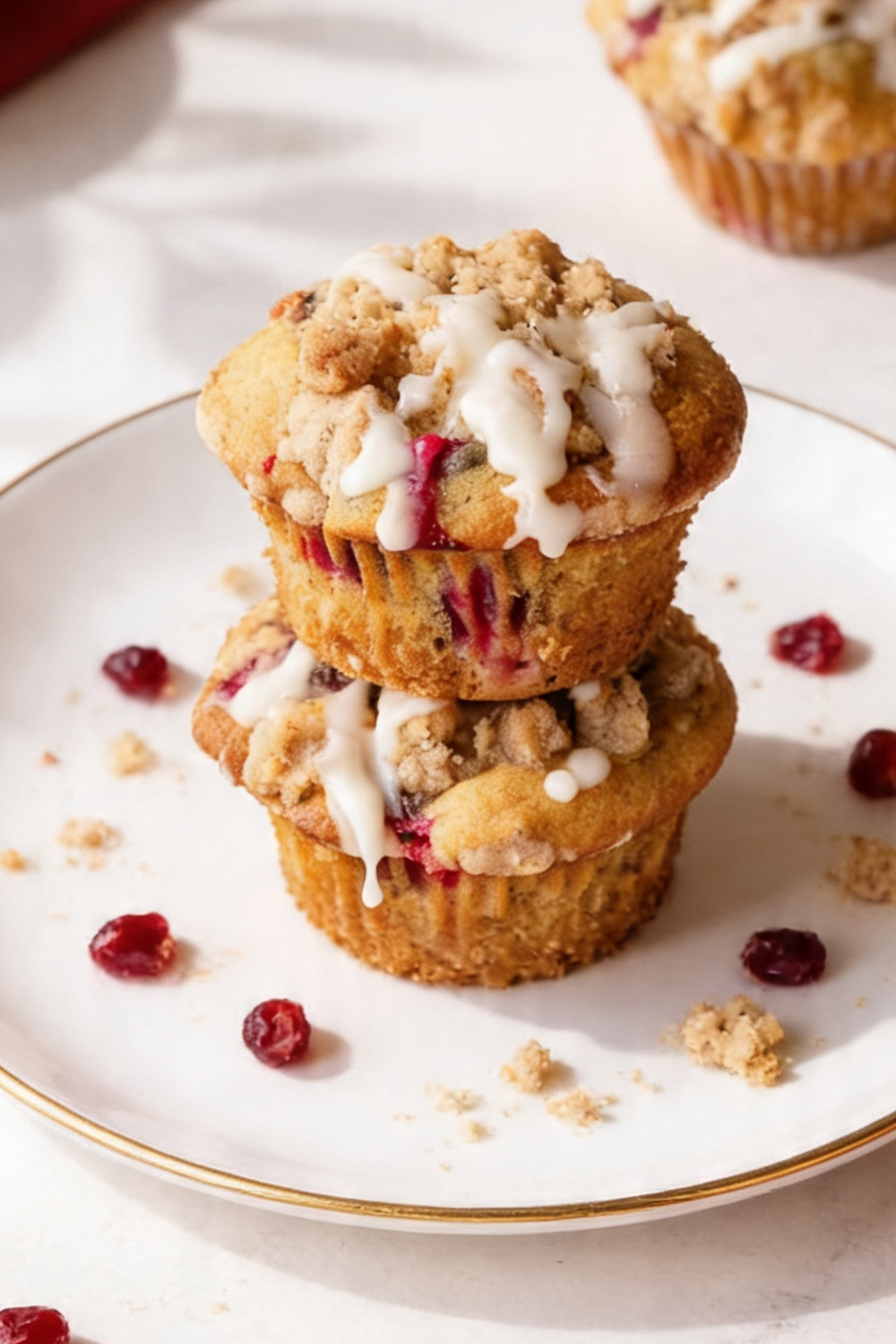
FAQs
Can I substitute dried cranberries if fresh or frozen varieties are out of stock?
Yes, you can successfully use dried options in this formulation. To do so, reduce the total fruit volume to one cup to account for the condensed sweetness and lack of water content. For the absolute best mouthfeel, soak the dried fruits in warm water or orange juice for roughly ten minutes, then drain and dry them thoroughly with a paper towel before folding them into your bowl.
Why did my crumb topping turn into a smooth, thick paste instead of distinct crunchy crumbs?
This common hurdle occurs when the topping ingredients are overmixed or if the butter used was too hot. When combining flour, sugar, and melted butter, utilize a gentle hand and a regular kitchen fork to stir the items just until small stones form. If you overwork the flour proteins or let the fat melt completely into the grains, it forms a cohesive cookie dough texture instead of a crumbly streusel.
Is it safe to substitute the sour cream with Greek yogurt, and will it change the final muffin dome?
You can swap sour cream with plain Greek yogurt at an exact one-to-one ratio with excellent success. Both options provide the essential lactic acidity required to break down tough gluten networks for a cake-like crumb. For the most luxurious flavor and highest dome, opt for full-fat or low-fat varieties; completely nonfat versions can sometimes make the interior feel slightly less rich.
Why did my muffins spread outwards like wide mushroom tops instead of rising straight up?
This problem is typically caused by a thin batter or an incorrect initial oven temperature setting. If you accidentally added too much liquid or didn’t fill the cups completely to the top rim, the expanding gases will push the dough horizontally. Make sure your initial oven temperature is set to a hot 425 degrees Fahrenheit to lock in the outer perimeter walls instantly, forcing the expanding interior batter to push straight upward.
My glaze is incredibly thin and soaking directly into the pastry. How do I fix the consistency?
A runny glaze occurs when there is a tiny bit too much liquid juice relative to the confectioners’ sugar. To achieve a thick, opaque drizzle that sits beautifully on top of your pastries, add your juice slowly, one teaspoon at a time. If it becomes too thin, whisk in additional confectioners’ sugar one tablespoon at a time until the mixture coats the back of a spoon cleanly. Also, ensure your pastries have cooled down for at least fifteen minutes before applying the glaze, as hot crusts will melt it instantly.
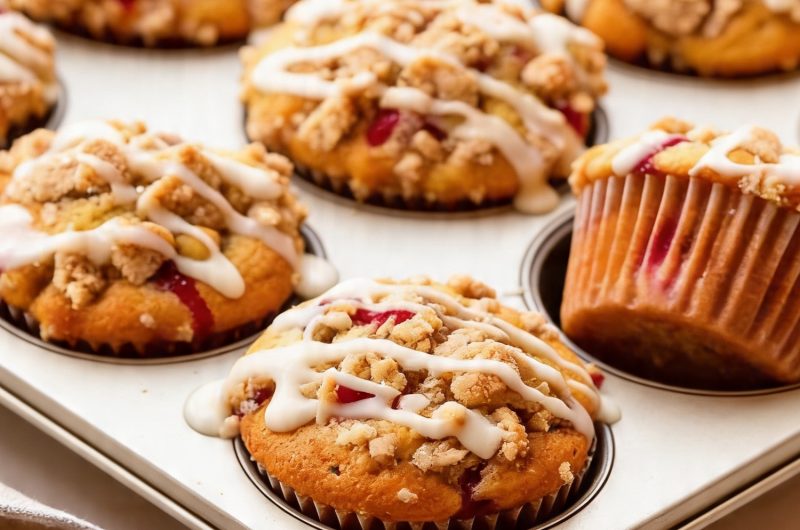
Cranberry Orange Muffins
12
muffins20
minutes23
minutesWhen these brilliant pink, ruby-red berries are paired with the bright, sun-kissed essence of citrus, they create an exceptional culinary synergy that wakes up your morning routine.
Ingredients
- Crumb Topping
2/3 cup (83g) all-purpose flour (spooned & leveled)
1/3 cup (67g) packed light or dark brown sugar
1/4 cup (4 Tbsp; 56g) unsalted butter, melted
1 Tablespoon (15g) granulated sugar
1/2 teaspoon ground cinnamon
- Muffins
1 and 3/4 cups (219g) all-purpose flour (spooned & leveled)
1 and 1/2 cups (185g) fresh or frozen cranberries (do not thaw)
1/2 cup (120g) plain yogurt or sour cream (room temperature)
1/2 cup (8 Tbsp; 113g) unsalted butter (softened to room temperature)
1/2 cup (100g) granulated sugar
1/4 cup (50g) packed light or dark brown sugar
2 Tablespoons (30ml) fresh orange juice
2 Tablespoons (30ml) milk (any kind, room temperature)
2 large eggs (room temperature)
2 teaspoons pure vanilla extract
1 Tablespoon orange zest (from about 2 oranges)
1 teaspoon baking soda
1 teaspoon baking powder
1/2 teaspoon ground cinnamon
1/2 teaspoon salt
optional: coarse sparkling sugar, for sprinkling on top (if not using crumb topping)
- Orange Icing
1 cup (120g) confectioners’ sugar
2 Tablespoons (30ml) fresh orange juice
Directions
- Start by heating your oven to 425°F (218°C). Prepare a standard 12-cup muffin tin by greasing it thoroughly with baking spray or inserting paper liners, then place it to the side.
- To prepare the streusel, combine both sugars, the ground cinnamon, and the melted butter in a small dish. Once blended, toss in the flour and use the prongs of a fork to stir the mixture until it breaks into small clumps. Be careful not to blend it too much, or it will turn into a doughy paste. Chill the topping in the fridge while you prepare the main batter, as cold streusel keeps its texture better in the oven.
- To begin the muffin batter, stir the flour, baking powder, baking soda, cinnamon, and salt together in a medium-sized bowl, then set it aside.
- In a larger bowl, use an electric mixer to blend the softened butter with the white and brown sugars on high speed for roughly 3 minutes until the texture is light and fluffy, making sure to scrape the sides of the bowl occasionally. Mix in the fresh orange zest at medium speed for about a minute. Next, add the eggs, sour cream or yogurt, and vanilla extract, beating for another minute before cranking the mixer to high until everything is fully incorporated and smooth, even if it looks slightly separated at this stage.
- Lower the mixer speed and gently add the flour mixture, orange juice, and milk, mixing just until the dry ingredients disappear into the wet. Use a spatula to carefully fold the cranberries into the resulting thick batter, taking care not to over-work it.
- Divide the thick batter evenly among the prepared muffin cups, filling them right to the brim. Distribute the chilled streusel over each muffin, pushing down slightly so the pieces adhere to the top. If you prefer to skip the streusel, just give the tops a generous dust of coarse sugar instead.
- Slide the pan into the oven and bake at 425°F for exactly 5 minutes, then turn the heat down to 350°F (177°C) without cracking the oven door open. Let them bake for another 16 to 19 minutes, or until an inserted toothpick emerges without any wet batter. Expect a total baking time of 21 to 24 minutes, though they usually finish on the quicker side if they don't have the crumb topping.
- Let the baked muffins sit in the hot tin for 5 minutes before lifting them onto a cooling rack. Give them at least 15 minutes to cool down further before you begin glazing them.
- To make the glaze, briskly whisk the powdered sugar and fresh orange juice together until smooth, then drizzle it over the muffins while they are still warm or completely cooled.
- You can store these muffins in an airtight container on the counter for a few days, or keep them in the fridge for up to a full week.
There are no reviews yet. Share your thoughts above!