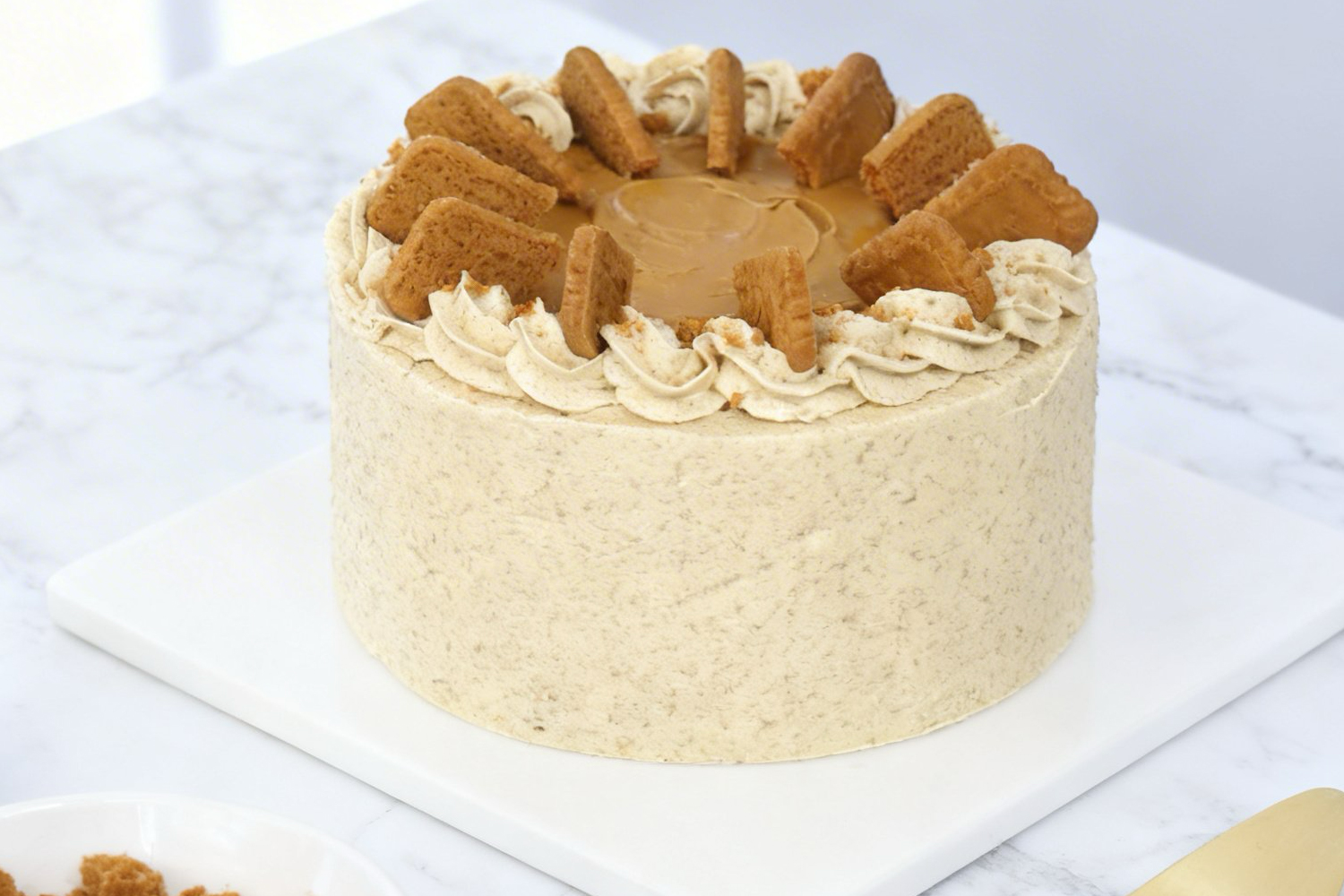
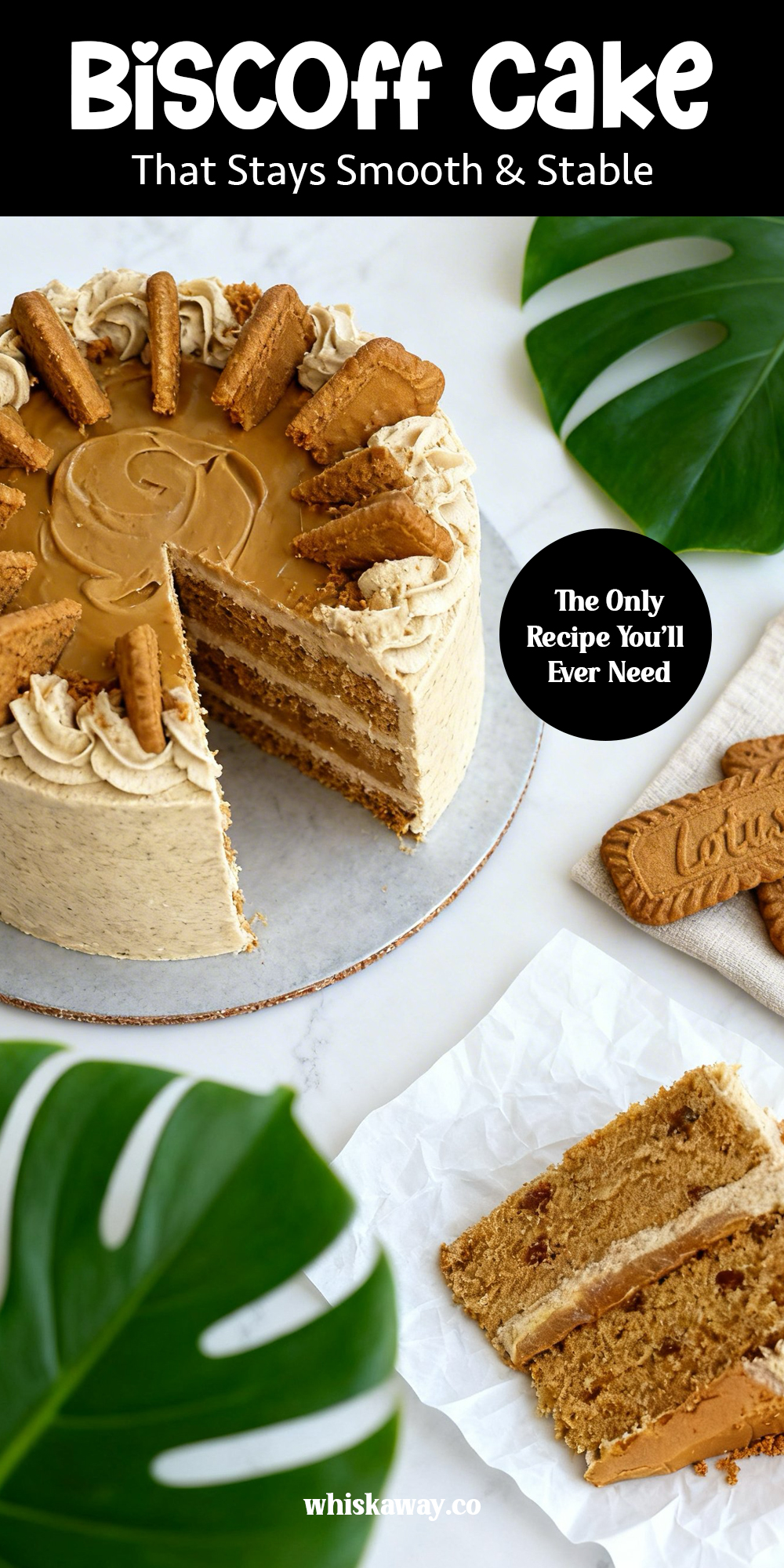
Rich cookie butter flavor transforms a simple cake into Biscoff cake, a dessert that feels indulgent yet approachable. The tender, moist crumb carries subtle caramel and spiced undertones reminiscent of the iconic spread, creating a unique balance of warmth and sweetness in every bite. Topped with creamy frosting or cookie crumble, it’s a visually appealing dessert that impresses without requiring complicated techniques. Baking Biscoff cake at home is straightforward, producing a soft, flavorful cake that’s perfect for sharing at gatherings, brunches, or cozy evenings. Each slice melts gently in the mouth, offering comfort and decadence in equal measure. The combination of sweet, spiced, and buttery flavors makes Biscoff cake a crowd-pleasing treat, providing a familiar yet elevated dessert experience that’s versatile for any occasion.
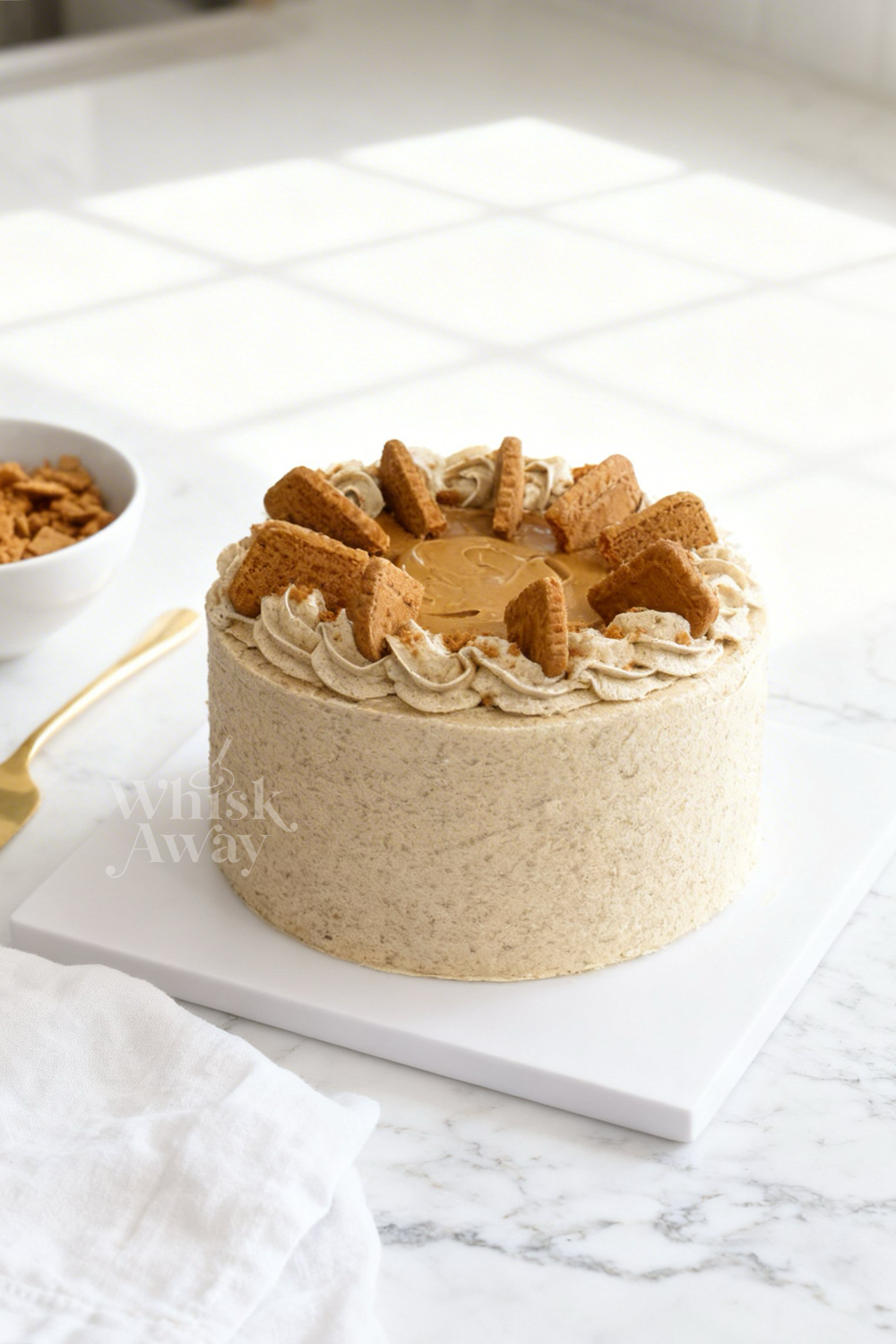
🔥 This biscoff cake is rich, spiced, and slightly caramelized, making it incredibly indulgent. If you enjoy that flavor profile:
- Churro Cake – leans into cinnamon-sugar warmth
- Coffee & Walnut Cake – adds a deeper, roasted note
- Chocolate Peanut Butter Cake – for a richer, more decadent pairing
Why You’ll Love This Biscoff Cake
With the caramelized Biscoff flavor, this cake delivers cozy, spiced sweetness you’ll definitely love.
- Buttery sponge layers paired with cookie butter frosting
- Subtle caramel spice notes throughout
- Easy to decorate for casual or festive occasions
- Perfect for cookie butter fans seeking a dessert upgrade
- Rich yet balanced for everyday indulgence
Save This Pin for Later to Your Pinterest Board
Ingredients
Cake Ingredients
- All-purpose flour: Provides structure and forms the cake’s framework.
- Buttermilk: Adds moisture, slight tang, and reacts with leavening for a tender crumb.
- Light brown sugar: Sweetens while contributing a mild caramel flavor and moisture.
- Biscoff cookies: Adds subtle cookie flavor and texture in the batter.
- Biscoff spread: Imparts rich, spiced caramel flavor and keeps the cake moist.
- Unsalted butter: Adds richness, flavor, and tenderness to the cake.
- Vegetable oil: Keeps the cake soft and moist without strong flavor.
- Cornstarch: Lightens the cake, giving a softer, finer crumb.
- Eggs: Bind ingredients, provide structure, and help the cake rise.
- Baking powder: Leavening agent to ensure the cake rises properly.
- Vanilla extract: Enhances overall sweetness and flavor depth.
- Ground cinnamon: Adds warmth and complements the Biscoff flavor.
- Baking soda: Reacts with acidic ingredients for lift and tenderness.
- Salt: Balances sweetness and enhances flavor.
Biscoff Buttercream Ingredients
- Powdered sugar: Provides sweetness and structure for a smooth frosting.
- Unsalted butter: Adds richness and creamy texture to the frosting.
- Biscoff cookies: Infuses the buttercream with spiced cookie flavor.
- Biscoff spread: Enhances flavor depth and creaminess.
- Milk or heavy cream: Adjusts consistency for a smooth, pipeable texture.
- Vanilla extract: Boosts sweetness and overall flavor.
- Salt: Balances sweetness and prevents the buttercream from tasting flat.
Extra
- Biscoff spread (for filling/topping): Adds a decadent layer of flavor and moisture.
- Extra Biscoff cookies: Provides decoration and a crunchy texture contrast.
Tips To Get Your Recipe Right
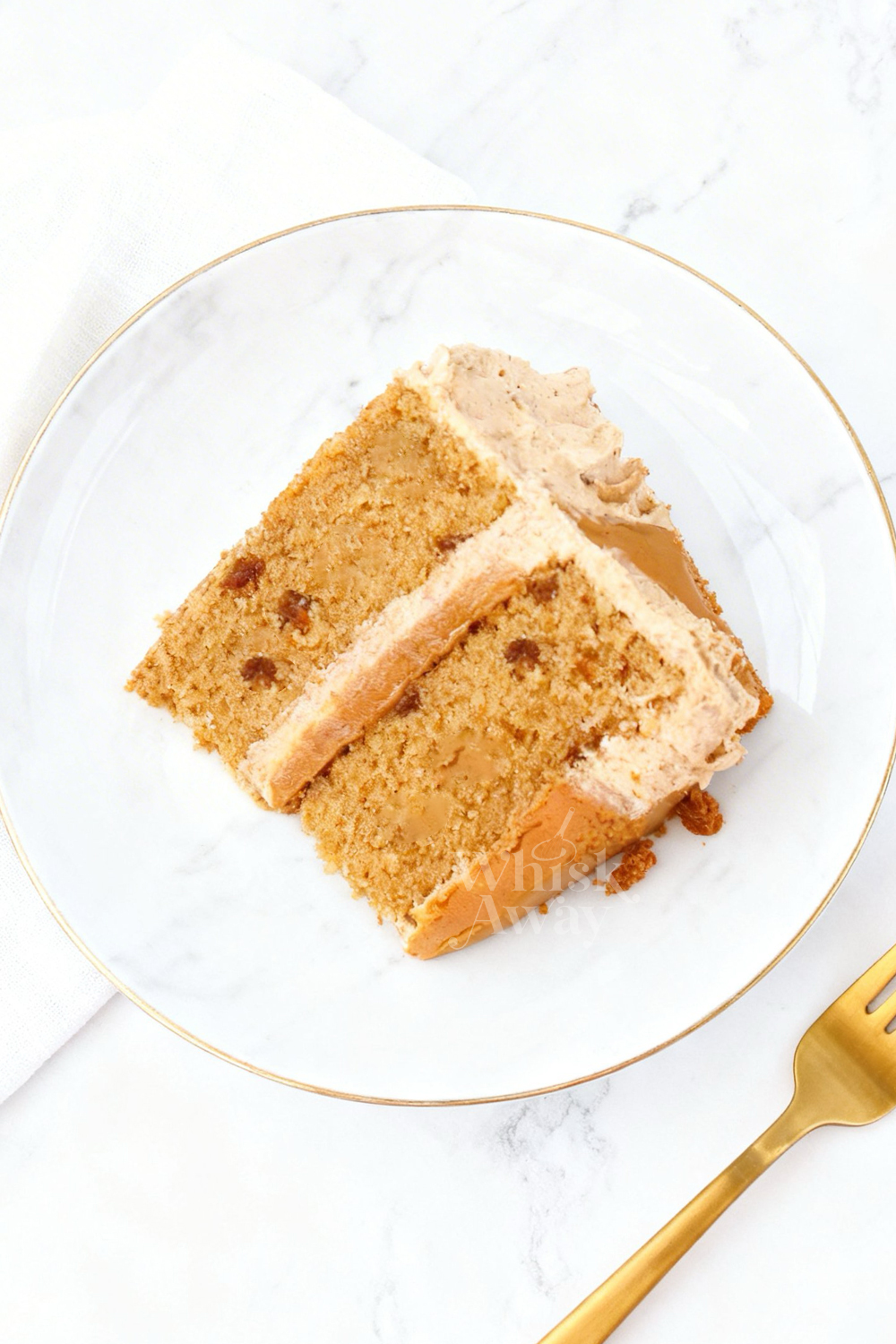
- Keep all ingredients at room temperature: Cold butter, eggs, or buttermilk can cause the batter to clump and create a dense, greasy sponge instead of a light, airy one.
- Fold by hand once the flour and buttermilk are added: Using a spatula instead of a mixer prevents overworking the batter, which is the main reason cakes turn tough or rubbery.
- Leave cookie pieces in varied sizes: Pebble-sized chunks create soft, flavorful pockets in the cake, while turning cookies to dust will make them disappear entirely into the batter.
- Whip your buttercream longer than expected: Running the mixer for around ten minutes dissolves the sugar completely and incorporates air, giving a smooth, fluffy frosting that holds its shape.
- Cool your melted Biscoff spread before assembling: If it’s still warm, it will melt the frosting “dam,” causing it to spill over the sides. Chilling the cake layers slightly also makes stacking and decorating much easier.
Storage Tips
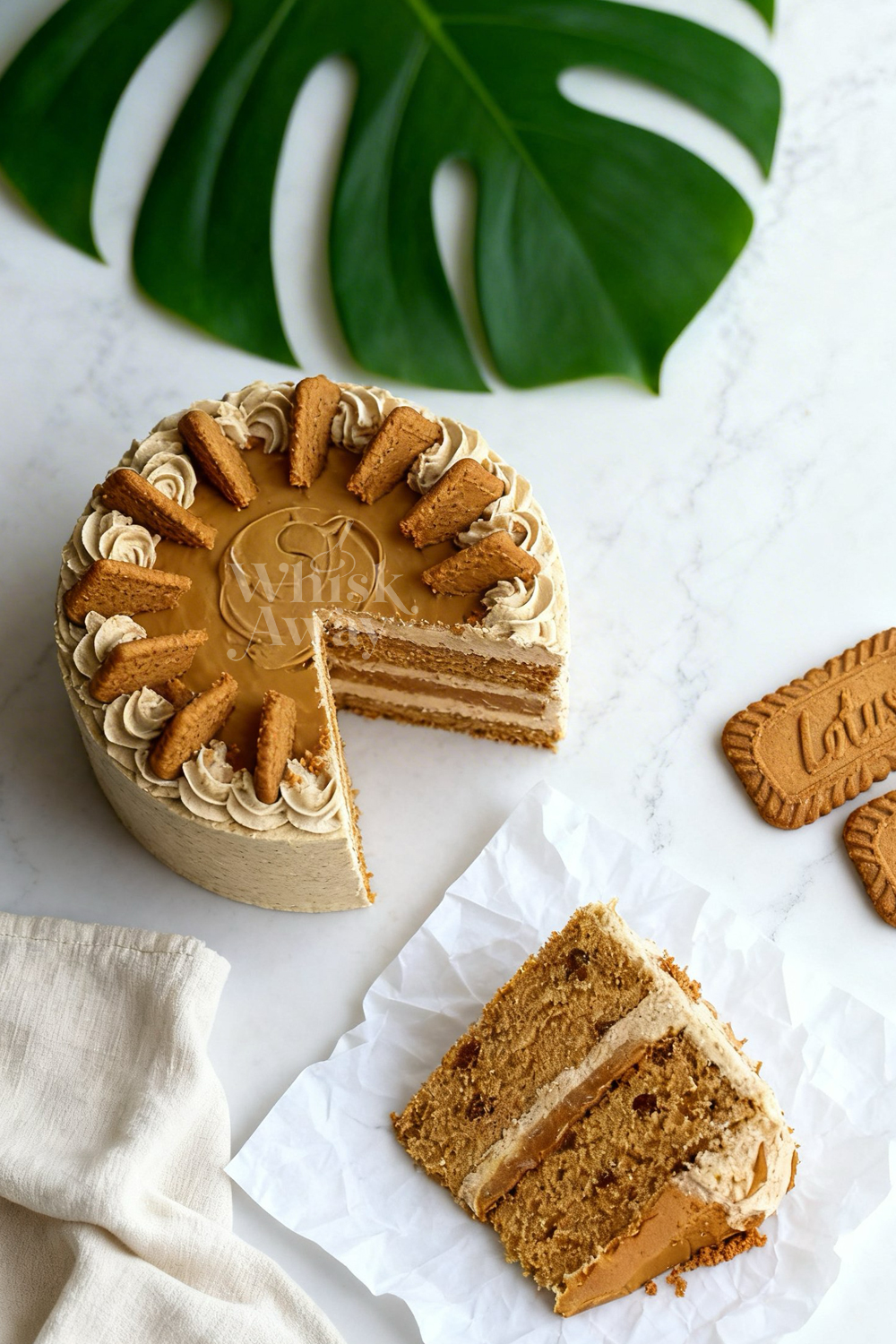
- Keep at room temperature for 1–2 days: Store the cake under a glass dome or large overturned bowl. This preserves the soft sponge and keeps the buttercream smooth and spreadable.
- Refrigerate in warm or humid kitchens: Place the cake in an airtight container for up to 5 days. Allow slices to sit at room temperature for at least an hour before eating so the frosting softens and the sponge feels light.
- Freeze individual slices for long-term storage: Lay slices on a plate in the freezer for about an hour until the frosting hardens. Wrap each slice tightly in plastic wrap and foil. Thaw in the fridge overnight before serving.
- Add cookie decorations last: Biscoff cookies absorb moisture quickly. Place them on the cake right before serving to keep them crisp.
- Protect cut edges: Press parchment paper against the exposed sponge to lock in moisture. Avoid wrapping the cake while still warm to prevent condensation from making the frosting soggy.
FAQs
Can I use crunchy Biscoff spread instead of smooth?
You can definitely use the crunchy version if that is what you have in the pantry. It will add a little extra texture to your cake layers and frosting. If you want a perfectly smooth buttercream, you should stick to the creamy spread, but the crunchy one tastes just as delicious and works exactly the same way in the recipe.
Can I bake the cake layers a day ahead of time?
Yes, making the layers ahead of time actually makes assembling the dessert much easier. Once the baked layers are completely cool, wrap them tightly in plastic wrap and keep them at room temperature overnight. Chilled or rested cake layers are much firmer, which means they will not tear or crumble when you start spreading the thick buttercream over them.
Why did my buttercream split and look curdled?
Buttercream usually separates when your ingredients are at different temperatures. If your butter is room temperature but your milk or cookie butter spread is cold, the mixture will curdle and look chunky. To fix it, just keep whipping the frosting on high speed for a few extra minutes. The friction from the mixer will warm everything up and bring it back together into a smooth spread.
How long does this cake stay fresh?
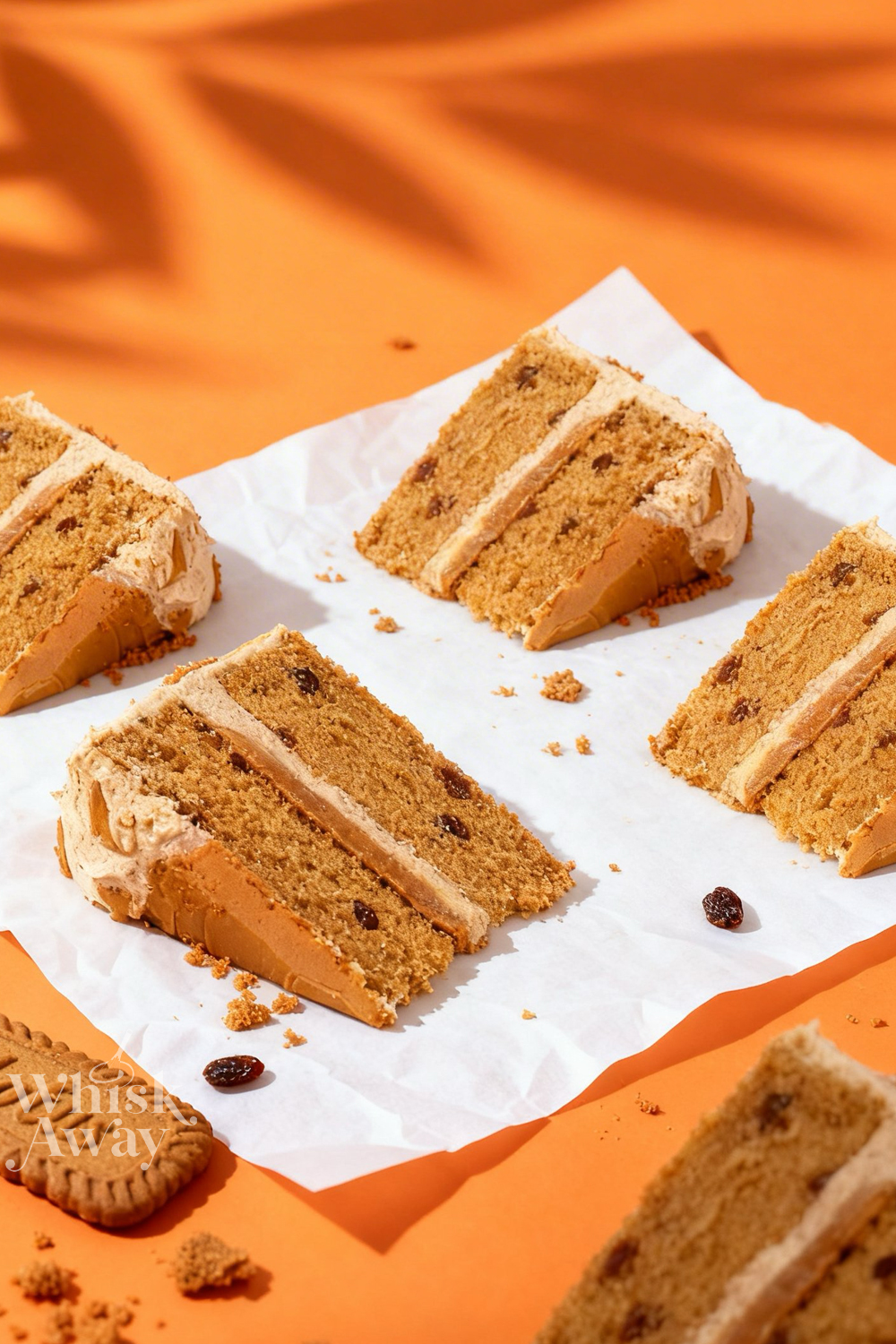
A frosted Biscoff cake will stay soft and fresh for about two days on the counter. If you need it to last longer, you can keep it in the fridge for up to five days. Just remember to take your slice out about an hour before you want to eat so the chilled buttercream has time to soften up again.What is the best way to serve this dessert?
What is the best way to serve this dessert?
Because this cake is incredibly rich and packed with sweet caramel and cinnamon flavors, it pairs perfectly with a hot cup of black coffee or tea. Serve it at room temperature so the sponge is at its softest and the frosting melts right in your mouth.
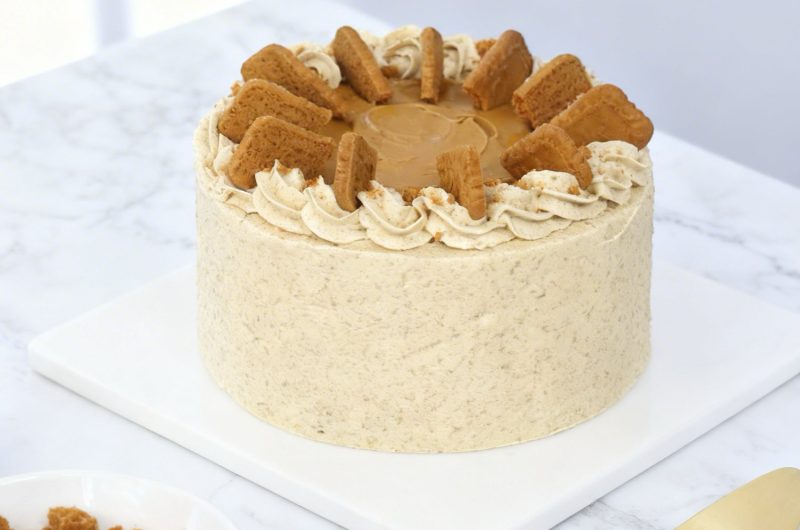
Biscoff Cake
12
servings20
minutes40
minutes1
hourThis biscoff cake is spiced, caramel-flavored, and perfect for cookie lovers.
Ingredients
- Biscoff Cake
2 ⅓ Cups (300 G) All-Purpose Flour
1 ¼ Cups (280 G) Buttermilk (Room Temperature)
1 ¼ Cups (250 G) Soft Light Brown Sugar (Firmly Packed)
15 Individual Biscoff Cookies (Plain)
½ Cup (130 G) Biscoff Spread (Smooth)
½ Cup (113 G) Unsalted Butter (Room Temperature)
½ Cup (105 G) Unflavored Vegetable Oil
¼ Cup (30 G) Cornstarch
3 Large Eggs (Room Temperature)
2 Tsps Baking Powder
2 Tsps Vanilla Extract
1 Tsp Ground Cinnamon
½ Tsp Baking Soda
½ Tsp Salt
- Biscoff Buttercream
2 ¾ Cups (350 G) Powdered Sugar
1 ½ Cups (340 G) Unsalted Butter (Room Temperature)
15 Individual Biscoff Cookies (Blended To Fine Crumbs)
¼ Cup (70 G) Biscoff Spread (Smooth)
1 ½ Tbsp Milk Or Heavy Cream
1 ½ Tsps Vanilla Extract
¼ Tsp Salt
- Extra
⅔ Cup Biscoff Spread (Smooth, For Filling And Topping)
Extra Biscoff Cookies (For Decorating)
Directions
- Set your oven to 180°C (350°F). Grease two 8-inch cake pans and line the bottoms with parchment paper to make sure the cakes come out easily.
- Sift the flour, cornstarch, baking soda, baking powder, salt, and cinnamon into a bowl. Use a whisk to stir them together until everything is evenly distributed, then set it aside.
- In a large bowl, beat the butter, oil, and brown sugar for about 2 minutes. You are looking for a light and creamy texture.
- Mix in the eggs one at a time. Give each egg about 10 to 15 seconds of mixing before adding the next one.
- Stir in the Biscoff spread and vanilla until the mixture is smooth. At this point, put away your electric mixer; you will finish the rest by hand to avoid overworking the flour.
- Fold in half of your flour mixture with a spatula. Once that is mostly incorporated, fold in the buttermilk. Finally, add the rest of the dry ingredients and fold gently until you no longer see any white streaks.
- Use your hands to break the Biscoff cookies into small pieces and fold them into the batter.
- Divide the batter between your two pans. Smooth the tops and tap the pans on the counter to release any big air bubbles.
- Bake for 37 to 40 minutes. A toothpick stuck in the middle should come out clean or with just a few moist crumbs.
- Let the cakes sit in their pans for 20 minutes. Run a thin knife around the edges to loosen them, then flip them onto a wire rack to cool completely.
- Pulse 15 Biscoff cookies in a blender or food processor until they turn into fine crumbs.
- Put the powdered sugar, butter, vanilla, salt, and milk into a large bowl.
- Start your mixer on the lowest speed so the sugar doesn't fly everywhere. Once it is combined, turn the speed up to medium-high and let it mix for a full 10 minutes. This long mixing time makes the buttercream very light and fluffy.
- Add the Biscoff spread and your cookie crumbs to the bowl. Mix on medium speed until the frosting is uniform.
- Briefly heat up your extra Biscoff spread until it is easy to pour, then let it sit for a moment so it is not hot.
- Use a serrated knife to trim the tops of your cake layers so they are perfectly flat. Place one cake on your stand and spread a good amount of buttercream over the top.
- Use a piping bag with a 1M tip to pipe a ring of frosting around the very edge of the layer. This acts as a wall to keep the filling from leaking out. Pour 1/3 cup of the room-temperature Biscoff spread into the middle of the frosting ring.
- Place the second cake layer on top. Cover the entire cake in buttercream, using a scraper to smooth the sides if you want a clean look.
- Pipe a border around the top edge with your remaining frosting. Fill the center with the rest of the Biscoff spread and decorate with extra cookies.