
Is there anything more refreshing than a sweet, tangy slice of lemon drizzle cake? The tender cake absorbs a syrupy lemon drizzle, giving every bite a light, citrusy burst that feels indulgent without being heavy. Baking it at home is straightforward, and the finished dessert is perfect for tea time, brunch, or a mid-afternoon snack. Its airy texture and bright flavor make it appealing to both citrus lovers and those looking for a lighter, sophisticated cake. The drizzle soaks gently into the soft layers, keeping the cake moist and flavorful while creating a delicate balance between sweetness and tang. Lemon drizzle cake is a treat that combines comfort and elegance in every bite, offering a fresh, zesty flavor that’s hard to resist.

🔥 This lemon drizzle cake is bright, zesty, and incredibly satisfying with its syrup-soaked finish. If citrus-forward bakes are your thing, you’ll want to explore:
- Lemon Blueberry Dump Cake – combines citrus with juicy berries for a softer, spoonable dessert
- White Cake with Vanilla Buttercream – a neutral base you can easily adapt with lemon flavors
- Strawberry Funfetti Cake – adds fruitiness with a more playful presentation
Why You’ll Love This Lemon Drizzle Cake
Once the layers are stacked and frosted, it’s easy to see why this cake is a showstopper
- Vibrant red layers with a tender, moist crumb
- Smooth, tangy cream cheese frosting balances sweetness
- Perfect for birthdays, anniversaries, or special celebrations
- Beautifully striking when sliced, making each piece photogenic
- A classic southern dessert that feels indulgent yet approachable
Save This Pin for Later to Your Pinterest Board

Ingredients
For the Cake
- Self-raising flour: Provides structure while keeping the cake light and fluffy.
- Caster sugar: Sweetens the cake and helps create a fine, tender crumb.
- Unsalted butter: Adds richness, moisture, and a soft, tender texture.
- Eggs: Bind ingredients together and provide structure while keeping the cake airy.
- Lemon zest: Adds bright, citrusy flavor and aroma to enhance the cake’s freshness.
For the Drizzle
- Icing sugar: Sweetens and combines with lemon juice to create a smooth, tangy glaze that seeps into the cake for added flavor and moisture.
Tips To Get Your Recipe Right
- Drizzle at the Right Temperature: Pour the syrup when the cake is warm, about 10–15 minutes out of the oven. Too hot and the sugar melts away; too cold and the liquid won’t soak in.
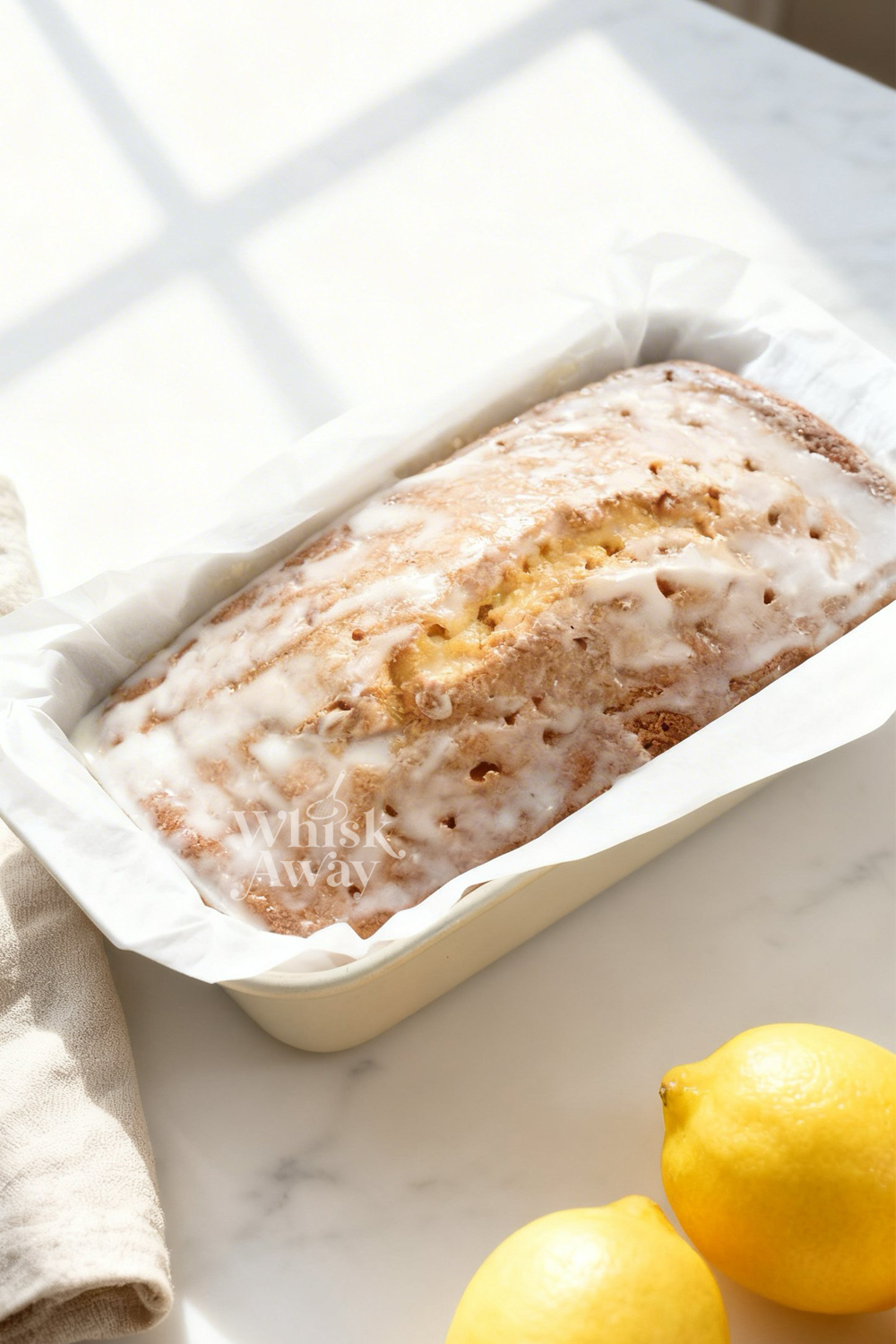
- Skewer Strategically: Use a fine skewer to poke holes throughout the cake at 1-inch intervals. This allows the syrup to penetrate evenly, creating vertical veins of flavor instead of just a wet top.
- Slow and Even Pour: Add the lemon syrup gradually, spooning it over the surface and letting it absorb before adding more. This prevents pooling at the base and keeps the texture consistent.
- Use Fresh Lemons: Always zest before juicing, and never substitute bottled lemon juice. Fresh fruit provides essential oils and bright flavor that make the cake vibrant and aromatic.
- Handle the Batter Gently: Once the ingredients are combined, stop mixing. Over-beating develops gluten, which can turn a light, tender sponge into a dense, bready loaf.

Storage Tips
- Keep it at room temperature: Store the cake in an airtight container in a cool, dry place. It stays fresh for several days and actually tastes better the next day as the lemon flavor spreads evenly through the cake.
- Let the cake cool before storing: Always wait until the cake is completely cold before covering it. Trapping heat can create moisture, which will make the sugar topping soft and sticky instead of crisp.
- Avoid covering the top too tightly: If the lemon topping is slightly sticky, do not press plastic wrap directly on it. Use a container with a lid to protect the surface and keep the crust intact.
- Keep it away from heat and smells: Store the cake away from direct sunlight and strong food smells. The cake can absorb odors easily, which may affect its fresh lemon flavor.
- Warm gently if needed: If the cake becomes a bit firm after a few days, warm a slice for a few seconds only. This softens the texture without melting the sugary topping.

FAQs
Why did my cake sink in the middle?
The most common culprit is opening the oven door too early. Loaf cakes take a long time to build their structure; if a draft of cool air hits the cake before the center has fully set (usually before the 50-minute mark), it will collapse. It can also happen if you over-beat the batter, which incorporates too much air that eventually deflates.
Can I use granulated sugar instead of icing sugar for the drizzle?
Absolutely! In fact, many traditional British recipes prefer it. While icing sugar (powdered sugar) creates a smooth, opaque glaze that sinks easily into the sponge, granulated sugar dissolves less easily in the lemon juice. This leaves a wonderful, crackly, sugary crust on top of the cake that adds a fantastic crunch.
Do I need to keep my lemon drizzle cake in the fridge?
No, it is best kept at room temperature. Storing a sponge cake in the refrigerator alters the structure of the butter and starches, making the cake dense, dry, and stale much faster. Keep it in an airtight container on the counter, and it will stay perfectly moist for 4 to 5 days.
Can I use bottled lemon juice instead of fresh lemons?
It is highly recommended to use fresh lemons. You absolutely need the zest from fresh lemons for the cake batter to provide the aromatic citrus oils. Furthermore, bottled lemon juice often has a flat, slightly metallic taste that lacks the bright, sharp zing required to make a great drizzle.
How do I stop the drizzle from running down the sides and pooling at the bottom?
The key is the skewer method and patience. While the cake is still warm in the tin, poke holes all the way down to the bottom at 1-inch intervals. Then, pour the drizzle slowly. Spoon a little bit over the top, let it sink into the holes, and then spoon a little more. Keeping the cake in the tin while you do this ensures any runaway syrup is re-absorbed by the sides of the sponge.

Lemon Drizzle Cake
10
servings10
minutes1
hour15
minutesThis lemon drizzle cake is zesty, tender, and topped with a sweet lemon glaze.
Ingredients
- For The Cake
250 G (1.5 Cups) Self-Raising Flour
250 G (1 1/3 Cups) Caster Sugar
250 G (9 Oz) Unsalted Butter (Plus Extra For Greasing)
4 Medium Eggs
3 Lemons, Zest Only (Reserve The Fruit For The Drizzle Juice)
- For The Drizzle
100 G (0.5 Cups) Icing Sugar
Directions
- Bring your oven to 180°C (350°F), or 160°C for fan-assisted ovens.
- Lightly grease a loaf tin with butter and line it with parchment paper to ensure the cake doesn't stick once the sugary drizzle sets.
- Combine the butter, caster sugar, eggs, self-raising flour, and lemon zest in a large mixing bowl. Beat the mixture vigorously until the batter is completely smooth and uniform in color.
- Pour the batter into your lined tin and level the top with the back of a spoon. Place in the oven for approximately 1 hour and 15 minutes.
- Insert a skewer into the center; it should emerge clean. If the top is browning too quickly before the center is done, cover it loosely with a piece of foil for the final 20 minutes.
- While the cake is still piping hot and sitting in its tin, use a skewer or a thin knife to prick holes all over the surface, reaching down into the heart of the sponge.
- Sift the icing sugar into a small bowl and gradually whisk in the reserved lemon juice. You are looking for a runny, pourable paste. (Depending on the citrus, you’ll likely need the juice of about 1.5 lemons).
- Pour the glaze slowly over the warm cake. The holes will act as channels, allowing the tart syrup to soak deep into the crumb while the sugar stays on top to form a crisp, crackly crust.