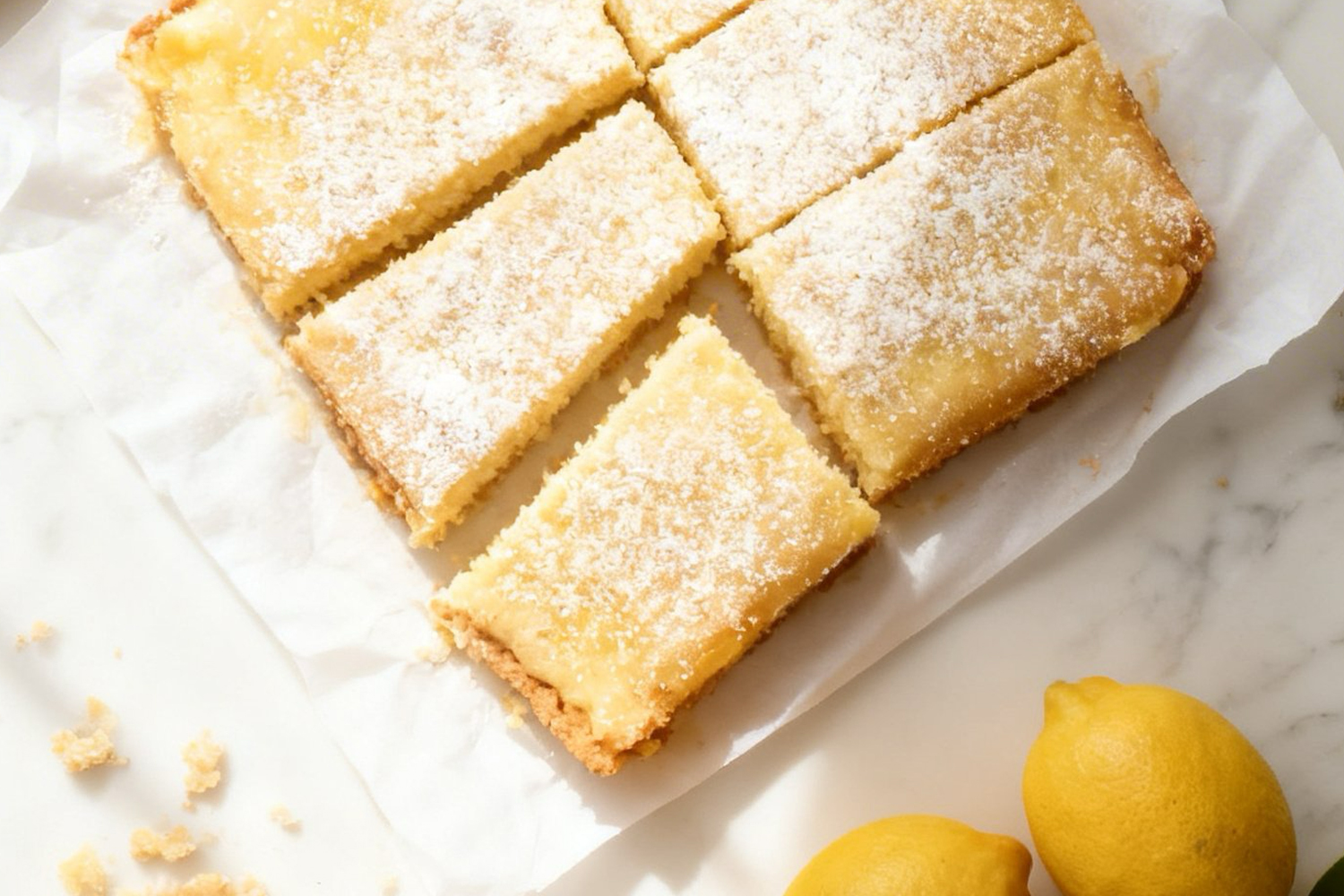
Bright, tangy, and perfectly balanced, these lemon bars with shortbread crust are a refreshing dessert for any occasion. This easy lemon bar recipe features a buttery shortbread base that’s crisp yet tender, topped with a zesty, smooth lemon filling that’s both sweet and tart. Whether you’re serving them at a summer picnic, a brunch gathering, or just enjoying a treat at home, these bars are a guaranteed hit. They’re simple enough for beginner bakers but impressive enough to share with guests. The combination of a sturdy shortbread crust and tangy lemon topping delivers a dessert that feels elegant and homemade at the same time. Make a batch today and enjoy the bright flavors that make lemon bars a classic favorite for every season.
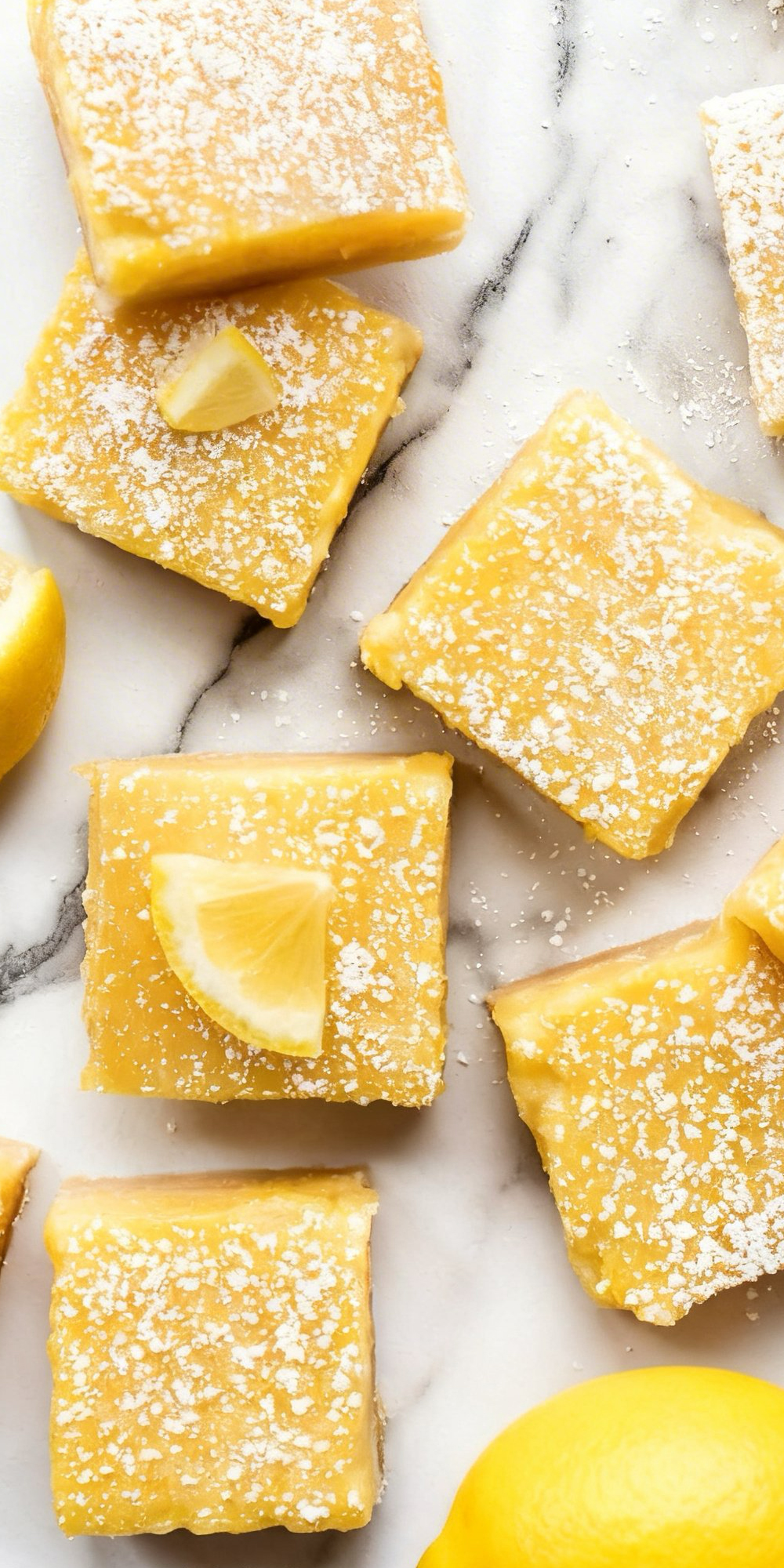
🔥 That bright citrus filling and buttery base make these bars incredibly refreshing, especially when paired with similar flavor profiles. Lemon Blueberry Blondie Bars offer a sweeter, fruit-studded variation with bursts of juicy berries, while Raspberry White Chocolate Oat Bars balance tartness with creamy sweetness and a hearty texture. For a slightly richer take, Raspberry Cheesecake Brownie Bars combine tangy fruit with a smooth, creamy layer.
Why You’ll Love These Lemon Bars With Shortbread Crust
With their sunny citrus flavor and buttery base, these bars bring a refreshing contrast to richer desserts.
- Tangy lemon filling delivers bright, vibrant taste.
- Melt-in-your-mouth shortbread crust adds delicate crunch.
- Sweet and tart balance keeps them light and craveable.
- Pretty powdered sugar topping makes them presentation-ready.
- Ideal for spring gatherings, picnics, or afternoon treats.
Save This Pin for Later to Your Pinterest Board

Ingredients
- All-purpose flour: This is what gives your crust that perfectly crisp base. Spoon and level it for accuracy—your bars will thank you. Chilling the dough for 10–15 minutes before baking can make the crust even flakier!
- Unsalted butter: Melted butter is easy to mix, but if you want an extra buttery, slightly flaky crust, try cubed cold butter and work it in quickly with your fingers. Unsalted gives you control over the saltiness.
- Granulated sugar: Sweetens the crust just enough without overpowering the tangy lemon. Pro tip: Don’t skip this, even if the filling is very sweet—your crust needs a little love too!
- Vanilla extract: Adds a gentle warmth that makes the buttery base taste richer. Pure vanilla will make a noticeable difference.
- Salt: Just a pinch balances flavors and enhances the lemon filling. Even tiny amounts matter here.
- Lemon Filling:
- Granulated sugar: Sweetens and balances the tart lemon flavor. If you like a sharper bite, reduce it slightly, but keep enough so the filling sets well.
- Lemon juice: Freshly squeezed is best! Bottled juice works in a pinch, but fresh lemons make the bars taste bright and sunny.
- Eggs: These are the magic that thickens the filling while keeping it silky. Make sure they’re at room temperature for smooth incorporation.
- Confectioners’ sugar (optional): A light dusting after baking makes the bars look bakery-fancy and adds a subtle sweetness.
Tips To Get Your Recipe Right
- Use a glass or ceramic pan: Lemon juice is very acidic and can react with metal pans, giving a metallic taste or dull color. Always bake lemon bars in a glass or ceramic dish for the cleanest flavor.
- Pour filling on warm crust: Add the lemon filling while the shortbread crust is still warm. This helps the layers stick together and prevents the top from sliding off.
- Dock the crust: Poke small holes in the crust with a fork to stop it from puffing up and to give the lemon layer something to grip.
- Cool completely before cutting: Lemon bars need 3–4 hours of cooling (room temperature then fridge) so the filling sets and the edges stay clean. Cutting too soon will make the filling run.
- Use fresh lemons and sift ingredients: Fresh lemon juice gives bright flavor, and sifting the sugar and flour prevents clumps in the filling for a smooth, silky top.
Storage Tips
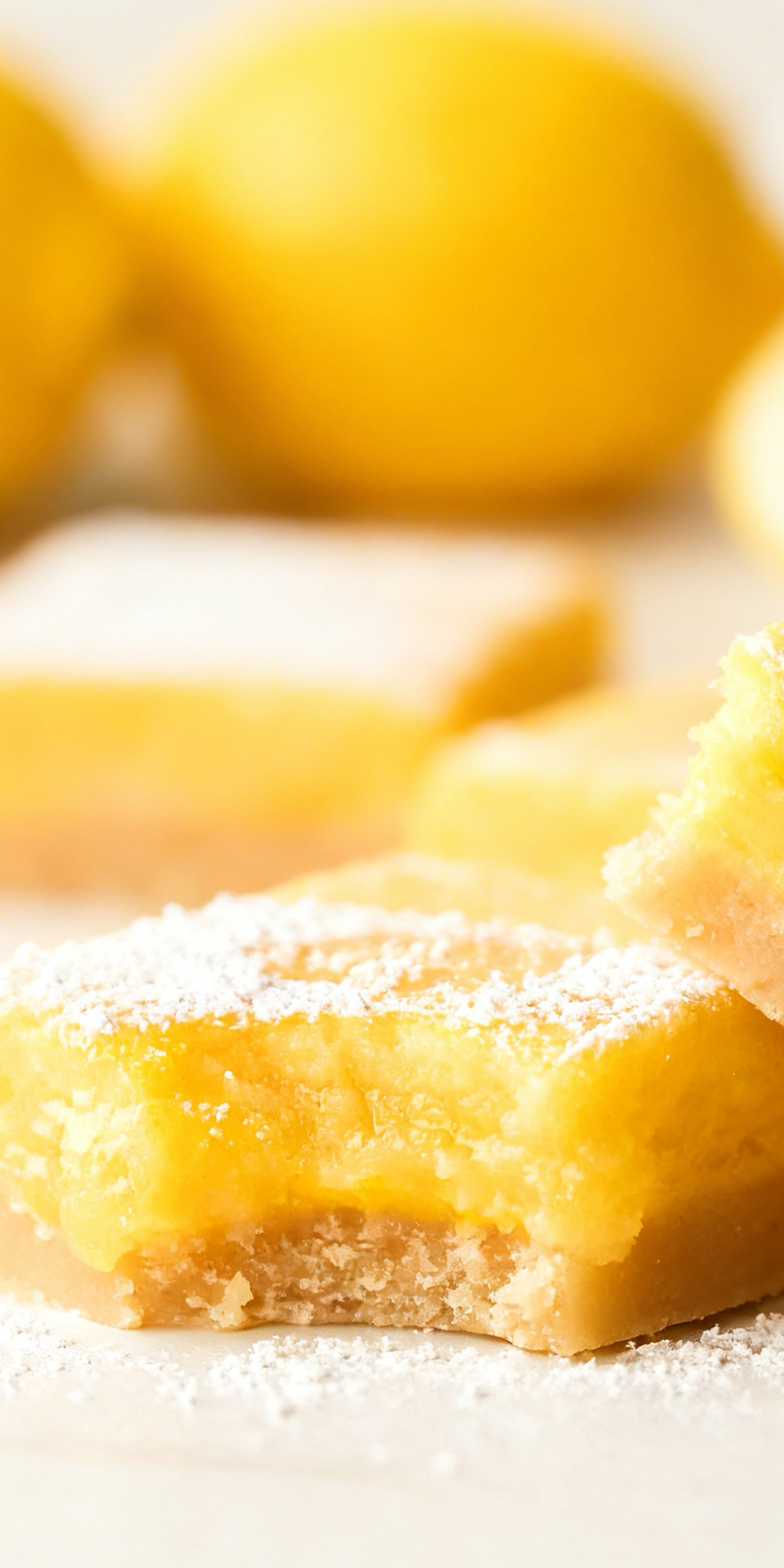
- Refrigeration: Store cooled lemon bars in an airtight container or tightly wrapped pan for up to a week. Chill keeps the custard firm and safe, and dust with powdered sugar only just before serving.
- Room temperature: Limit to 2 hours if serving immediately, ideally on a chilled platter, since the egg-based filling can spoil quickly.
- Freezing: Freeze un-sugared, individually wrapped bars up to 3 months. Thaw slowly in the fridge for 2–4 hours to prevent moisture separation.
- Storage mistakes to avoid: Never cover warm bars, wrap directly in foil, or store near strong-smelling foods, as this can cause sogginess, metallic flavors, or odor absorption.
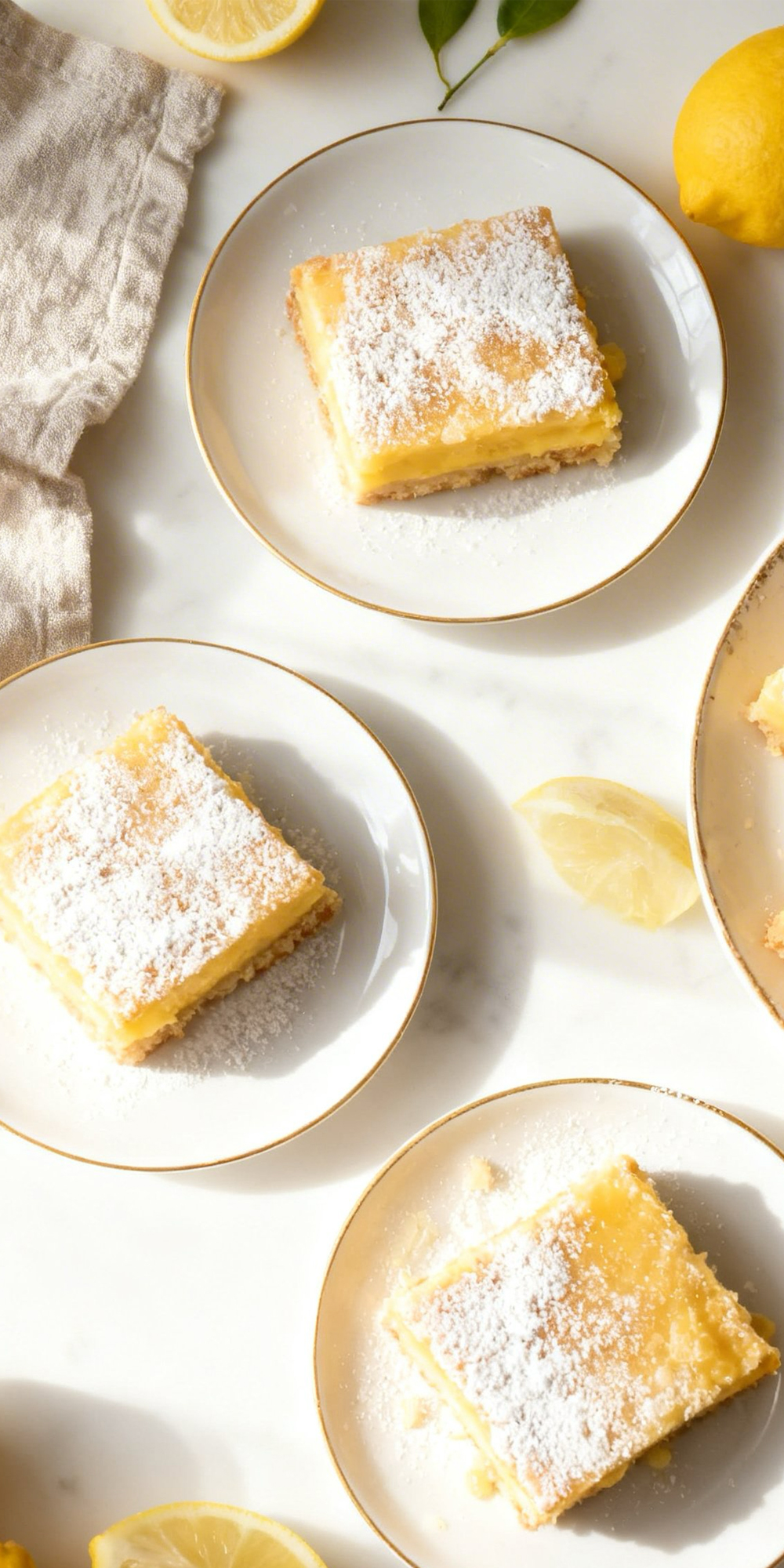
Serving tip: Refresh the top with a light dusting of confectioners’ sugar right before serving; avoid reheating, as heat will break down the delicate custard.
FAQs
-
Why does my lemon filling have a thin, white crust on top?
That white layer is simply air bubbles that rose to the surface during baking. It happens if the eggs are whisked too vigorously, incorporating excess air. To avoid this, whisk gently by hand rather than using an electric mixer. If it happens anyway, don’t worry—a generous dusting of confectioners’ sugar hides it perfectly and adds a lovely sweetness!
-
Can I use bottled lemon juice instead of fresh?
While you can, it is highly discouraged. Bottled juice often has preservatives and a cooked flavor that lacks the vibrant, floral acidity of fresh lemons. Since the lemon juice is the star of the show, using freshly squeezed juice makes a world of difference in the final taste. If you’re short on lemons, you can supplement with a little fresh lime juice for a unique citrus twist.
-
My crust is soggy. What did I do wrong?
A soggy base is usually the result of one of two things: under-baking the crust or cooling it too long. The shortbread needs to be fully set and light golden before you add the filling. Furthermore, you must pour the lemon mixture onto the crust while it is still warm. This creates a slight seal that prevents the liquid from soaking too deeply into the base and making it mushy.
-
How do I get perfectly clean squares without the filling sticking to the knife?
Lemon curd is sticky by nature! For those bakery-sharp edges, let the bars chill thoroughly in the fridge for at least 2 hours first. When ready to slice, use a large, sharp knife. Dip the blade in hot water, wipe it completely dry, and make one long, smooth cut. Wipe the blade clean after every single slice to prevent drag and keep the edges pristine.
-
Why do my lemon bars taste metallic?
This is a chemical reaction. Lemon juice is highly acidic and reacts with unlined metal pans (like aluminum or tin). This reaction can leave a tinny aftertaste and even turn the filling a dull, grayish color. To prevent this, always bake lemon bars in a glass or ceramic dish, or ensure your metal pan is completely lined with parchment paper so the filling never touches the metal.
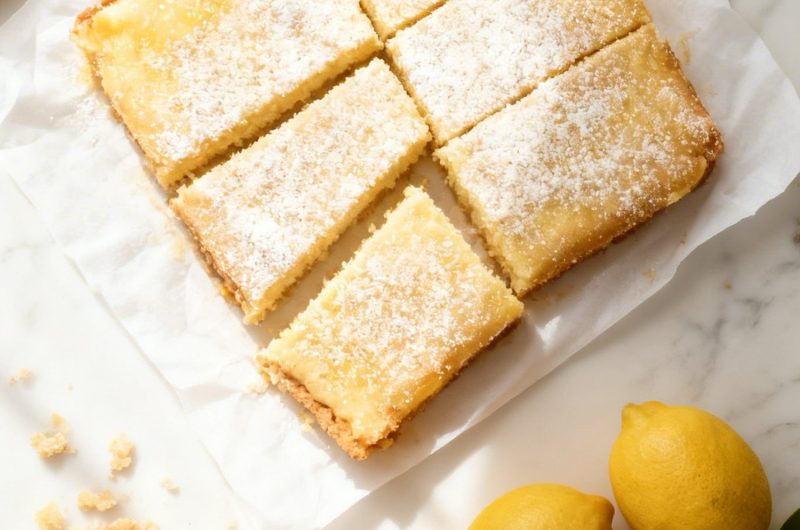
Lemon Bars With Shortbread Crust
24
servings10
minutes40
minutes2
hoursThis lemon bars with shortbread crust recipe is tangy, sweet, and paired with a crisp buttery base.
Ingredients
- Shortbread Crust
2 cups + 2 Tablespoons (265g) All-purpose flour (spooned & leveled)
1 cup (16 Tbsp; 226g) Unsalted butter, melted
½ cup (100g) Granulated sugar
2 teaspoons Pure vanilla extract
½ teaspoon Salt
- Lemon Filling
2 cups (400g) Granulated sugar
1 cup (240ml) Lemon juice (about 4 lemons)
6 large Eggs
6 Tablespoons (46g) All-purpose flour
Optional: Confectioners’ sugar for dusting
Directions
- Preheat your oven to 325°F (163°C).
- Use a 9×13-inch glass baking dish. (Avoid metal, as the lemon juice can react with it and create a metallic taste). Line the pan with parchment paper, allowing the edges to hang over the sides like a sling for effortless removal later.
- In a medium mixing bowl, stir together the melted butter, sugar, vanilla, and salt. Incorporate the flour and mix until a thick, uniform dough forms.
- Transfer the dough to your lined pan and press it down firmly, ensuring an even layer across the entire bottom.
- Bake for 20–22 minutes. You are looking for the edges to turn a very pale, light golden brown.
- Once you remove the pan from the oven, use a fork to gently poke holes across the surface of the warm crust (be careful not to go all the way through to the bottom). This helps the lemon layer bond to the base and prevents the crust from shifting.
- In a large bowl, sift the sugar and flour together to remove any lumps.
- Whisk in the eggs followed by the fresh lemon juice. Continue whisking until the mixture is perfectly smooth and integrated.
- Pour the lemon mixture directly over the still-warm crust.
- Return the pan to the oven for 22–26 minutes.
- Give the pan a gentle tap; the bars are ready when the center is stable and no longer wobbles.
- Let the bars rest at room temperature for about 2 hours. For the best texture, transfer them to the refrigerator for another 1–2 hours. These bars are best enjoyed when thoroughly chilled.
- Use the parchment overhang to lift the entire block out of the pan and onto a cutting board.
- Generously dust the top with confectioners' sugar. For bakery-perfect edges, use a sharp knife and wipe the blade clean after every single cut.
There are no reviews yet. Share your thoughts above!