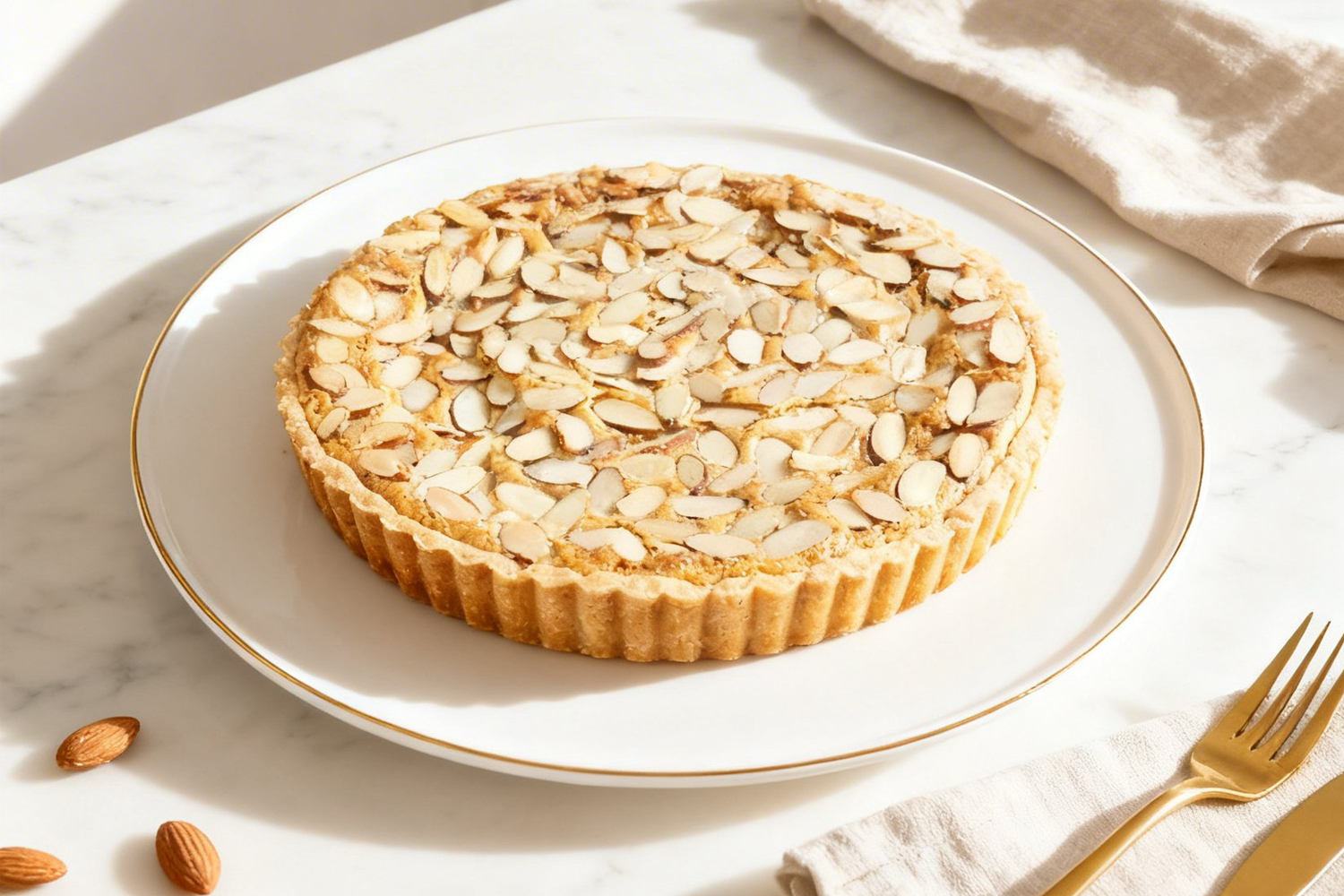
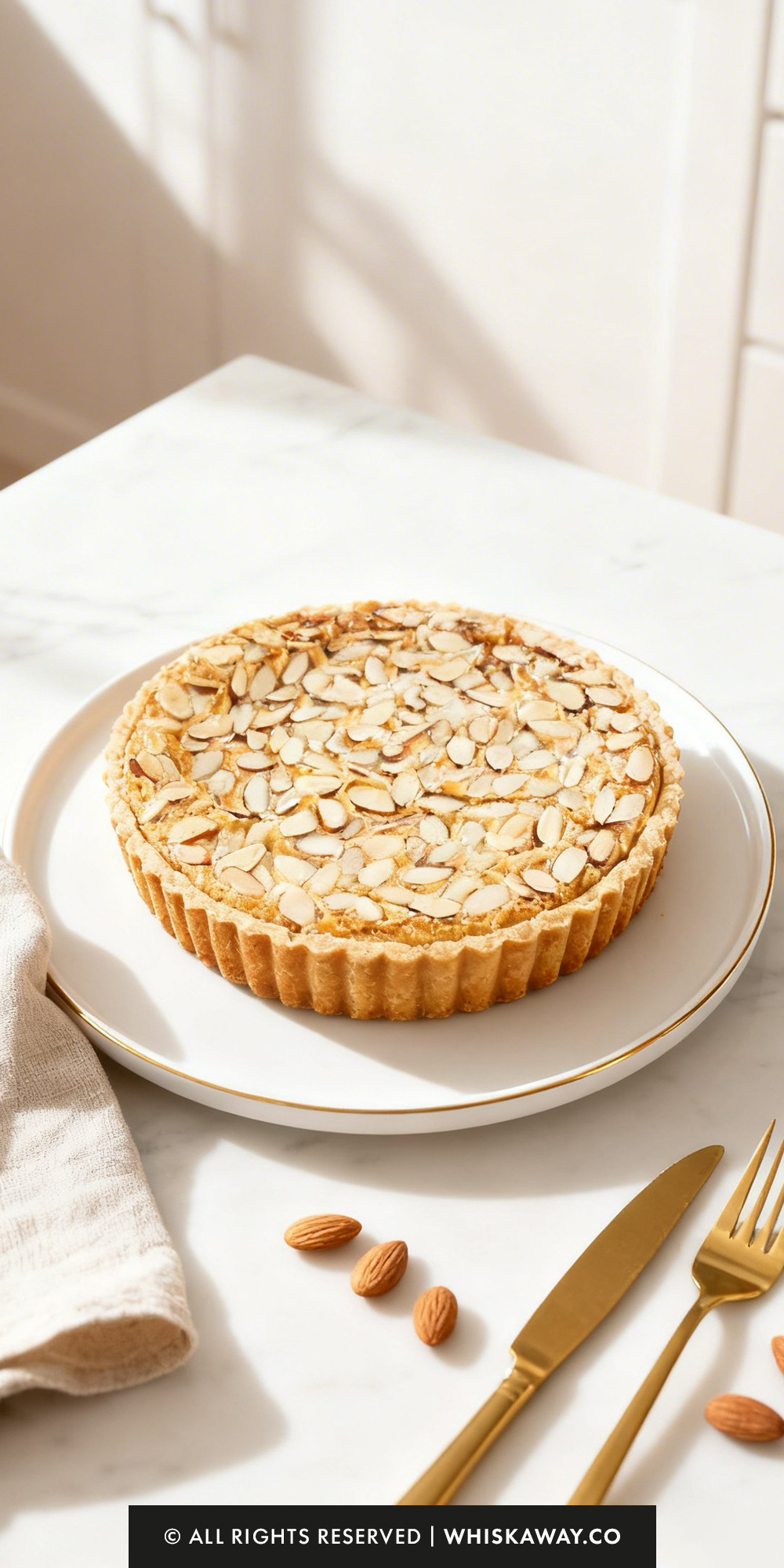
Ever wondered how a dessert could feel fancy without being complicated? This frangipane tart pairs a tender pastry crust with a luscious almond filling, lightly baked to golden perfection.
Each bite is nutty, sweet, and soft, yet the crust adds a delicate crunch.
Baking a frangipane tart at home is easier than it looks, and the end result feels like a pastry shop creation.
Perfect for brunch, tea, or impressing guests, it’s a dessert that feels elegant yet approachable.
Why You’ll Love This Recipe
Frangipane brings almond richness and structure beneath fruit.
What Makes Them Special
- Almond cream bakes into a soft, cake-like layer
- Nutty depth complements fruit toppings
- Holds structure without becoming dense
- Slightly crisp exterior with tender center
- Elegant but technically approachable
Save This Pin for Later to Your Pinterest Board
🔥 If almond-forward pastries with elegant structure appeal to you, explore:
How to Get Your Frangipane Tart Just Right
Frangipane is a classic pastry staple that sounds far more intimidating than it actually is.
Because this version uses a press-in crust and a whisk-by-hand filling, the focus is entirely on texture and temperature.
1. Master the Press-In Crust
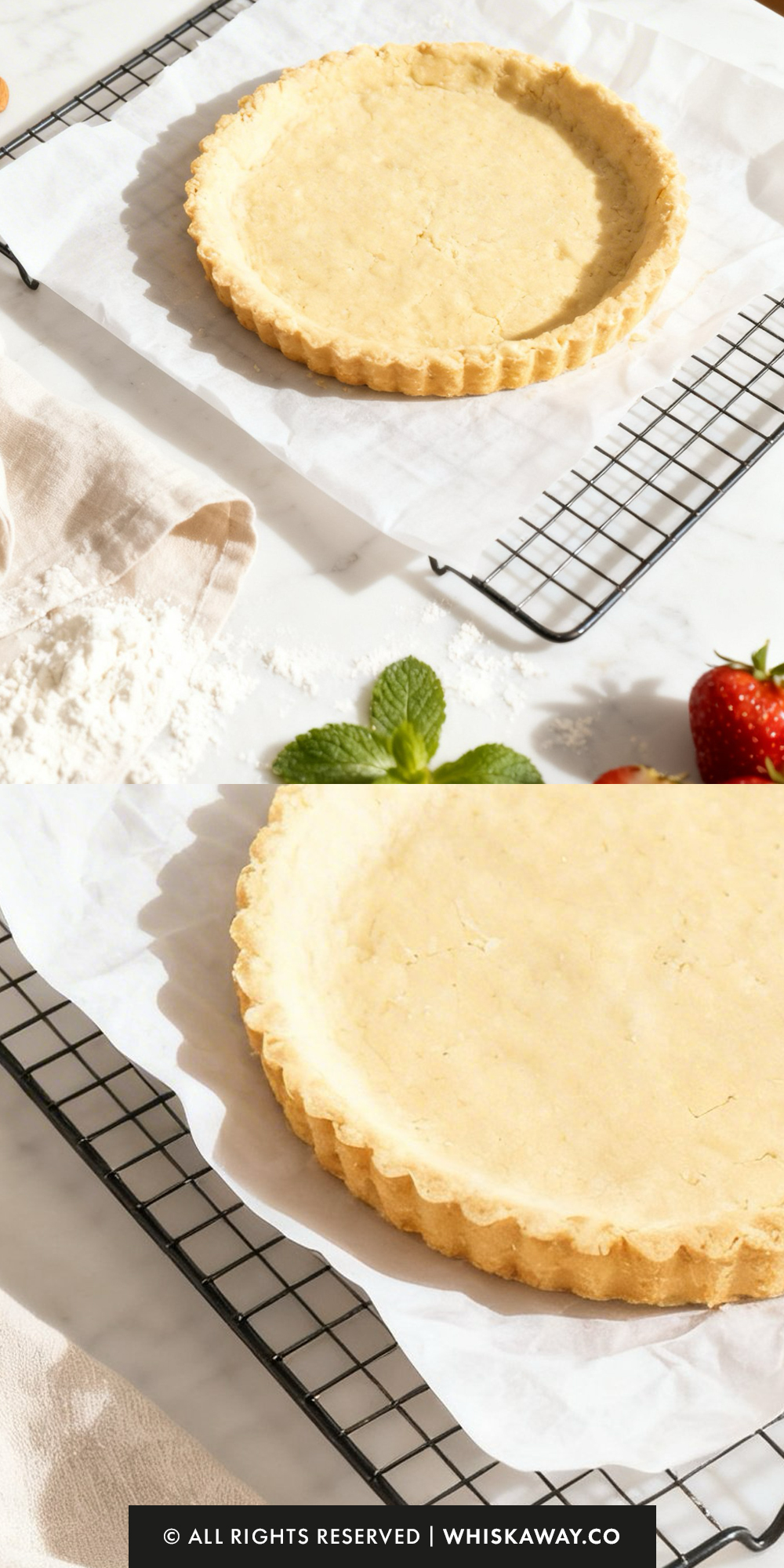
Temperature Matters: Press the dough into the pan while it is still warm.
Once the butter in the dough cools, it becomes brittle and difficult to shape. If it starts to firm up before you’re finished, pop it in the microwave for 10 seconds to soften it back up.
The Glass Trick: For a truly professional look, use the flat bottom of a measuring cup or glass to compress the dough.
This creates a uniform thickness and a sharp angle where the base meets the wall, preventing the “doughy corner” often found in amateur tarts.
Don’t Skip the Docking: Pricking the bottom with a fork (docking) allows steam to escape.
Without those holes, the crust will puff up in the center like a balloon, leaving no room for your delicious almond filling.
2. Achieving the Perfect Frangipane
The Room Temp Rule: Ensure your eggs are at room temperature.
f you whisk cold eggs into melted butter, the butter will seize and clump, resulting in a grainy, uneven bake.
Don’t Over-Aerate: While you want to whisk the eggs in well, avoid beating the mixture until it’s excessively foamy.
Too much incorporated air can cause the filling to rise like a soufflé and then collapse, creating a wrinkled surface.
The Almond Extract Balance: Almond flour provides texture, but the almond extract provides the signature flavor.
It is very potent, measure it carefully over a separate bowl so a stray splash doesn’t overpower the entire tart.
3. Common Mistakes to Avoid
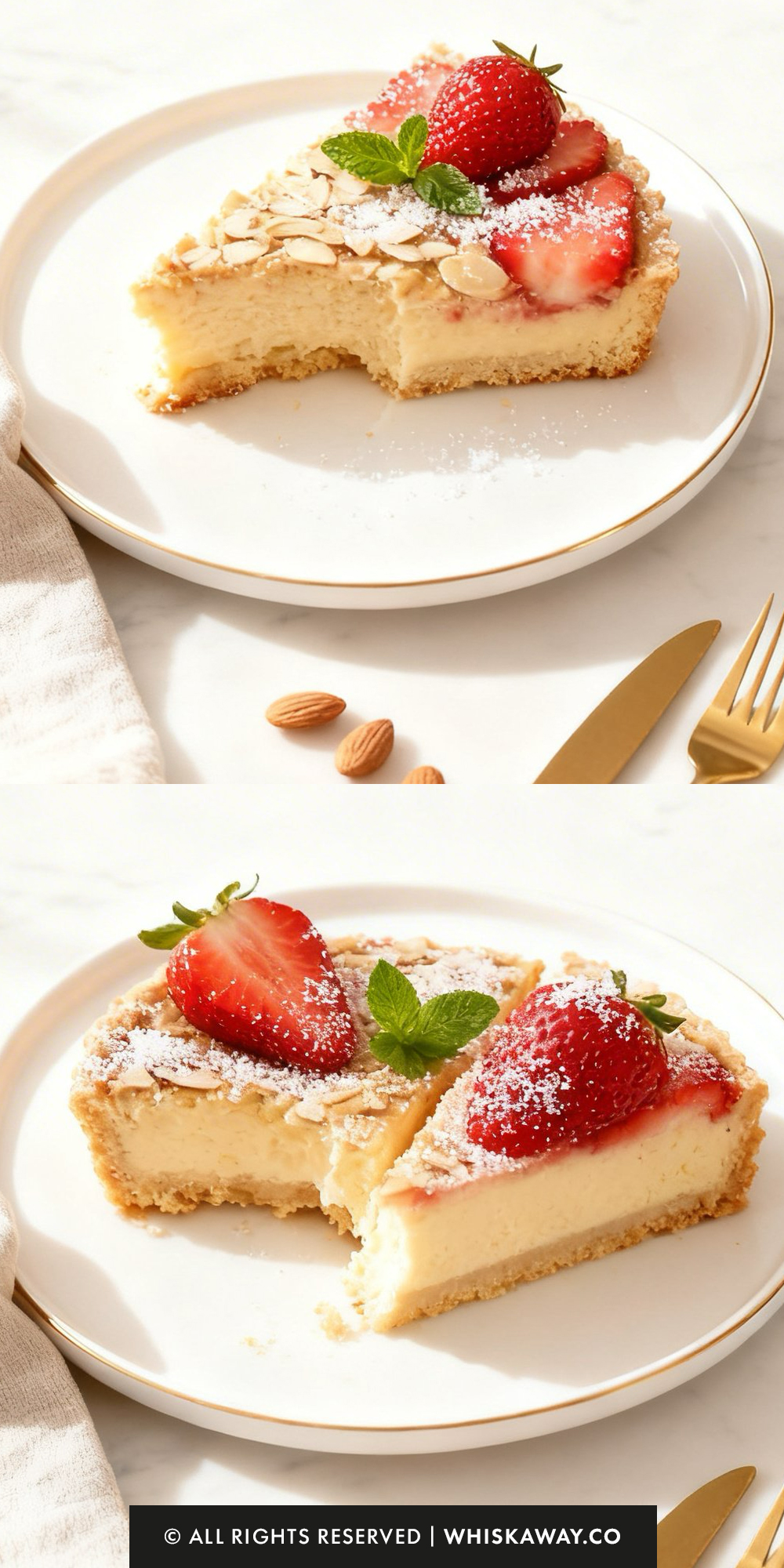
Pulling it Out Too Early: Frangipane can look done on the top while remaining raw and “custardy” in the middle.
Use the jiggle test: give the pan a gentle shake. If the center ripples like liquid, it needs more time. It should feel firm and springy to a light touch.
Shrinking Sides: If your crust sides collapse during the pre-bake, it’s usually because the dough wasn’t pressed firmly enough against the pan or the oven wasn’t fully preheated.
Don’t panic. Just use your glass to press the warm dough back up the sides as soon as it comes out of the oven.
Burning the Almond Topping: Because sliced almonds are so thin, they toast much faster than the filling cooks.
Be diligent with the foil tenting at the 20-minute mark to keep that beautiful golden hue without crossing into charred territory.
4. Timing & Flavor Tips
If you’re nervous about removing the tart from the pan, the can method (setting the tart on a tall jar or can and letting the ring fall) is the safest way to avoid breaking the delicate shortbread edges.
Like many almond-based desserts, the flavor of frangipane actually intensifies overnight. If you can resist, bake it a day before you plan to serve it.
The moisture from the filling will slightly soften the crust, creating a melt-in-your-mouth experience.
Baking Tips for This Recipe
- Cream butter and sugar thoroughly before adding eggs to prevent separation.
- Spread frangipane evenly to avoid uneven rising.
- Bake until golden and set in the center.
Variation Tips
The Frangipane Tart is a French pastry classic known for its versatility.
The almond-scented filling acts as a velvety base that pairs beautifully with everything from tart seasonal fruits to deep, dark chocolate.
1. The Poached Fruit Classic
The most traditional way to elevate a frangipane tart is by adding fruit.
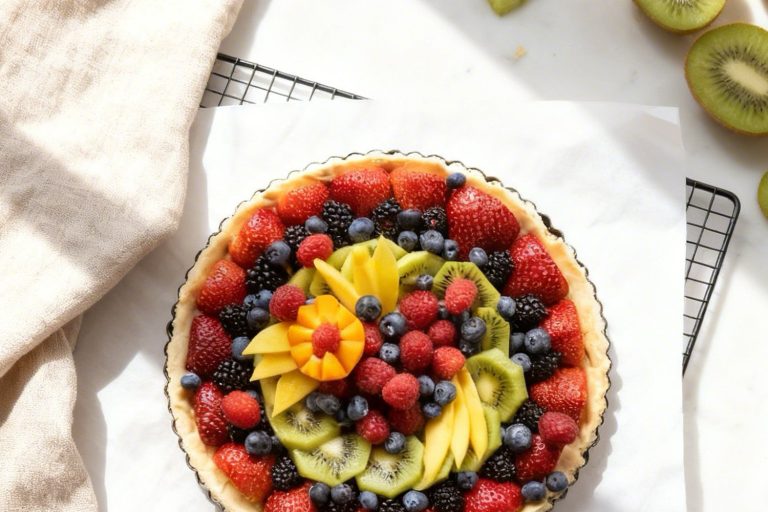
Arrange thinly sliced poached pears, halved apricots, or fresh raspberries on top of the filling before baking.
As the tart bakes, the fruit sinks slightly into the almond cream, creating pockets of juicy flavor that contrast with the buttery crust.
2. The Chocolate Hazelnut Twist
For a richer, nuttier profile:
Replace half of the almond flour with hazelnut flour (meal).
The Addition: Fold ½ cup of dark chocolate chips or chunks into the frangipane before spreading it into the shell.
This version tastes like a sophisticated, baked version of a chocolate-nut spread.
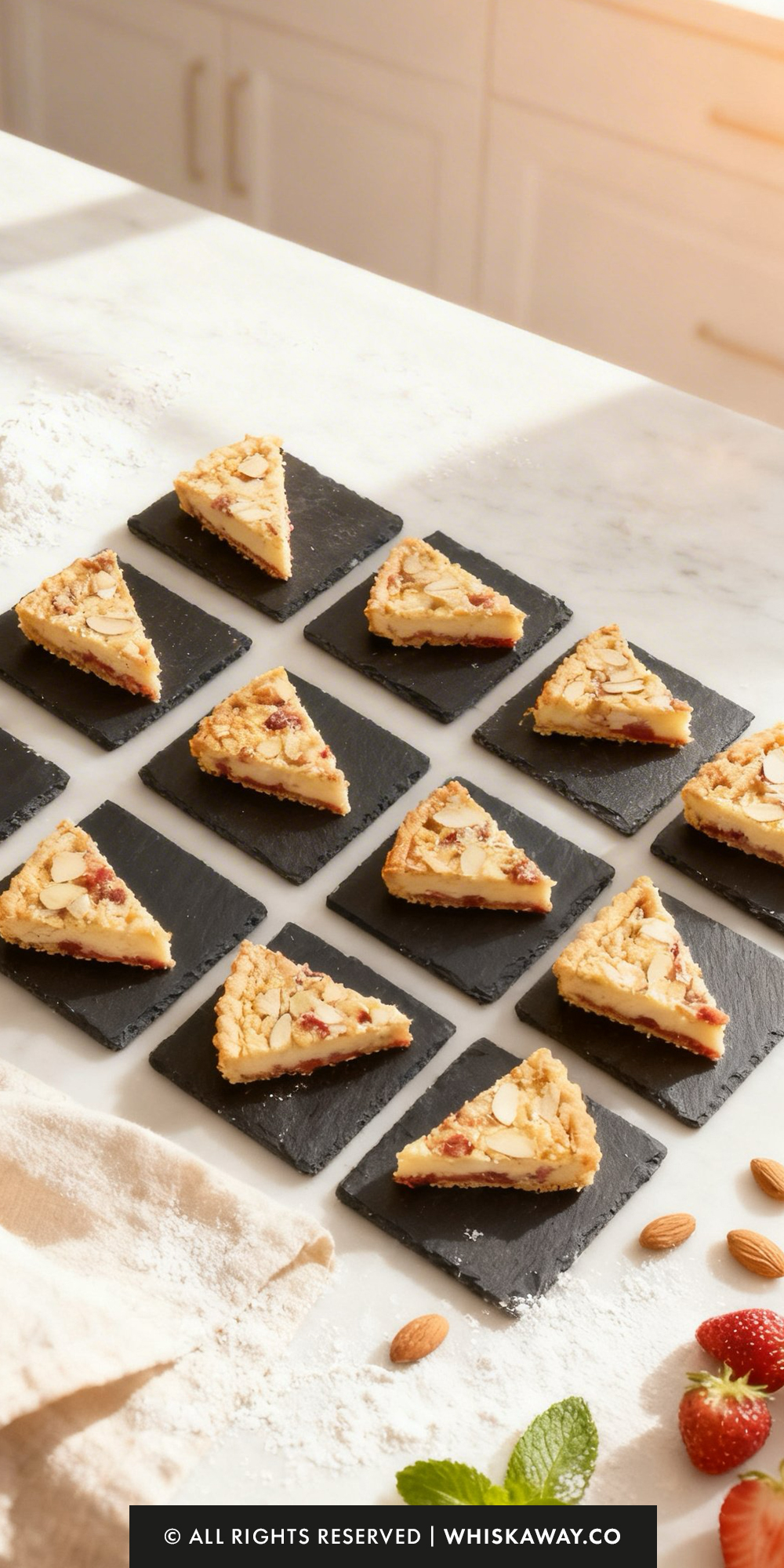
3. The Bakewell Style (Jam Layer)
Inspired by the British classic:
Before adding the frangipane, spread a thin, even layer of raspberry or cherry preserves (about 1/3 cup) over the bottom of the pre-baked crust.
You get a vibrant, tart “surprise” layer beneath the sweet almond filling.
4. Texture & Topping Alternatives
The Citrus Brightener: Whisk the zest of one lemon or orange into the filling.
The citrus oils brighten the dense almond flavor and make the tart feel much lighter.
Pistachio Frangipane: Swap the almond flour for finely ground pistachios.
The filling will turn a beautiful pale green and offer a more earthy, savory-sweet profile.
The Boozy Infusion: Stir 1 tablespoon of Amaretto or a dark brandy into the batter.
This intensifies the cherry-like notes naturally found in almond extract.
5. Dietary Adaptations
Gluten-Free:
The filling is already naturally gluten-free (since it uses almond flour). For the crust, simply substitute the all-purpose flour with a 1:1 gluten-free baking blend.
The cornstarch in the recipe already helps create that shortbread-like snap.
Dairy-Free:
The Substitutions: Use a high-quality vegan butter stick (cold) for the crust and melted refined coconut oil for the filling.
Refined coconut oil is flavorless, so the almond aroma will still shine through.
Vegan Option:
In addition to the dairy-free swaps above, replace the 3 eggs with a commercial egg replacer or 3 flax eggs (3 tbsp ground flax mixed with 9 tbsp water).
Note that the texture will be slightly denser and less puffy than the original.
6. Creative Serving Idea
This tart is exceptional when served with a dollop of crème fraîche or a scoop of honey-lavender ice cream. The slight tang or floral notes provide a sophisticated counterpoint to the toasted nut flavors.
How to Properly Store Your Frangipane Tart
The Frangipane Tart is remarkably stable because the almond flour in the filling retains moisture well, preventing it from drying out as quickly as flour-based cakes.
However, since the crust is essentially a shortbread, keeping it away from humidity is vital for maintaining that satisfying snap.
1. Room Temperature (Ideal for 1-2 Days)
Duration: Up to 2 days.
Store the tart under a glass cake dome or loosely covered with foil on the counter.
This preserves the crispness of the “press-in” crust. In a sealed plastic container, the moisture from the almond filling can soften the crust prematurely.
2. Refrigeration (Best for Longer Storage)
Duration: Up to 5 days.
Place the tart in an airtight container or wrap the pan tightly with plastic wrap.
Serving Note: Cold temperature firms up the butter in the frangipane. For the best “melt-in-your-mouth” experience, let the tart sit at room temperature for 30 minutes before serving.
3. Freezing (Excellent for Make-Ahead)
Duration: Up to 2 months.
This tart freezes beautifully because of its high fat and nut content.
To Freeze: Wrap the completely cooled tart (or individual slices) in two layers of plastic wrap followed by a layer of heavy-duty foil.
To Thaw: Move the tart to the refrigerator 24 hours before you plan to serve it, then bring it to room temperature on the counter.
4. How to Reheat for Fresh-Baked Texture
If you want to revive the buttery aroma and crisp the edges after refrigeration:
The Oven Method: Place the tart on a baking sheet in a 300°F (150°C) oven for 8–10 minutes. This gently warms the almond cream and recrisps the shortbread base without over-baking the center.
The Microwave: Avoid using the microwave if possible, as it will make the crust soft and slightly chewy rather than crisp.
5. Storage Mistakes to Avoid
Wrapping While Warm: Never cover a warm tart. The steam trapped inside will create condensation, leading to a soggy crust and a “weeping” filling. Ensure it is stone-cold before packaging.
Freezing with Fruit: If you have made a variation with fresh fruit (like raspberries or pears), be aware that the fruit may release extra moisture upon thawing, which can make the surrounding frangipane a bit soft.
The Fridge-Flavor Trap: Because of the high butter content, this tart can easily absorb odors from the refrigerator. Always ensure your container has a tight-fitting lid or use a double layer of wrap.
FAQs
Can I use almond meal instead of almond flour?
Yes, but the texture will change. Almond flour is made from blanched almonds (no skins) and is finely ground, resulting in a delicate, pale filling. Almond meal includes the skins and has a coarser grind, which will give your tart a rustic look and a slightly grainier, nuttier texture. Both are delicious, but for a professional, “bakery-style” finish, stick with almond flour.
Why did my crust shrink or slump down the sides during the pre-bake?
This usually happens if the dough wasn’t pressed firmly enough into the pan or if the butter in the dough was too warm when it entered the oven. If your sides slump, don’t worry! As soon as you pull the crust out of the oven, use the flat bottom of a glass to gently press the warm dough back up the sides of the pan. It will set in place as it cools.
Do I really need to use both vanilla and almond extracts?
While you can use just one, the combination is the “secret” to professional frangipane. The vanilla provides a warm, floral base, while the almond extract provides that iconic, cherry-adjacent “pastry shop” aroma. If you skip the almond extract, the tart will taste more like a butter cake and less like a traditional frangipane.
How do I know when the frangipane is perfectly cooked?
Use the “Touch and Shake” test. Give the pan a very gentle jiggle; the center should be stable, not wavy like liquid. Then, lightly press the center with your finger—it should feel springy and firm, similar to a soft sponge cake. If your finger leaves a deep indentation, it needs another 5 minutes.
Can I make the filling in advance?
Absolutely. You can whisk together the frangipane filling and store it in an airtight container in the refrigerator for up to 3 days. This is a great way to save time. When you are ready to bake, let the filling sit on the counter for 20 minutes to soften slightly so it’s easier to spread into your pre-baked crust.
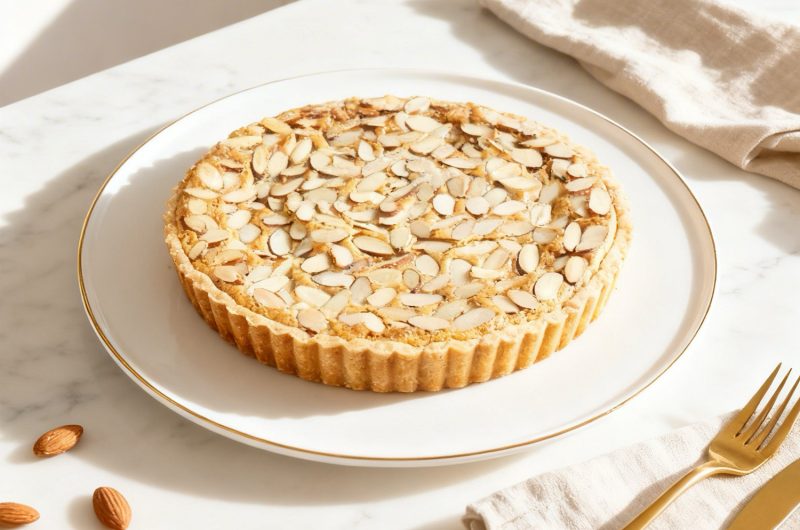
Frangipane Tart
12
Slices40
minutes50
minutesThis frangipane tart recipe is almond-filled, rich, and elegantly golden for a show-stopping dessert.
Ingredients
- For the Crust
1 ¼ cups all-purpose flour
8 tablespoons butter
½ cup powdered sugar
¼ cup cornstarch
1 tablespoon water
½ teaspoon kosher salt
- For the Filling
1 ½ cups almond flour
1 cup sugar
4 ounces butter (salted)
3 large eggs
¼ cup sliced almonds
1 teaspoon vanilla extract
¼ teaspoon almond extract
¼ teaspoon kosher salt
Powdered sugar (for garnish, as desired)
Directions
- Prepare the Press-In Shell
- Heat your oven to 350°F (175°C). Thoroughly grease a 9 or 10-inch tart pan (with a removable base) and line the bottom with a circle of parchment paper. Place this on a larger, foil-lined baking sheet for easy handling.
- In a large bowl, whisk together the flour, cornstarch, powdered sugar, and salt. Form a small well in the center of the dry mixture.
- Melt the butter in the microwave (covered with a damp towel) or in a small pot on the stove. Pour the liquid butter and the tablespoon of water into the well. Stir until the flour is fully absorbed and the dough forms large, moist crumbles.
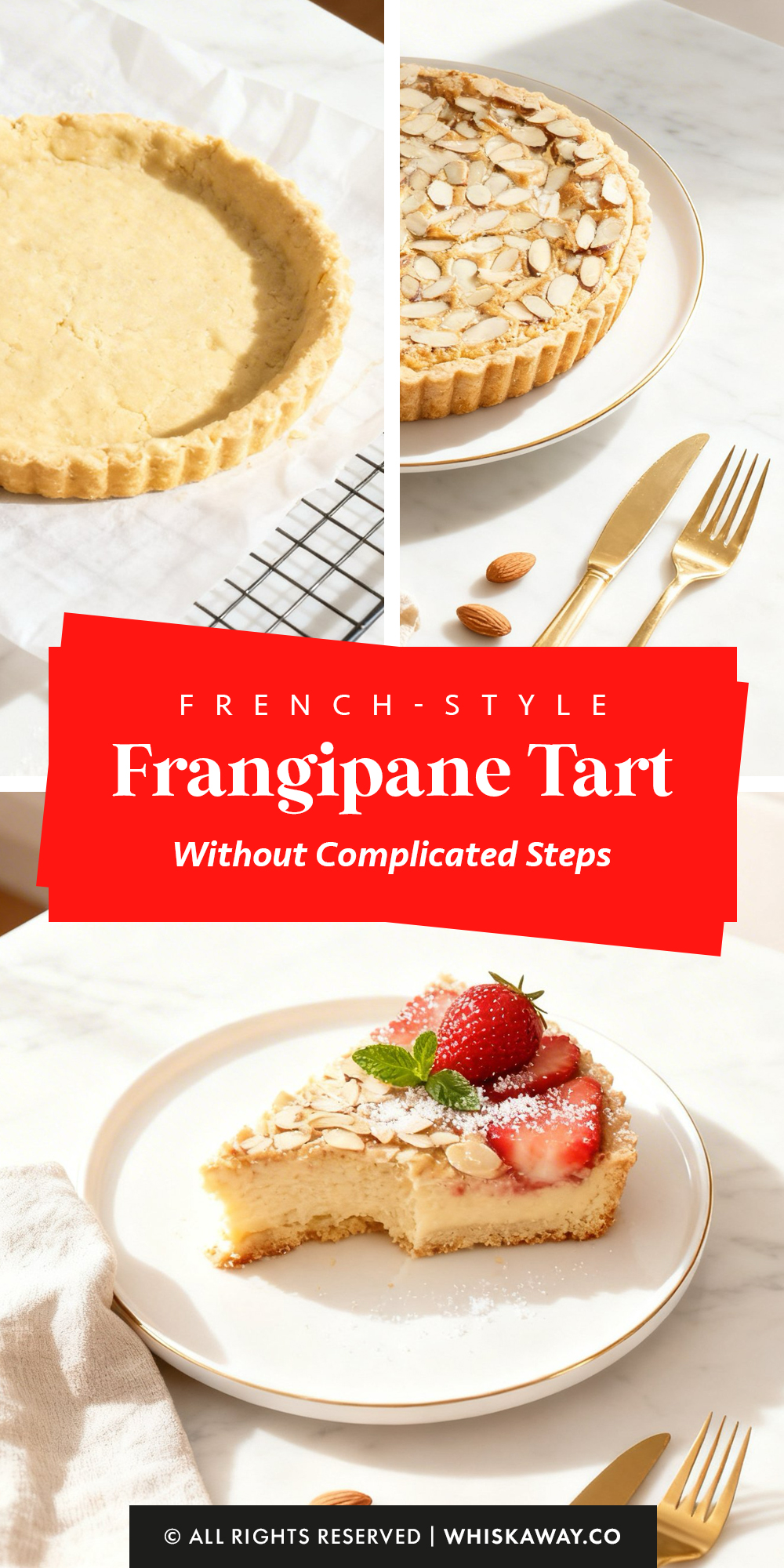
- While the dough is still warm, scatter two-thirds of the crumbles around the perimeter of the pan. Firmly press the dough up the sides, ensuring they are thick enough to support the filling. Spread the remaining dough across the bottom and press firmly to create a seamless, even base.
- Pro Tip: Use the bottom of a flat glass or a measuring cup to smooth out the surface and compress the dough for a professional finish.
- Prick the bottom of the crust several times with a fork. Bake on the sheet pan for 10 minutes. Remove from the oven and, if the sides have slumped, gently push them back up with your flat glass.
- Return to the oven for 5–7 more minutes until it reaches a pale gold color. Let the shell cool for at least 10 minutes.
- Whisk the Almond Filling (Frangipane)
- Melt the butter for the filling and let it sit for 5 minutes to cool slightly. Whisk in the sugar until combined (it will look slightly grainy).
- Add the eggs one by one, whisking vigorously after each addition. Stir in the vanilla and almond extracts, along with the salt.
- Fold in the almond flour until the batter is thick and uniform.
- Assemble and Bake
- Pour the frangipane into your cooled tart shell, smoothing the top with a spatula. The filling should reach nearly to the top of the crust.
- Scatter the sliced almonds evenly over the surface.
- Slide the tray back into the oven. Bake for 20–25 minutes until the top is a light golden brown.
- To prevent the almonds from burning while the center sets, loosely cover the tart with foil. Bake for another 10–20 minutes (aiming for 35–40 minutes total). The center should feel stable and no longer jiggle when the pan is moved.
- Allow the tart to cool entirely in the pan. To remove, set the tart on top of a sturdy can or jar; the outer ring should drop away easily.
- Dust with a light layer of powdered sugar just before serving for an elegant, bakery-style look.
There are no reviews yet. Share your thoughts above!