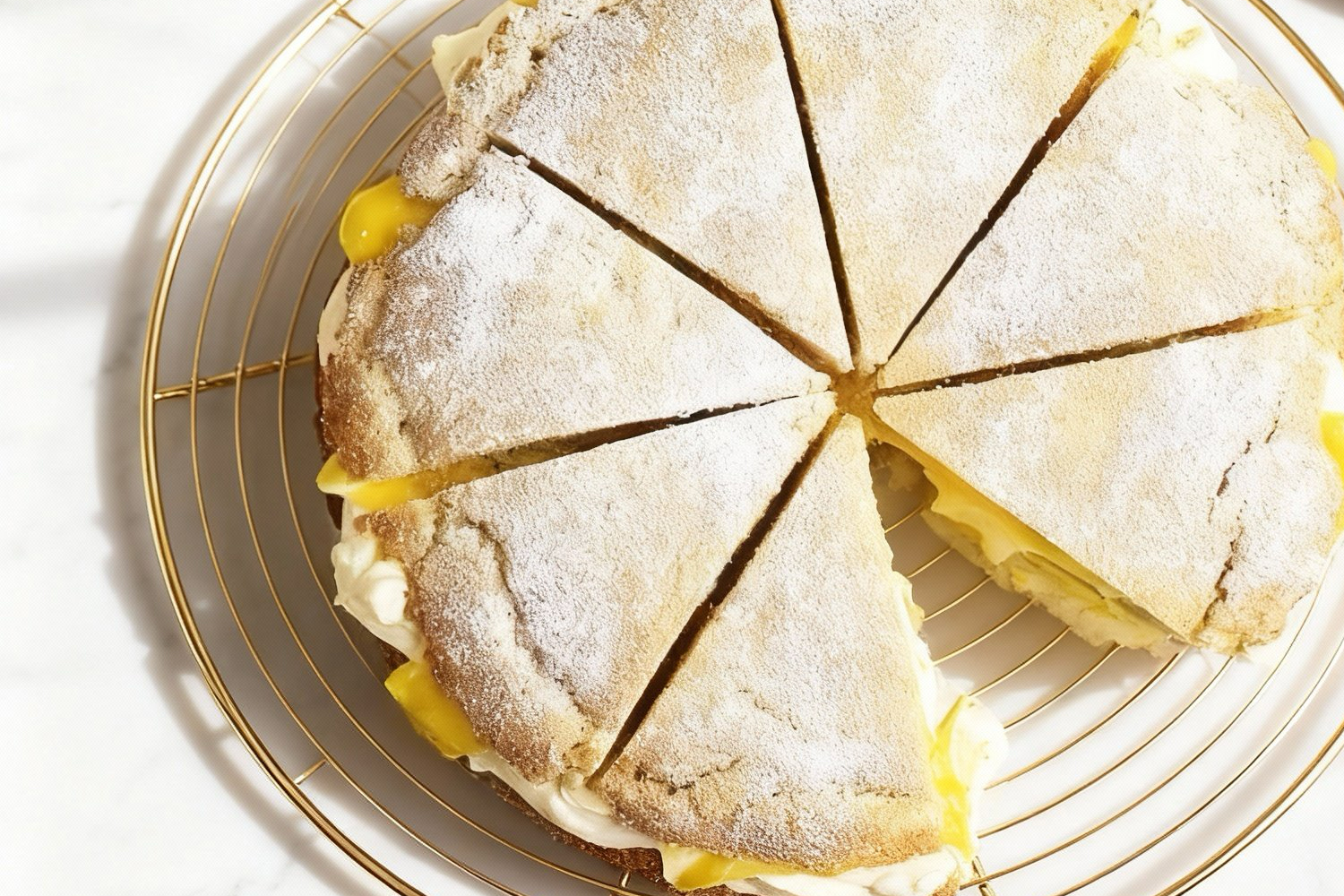
Bright, tangy, and bursting with flavor, lemon curd shortcakes are a fresh take on classic shortcakes.
Soft, buttery biscuits cradle zesty lemon curd that balances sweetness with a refreshing citrus punch.
Making these shortcakes is easier than you’d think. Whip up tender biscuits and top them with silky lemon curd and fresh berries.
The result is a dessert that’s light, refreshing, and indulgent all at once.
Every bite of lemon curd shortcakes delivers soft, flaky biscuits with a tangy, sweet filling that awakens your taste buds.
Perfect for brunch, dessert, or a sunny afternoon treat, these shortcakes are both simple to make and impressive enough to wow friends and family.
Why You’ll Love This Recipe
Bright, zesty lemon curd paired with soft shortcakes creates a refreshing, tangy dessert. The balance of tart lemon and tender biscuit layers makes every bite delightful.
What Makes Them Special
- Bright, tangy lemon flavor
- Soft, tender biscuit layers
- Refreshing and light dessert
- Perfect for spring and summer gatherings
- Elegant and flavorful presentation
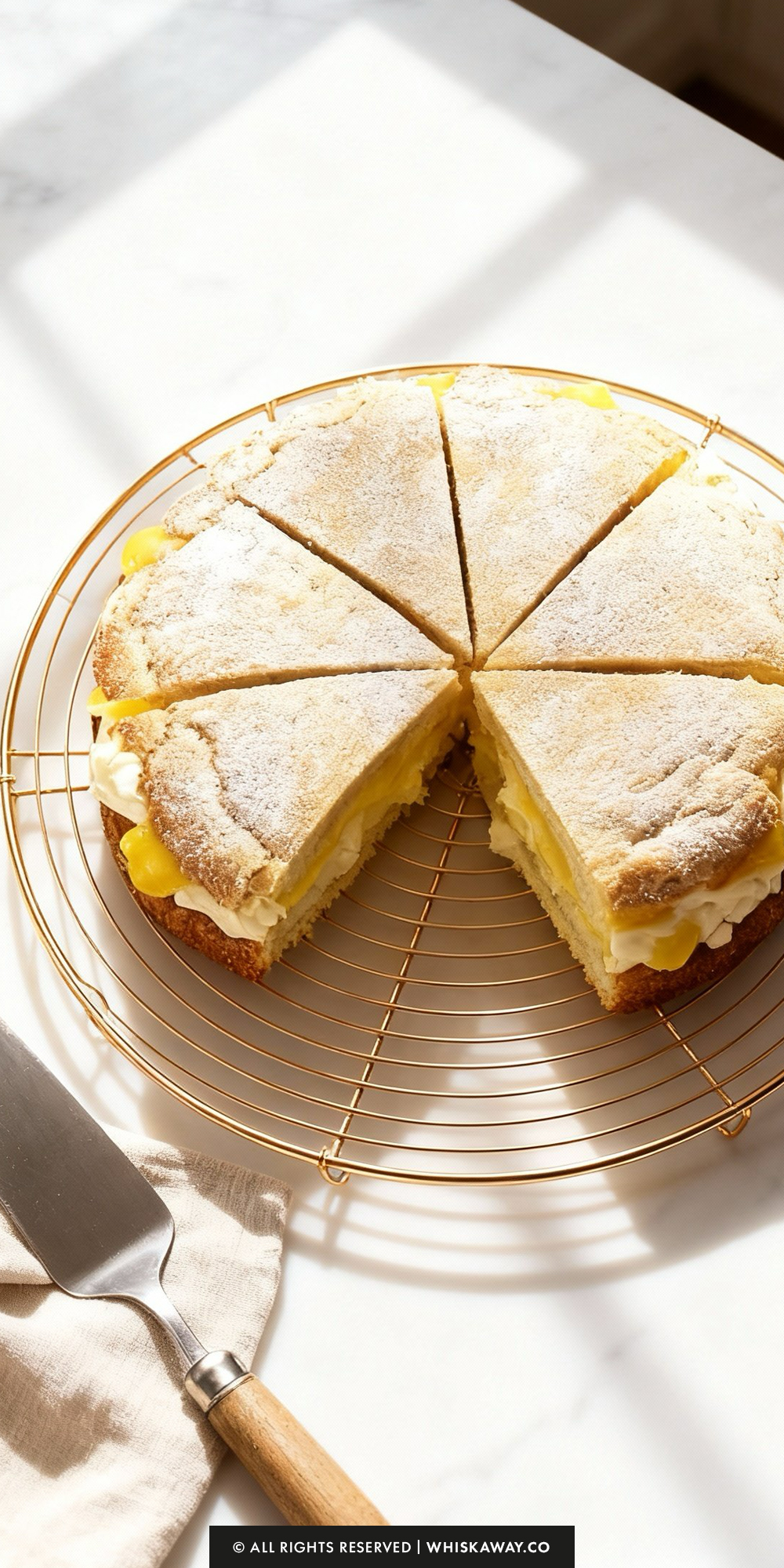
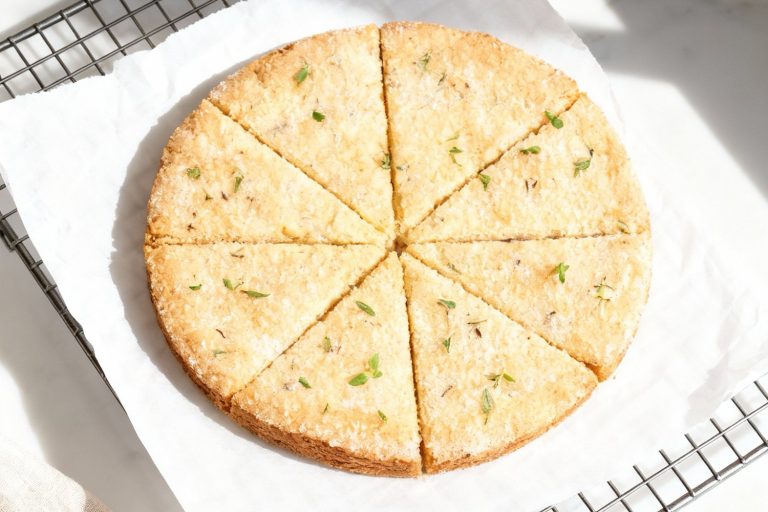
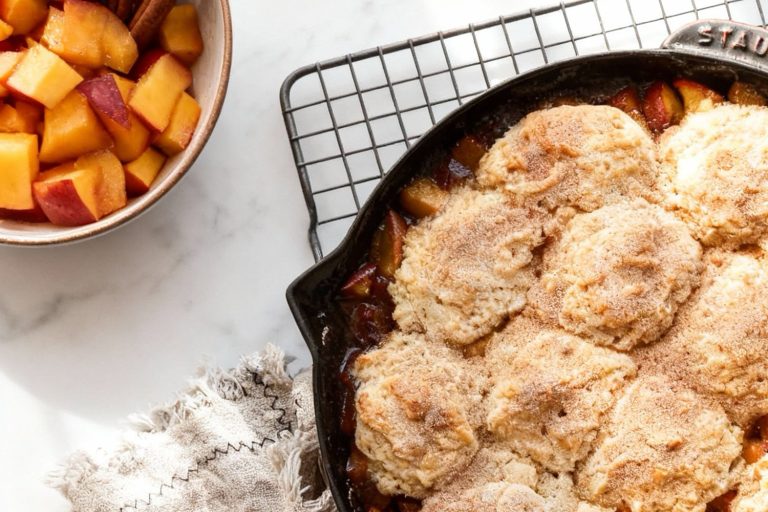
🔥 Bright and tangy, these lemon curd shortcakes are refreshing and light. If you love citrus desserts, try lemon thyme shortcakes for a subtle herb flavor, strawberry shortcake for a classic fruit pairing, or blueberry shortcakes for a simple and fresh alternative.
How to Get Your Lemon Curd Shortcakes Just Right
Mastering this lemon curd shortcakes recipe is all about balancing bright, silky curd with a tender, beautifully risen shortcake.
Here’s how to ensure each component turns out perfect every time.
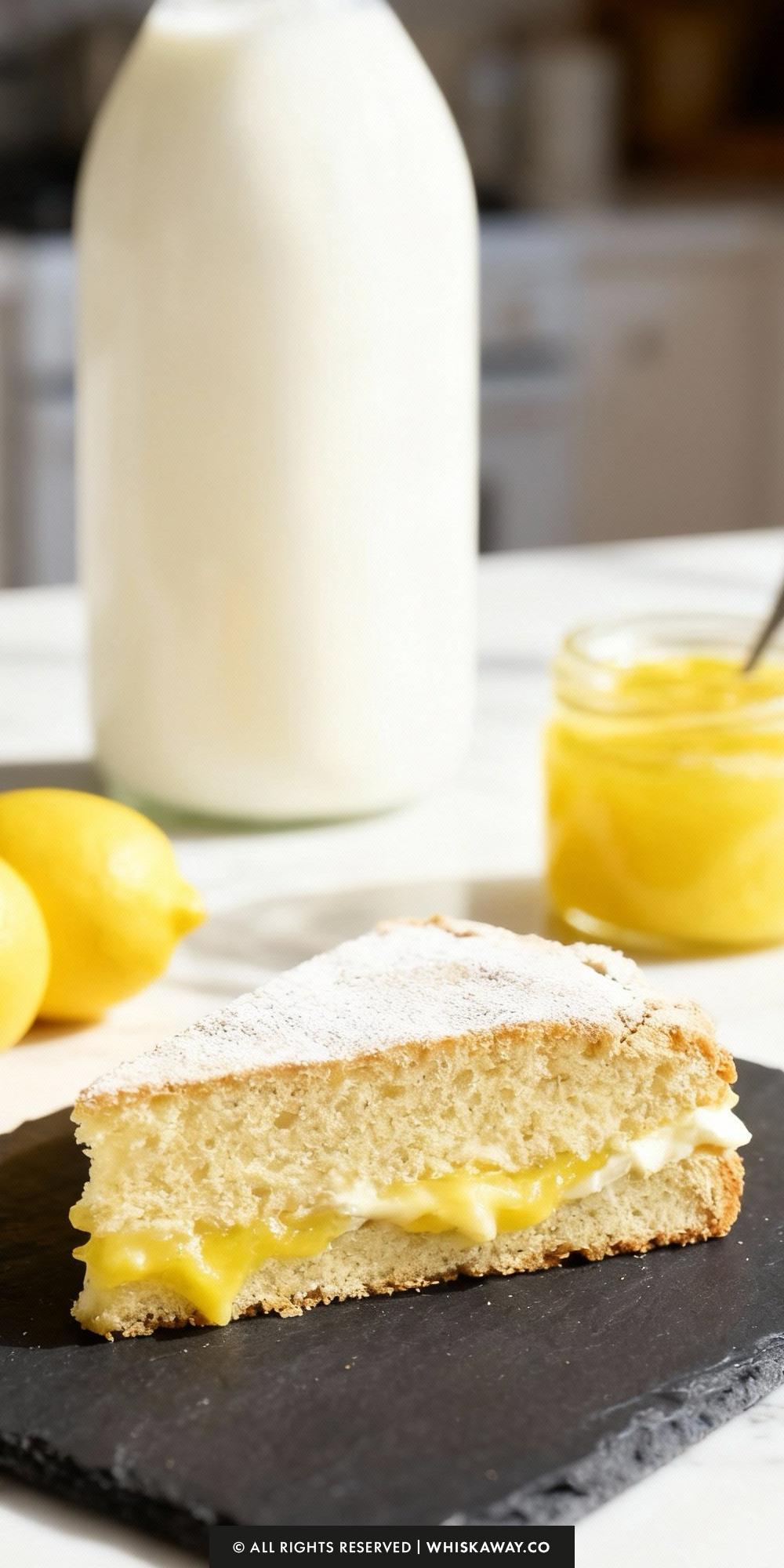
Tips for Perfect Lemon Curd
1. Keep the heat low and steady
Lemon curd thickens slowly, and rushing the process can cause the eggs to scramble. Maintain a gentle simmer under the bowl and stir often so it cooks evenly.
2. Strain for ultra-smooth texture
Straining both the eggs and the lemon juice removes bits of membrane and pulp, giving you a silky, luxurious curd.
3. Watch for the right thickness
The curd should coat the back of a spoon and hold a clean line when you run your finger through it. If it’s still runny, keep cooking. Those last few minutes make all the difference.
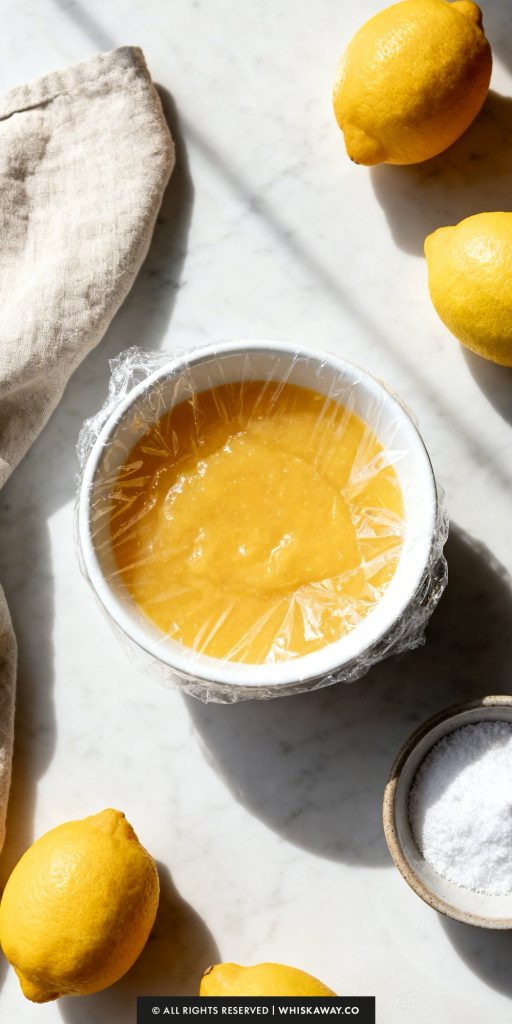
4. Press cling film directly onto the surface
This prevents a skin from forming as the curd cools and keeps the texture velvety.
Tips for Fluffy, Tender Shortcake
1. Start with cold butter
Just like scones, shortcakes rely on cold butter to create soft, flaky layers. Warm butter leads to dense, tough results.
2. Don’t overwork the dough
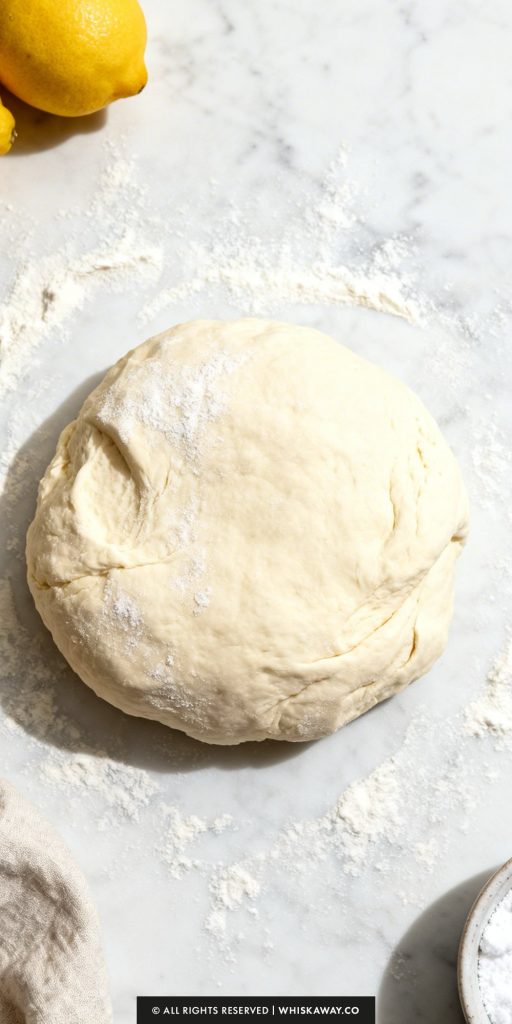
Mix just until it comes together, and knead lightly. Too much handling develops gluten and reduces tenderness.
3. Roll evenly for even baking
Try to keep the dough at a consistent 1cm thickness so the shortcake rises uniformly and doesn’t overbake around the edges.
4. Check doneness with a skewer
Insert it into the center; if it comes out clean or with a few crumbs, the shortcake is ready. Overbaking will dry it out quickly.
Timing & Technique Tips
1. Make the curd ahead
Lemon curd thickens even more as it chills, so preparing it a few hours (or even a day) ahead gives it ideal spreading consistency.
2. Let the shortcake cool slightly before assembling
Warm shortcake can melt the curd and cream too much, while fully cooled shortcake can feel a bit firm.
Aim for “warm but not hot.”
3. Use fresh lemons only
Bottle lemon juice lacks the brightness and acidity needed to balance the sweetness of the curd.
Common Mistakes to Avoid
- Cooking the curd over high heat: leads to curdled, grainy texture.
- Adding too much milk to the dough: shortcake may spread or bake up heavy.
- Skipping the sift: aerating the flour helps the shortcake rise properly.
- Letting the shortcake sit too long before baking: the butter warms up, reducing flakiness.
- Cutting into the shortcake while very hot: it may crumble and lose its structure.
Easy Baking Tips That Have Worked for Me
Use fresh lemon zest and juice to get the brightest, most fragrant flavor in the lemon curd. Slightly underbake the biscuits so the interior stays soft and tender.
Handle the dough gently when mixing to preserve the flaky texture. Whip cream to soft peaks so it spreads easily between the biscuit layers.
Assemble the shortcakes just before serving to keep the biscuits from absorbing the lemon curd or cream, maintaining the perfect soft yet slightly crisp texture.
Variation Tips
Elevate your Lemon Curd Shortcakes with easy swaps and creative twists while keeping the refreshing, citrus-forward spirit of the recipe intact.
Here are fun ideas to suit different tastes and dietary needs:
1. Flavor Twists
Try a citrus blend.
Swap part of the lemon juice with lime, orange, or grapefruit for a more complex curd. Lemon–lime curd is especially bright and punchy.
2. Infuse the curd
Steep a sprig of fresh mint, basil, or lavender in the warm lemon mixture, then remove before cooling. It adds a subtle, aromatic layer to the curd.
3. Add berry notes
Fold a few spoonfuls of raspberry or blueberry purée into the finished curd for a fruity swirl without losing the lemon zing.
4. Make it extra fluffy
Stir in ½ teaspoon of vanilla extract or the zest of one lemon to the dough for deeper flavor and a fragrant lift.
5. Add texture
Mix in 1–2 tablespoons of poppy seeds for a classic lemon–poppy combination.
6. Use whole-wheat flour
Swap ¼–½ of the self-raising flour for whole-wheat to add nuttiness. You may need an extra splash of milk if the dough feels dry.
Servings & Toppings Upgrades
1. Top with fresh berries
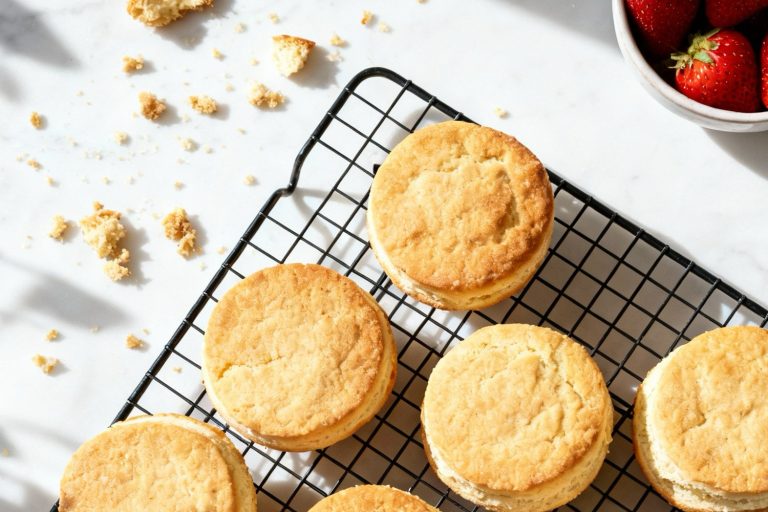
Strawberries, blueberries, raspberries, or a simple mixed berry bowl pair beautifully with lemon curd and make the final dessert feel extra special.
2. Add a crunchy finish
Sprinkle toasted almonds, pistachios, or coconut flakes over the cream for contrast in every bite.
3. Swap the cream
Use lightly sweetened mascarpone, Greek yogurt, or coconut whipped cream if you prefer a richer, tangier, or dairy-free topping.
4. Dietary-Friendly Options
Gluten-free version: Use a reliable gluten-free self-raising flour blend. If your blend doesn’t include xanthan gum, add ¼ teaspoon for structure.
Dairy-free shortcakes: Replace butter with cold vegan butter and use a dairy-free milk alternative (oat or soy works best). Pair with coconut cream instead of clotted cream.
Lower-sugar curd: Reduce the sugar to 90–100g or replace part of it with a natural sweetener like honey. The texture may vary slightly but remains delicious.
Save This Pin To Your Pinterest Board for Later

Presentation Ideas
1. Individual minis
Cut smaller rounds of dough and bake as mini shortcakes for elegant party servings.
2. Layered shortcake stacks
Slice the baked shortcake into thirds and layer lemon curd and cream between each tier for a dramatic, bakery-style dessert.
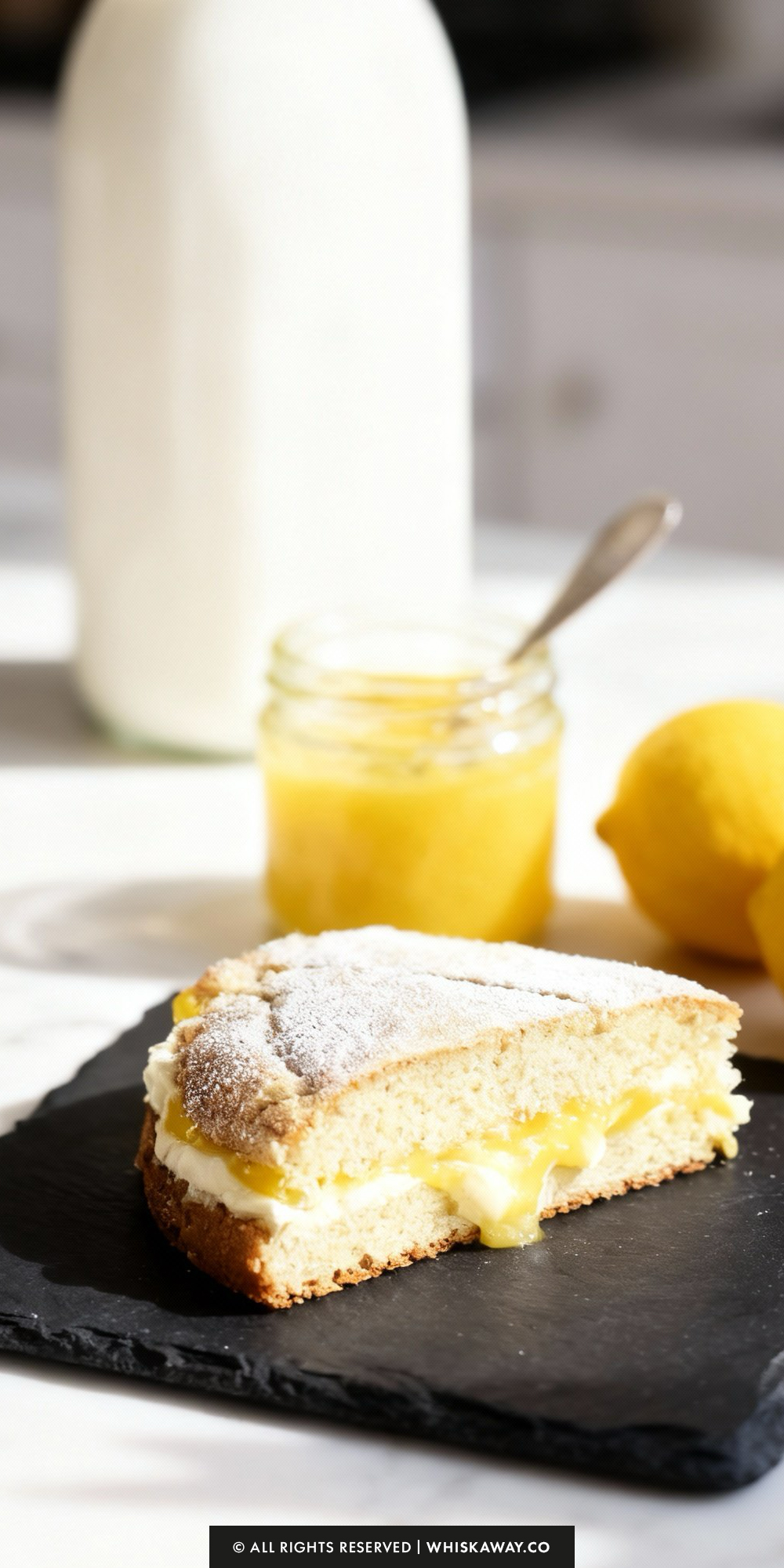
How to Properly Store Your Lemon Curd Shortcakes
Keeping your Lemon Curd Shortcakes fresh and delicious comes down to storing each component properly.
Follow these tips to maintain the best texture, flavor, and quality, even a few days after baking.
** Store Components Separately **
For the freshest results, store the biscuits, lemon curd, and whipped cream individually. Assembled shortcakes soften quickly, so only build them right before serving.
1. Room Temperature (1–2 Days)
Biscuits only
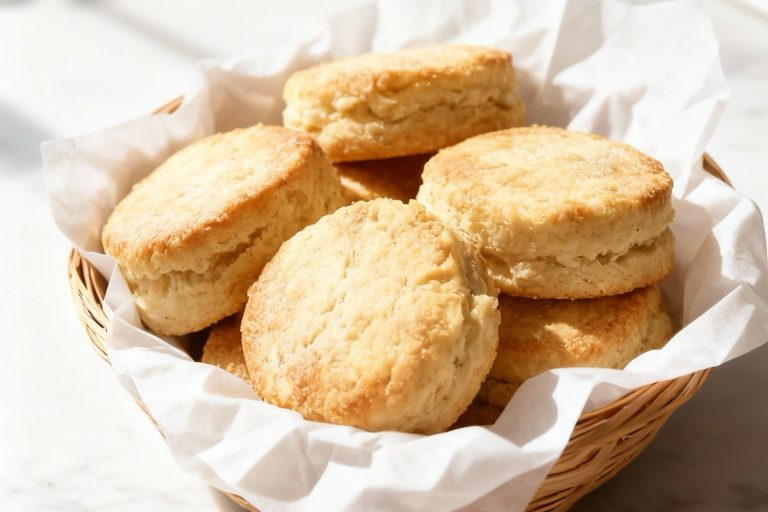
Store cooled biscuits in an airtight container or zip-top bag.
Keep them at room temperature for up to 2 days.
To refresh before serving, warm in a 160°C (325°F) oven for 5–7 minutes to restore crisp edges.
Avoid:
- Storing biscuits while still warm (this traps moisture and makes them soggy).
- Keeping assembled shortcakes at room temp—cream and curd must be refrigerated.
2. Refrigeration (3–4 Days)
Lemon Curd
- Transfer to a clean jar or airtight container.
- Refrigerate for up to 1 week.
- It may thicken; give it a quick stir before using.
Whipped Cream
Best used within 24 hours.
For longer hold, stabilize your cream with gelatin, cornstarch, or mascarpone so it lasts up to 2–3 days without deflating.
Biscuits
Can be refrigerated for up to 4 days, but they may lose some crispness. Warm to refresh.
3. Freezing (Up to 2–3 Months)
Biscuits
- Freeze fully cooled biscuits in a freezer-safe bag or container for 2–3 months.
- Thaw at room temperature, then warm in the oven to crisp back up.
Lemon Curd
Surprisingly freezer-friendly!
- Freeze in airtight containers for up to 2 months.
- Thaw overnight in the fridge and whisk before using to restore smoothness.
Whipped Cream
Not ideal for freezing unless stabilized otherwise it separates and deflates.
4. Assembled Shortcakes
Best enjoyed immediately after assembling.
If needed, refrigerate for up to 4 hours, but expect softer biscuits.
5. Storage Mistakes to Avoid
- Don’t store biscuits with the curd or cream otherwise they’ll become soggy.
- Avoid plastic wrap directly on biscuits; it traps moisture. Use an airtight container instead.
- Don’t microwave biscuits to reheat as they become rubbery. Use the oven for best texture.
FAQs
Can I use store-bought lemon curd instead of homemade?
Yes! Store-bought lemon curd works perfectly and saves time. For the best flavor, choose a high-quality brand with real lemon juice and butter. If it’s too thick, whisk in 1–2 teaspoons of warm water to loosen it slightly before using.
How do I keep my biscuits light and fluffy?
Handle the dough as little as possible to avoid developing too much gluten. Cold butter is essential. Work it in quickly so it stays in small pieces. Those tiny butter pockets create steam during baking, giving you tall, flaky biscuits. Also, don’t twist the biscuit cutter; it can prevent an even rise.
Can I make the components ahead of time?
Absolutely. Biscuits can be baked 1–2 days ahead and stored in an airtight container. Lemon curd keeps for up to a week in the fridge, and whipped cream is best made the day of serving (or stabilized for 2–3 days). Assemble the shortcakes just before serving to keep the texture crisp and fresh.
Do Lemon Curd Shortcakes freeze well?
The biscuits freeze beautifully for up to 2–3 months. Thaw and warm them in the oven before serving. Lemon curd can also be frozen for up to 2 months. Just thaw overnight in the fridge and whisk until smooth. Whipped cream is not ideal for freezing unless stabilized.
What can I serve with these shortcakes?
They pair wonderfully with fresh berries, berry compotes, or a little vanilla ice cream. For extra lemon flavor, add a drizzle of warm lemon curd or sprinkle the top with lemon zest. They’re also delicious with a dusting of powdered sugar for a simple, elegant finish.
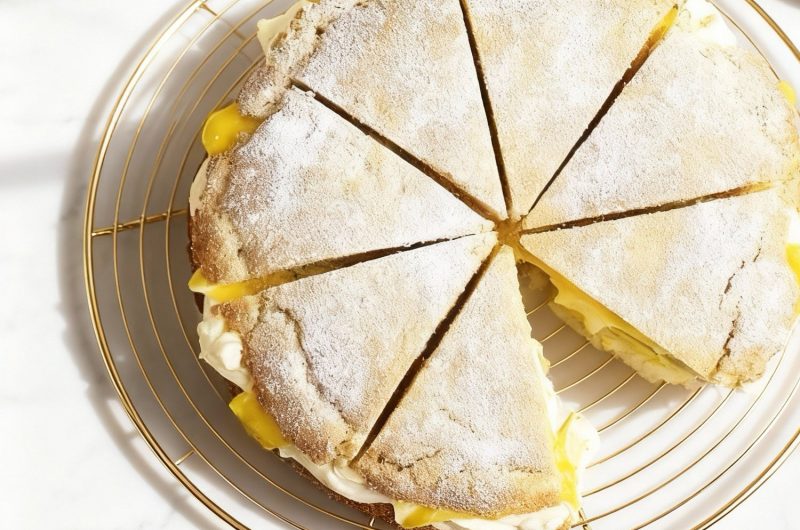
Lemon Curd Shortcakes
8
servings30
minutes15
minutesWant citrusy sweetness? These lemon curd shortcakes are bright, tangy, and melt-in-your-mouth delicious.
Ingredients
- Shortcakes
300g self-raising flour
100g chilled unsalted butter, diced, plus extra to grease
85g free-range egg, beaten (1–2 large eggs)
60g caster sugar
About 2 tbsp whole milk
2½ tsp baking powder
- Lemon Curd
150ml lemon juice (from zest and juice of 2 large unwaxed lemons)
115g caster sugar
75g unsalted butter
3 large free-range eggs
1 large free-range egg yolk
2 tsp cornflour
Zest of 2 large unwaxed lemons (already included above but listed for clarity)
- Finish
300g clotted cream
Icing sugar to dust
Directions
- Lemon Curd
- In a bowl, whisk the whole eggs and extra yolk together until smooth. Pour the mixture through a sieve into a medium heatproof bowl.
- Strain the lemon juice into the same bowl, then add the lemon zest, 115g caster sugar, 75g butter, and the cornflour.
- Set the bowl over a saucepan of gently simmering water, making sure the base doesn’t touch the water. Cook slowly, stirring often, for 15–20 minutes until the curd becomes very thick. Avoid letting the mixture overheat to prevent curdling.
- Once thickened, remove from the heat and transfer the curd to a clean bowl. Let it cool for a few minutes, then press cling film directly onto the surface. Leave to cool completely.
- Shortcake
- Preheat the oven to 200°C/fan 180°C/gas 6. Lightly grease a baking sheet and set aside.
- Sift the self-raising flour, baking powder, and a pinch of salt into a food processor. Add the cold diced butter and pulse briefly until the mixture looks like fine breadcrumbs.
- Tip the mixture into a large bowl and stir in the 60g caster sugar.
- In a small jug, whisk the beaten egg with 1½ tablespoons of the milk. Pour over the dry ingredients and use a fork to bring the dough together. If the dough feels dry or crumbly, add the remaining milk.
- Turn the dough out onto a lightly floured surface and knead gently—just enough for it to come together smoothly.
- Roll the dough into a circle about 1cm thick and roughly 23cm wide. Transfer the disc to the prepared baking sheet.
- Bake for 15 minutes, or until the top is golden and a skewer inserted into the middle comes out clean.
- Using a serrated knife, carefully slice the cooled shortcake in half horizontally. Place the top half on a board and cut it into 8 even wedges.
- Set the bottom half onto a serving plate. Spread generously with clotted cream. Spoon over about one-third of the lemon curd (or more, if you prefer a stronger lemon flavour) and gently swirl it through the cream with a knife.
- Arrange the wedges on top and finish with a light dusting of icing sugar before serving.