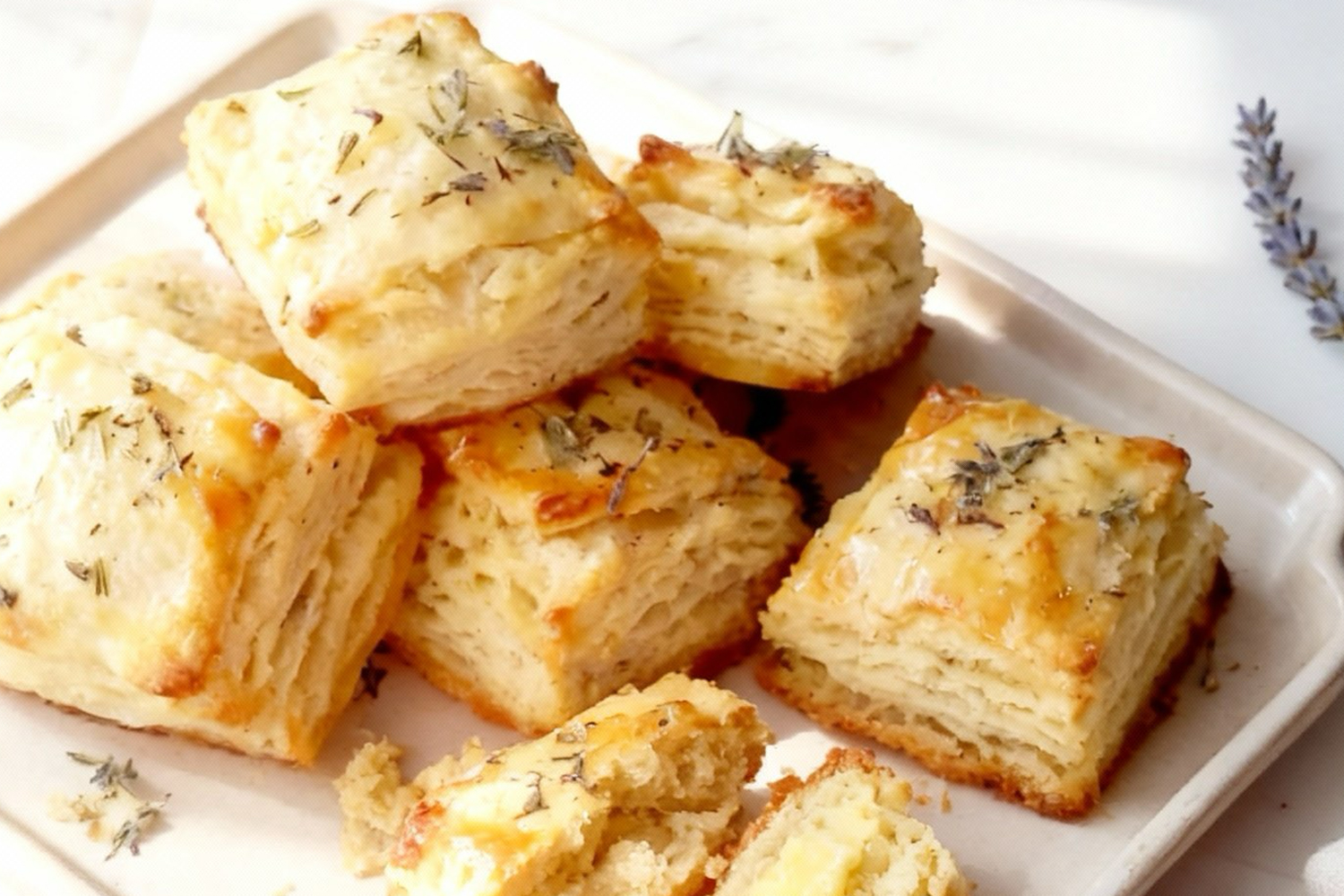
Do you love biscuits infused with delicate floral notes? You’ve landed on the right post.
My honey lavender biscuits combine tender, buttery layers with the gentle sweetness of honey and the subtle aroma of lavender, creating a treat that’s both comforting and unique.
Perfect for breakfast, afternoon tea, or a light dessert, htese honey lavender biscuits are as versatile as they are flavorful.
Whether shared with friends or savored on your own, these biscuits feel like a little piece of luxury at home.
Let’s dive in!
Why You’ll Love This Recipe
These biscuits are lightly sweet, aromatic, and delicately floral with natural honey and lavender. They’re sophisticated, comforting, and perfect for brunch, afternoon tea, or a special occasion treat.
What Makes Them Special
- Lightly sweetened with natural honey
- Subtle lavender fragrance
- Tender, soft texture
- Elegant and versatile
- Perfect for gifting or serving
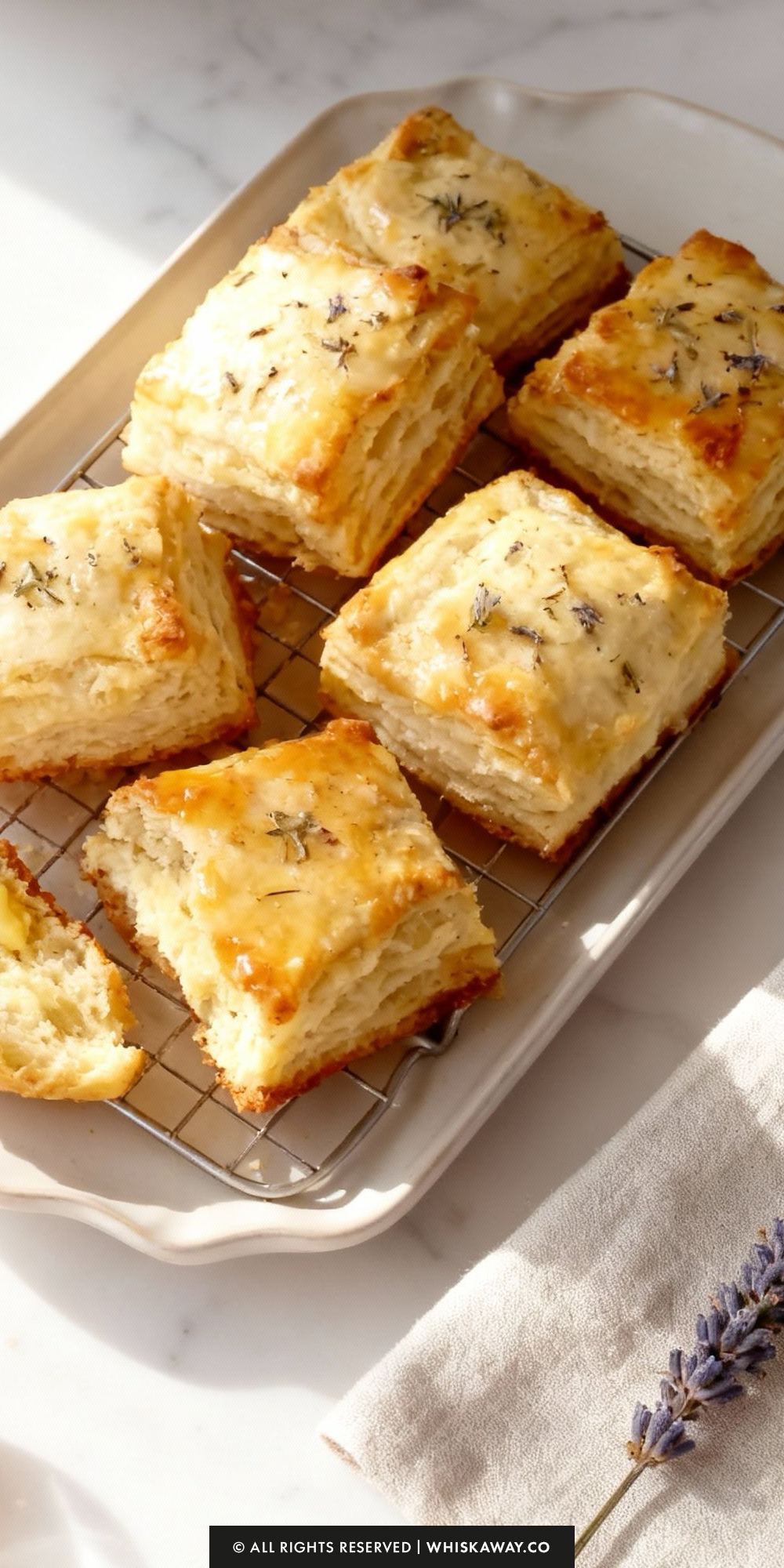
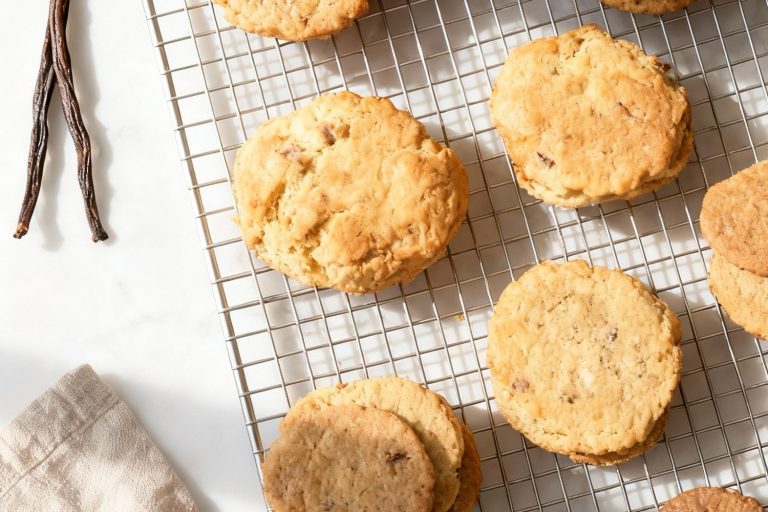
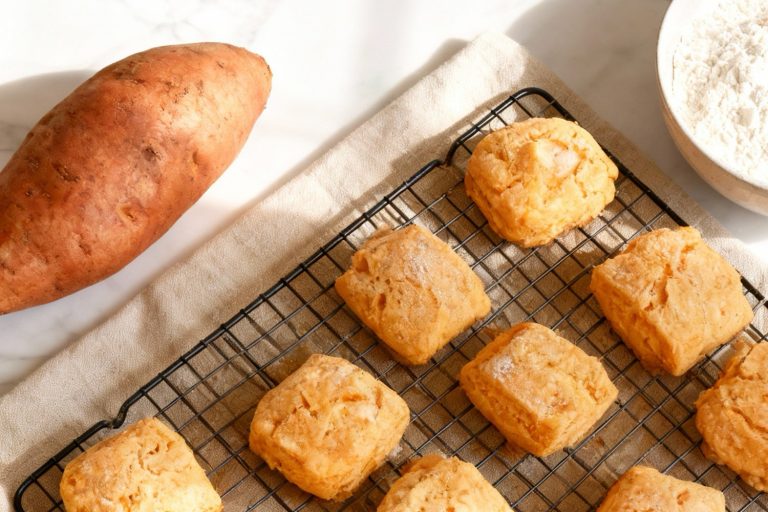
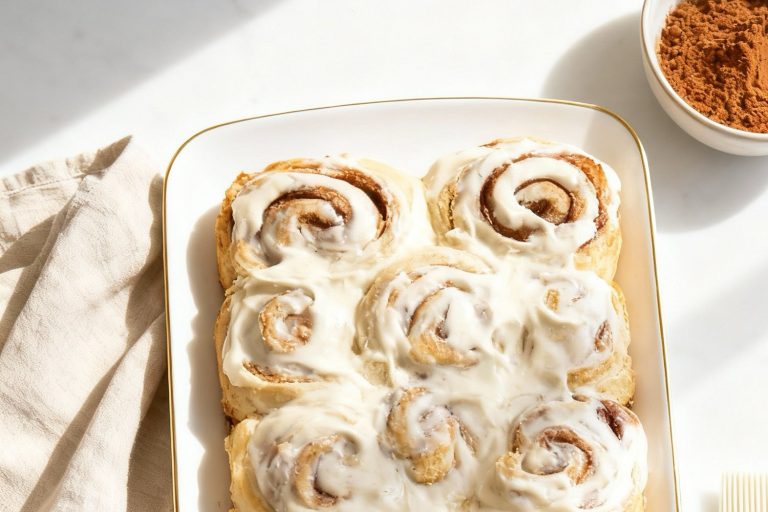
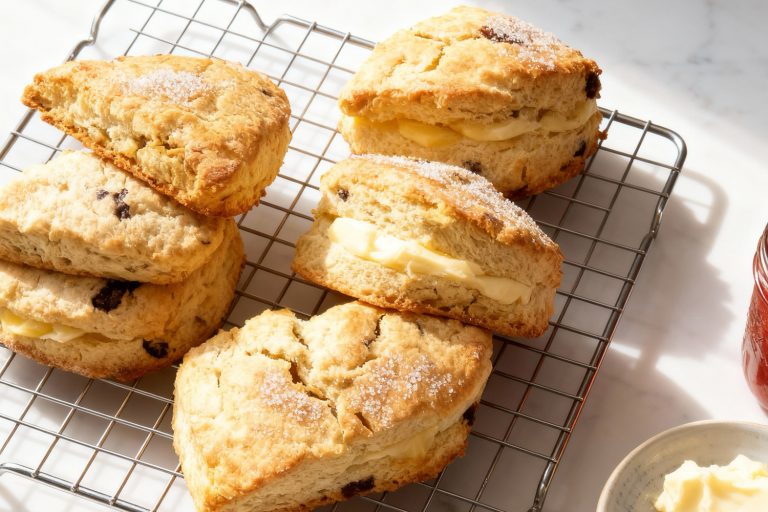
🔥 These honey lavender biscuits are delicate and floral, perfect for afternoon tea. If you enjoy unique flavor combinations, pistachio rosewater biscuits are a lovely follow-up. For something more traditional, vanilla bean biscuits or sweet shortcake biscuits are great alternatives.
Save This Pin To Your Pinterest Board for Later

How to Get Your Honey Lavender Biscuits Just Right
1. Keep the Butter Cold
Cold butter is essential for flaky, layered biscuits. When folding and rolling, avoid letting the butter warm too much.
f your hands or surface are warm, lightly flour them and work quickly. Overly soft butter will result in dense, flat biscuits.
2. Don’t Overmix the Dough
When combining the wet and dry ingredients, fold gently and just until the dough comes together.
Overworking the dough develops gluten and can lead to tough biscuits. A slightly shaggy, uneven dough is perfect.
3. Layering is Key
The folding steps create the layers that make these biscuits tall and fluffy. Stick to the recommended 2–3 folds. More folds compress the dough, reducing rise.
4. Chill Between Steps
Refrigerating the dough and butter slab between folds keeps the layers distinct and prevents the butter from melting prematurely. Even a short 15-minute chill improves texture significantly.
5. Handle Dough Gently When Cutting
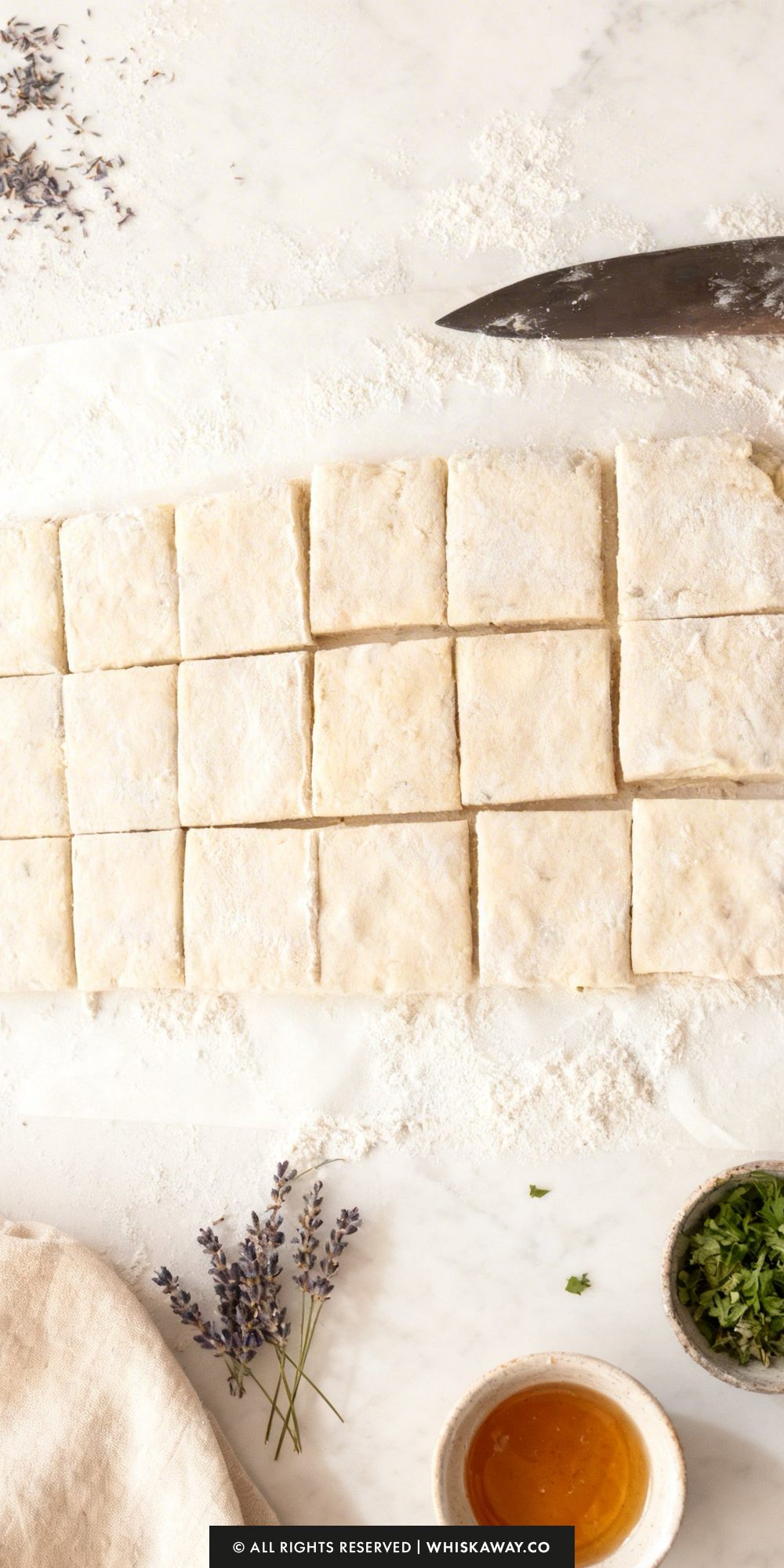
Use a sharp knife to cut biscuits in a single motion. Avoid dragging or sawing the knife, which can pinch the sides and cause uneven rise.
6. Freeze Briefly Before Baking
A quick freeze of 5–10 minutes firms the butter again and helps the biscuits puff beautifully in the oven.
7. Monitor Baking Closely
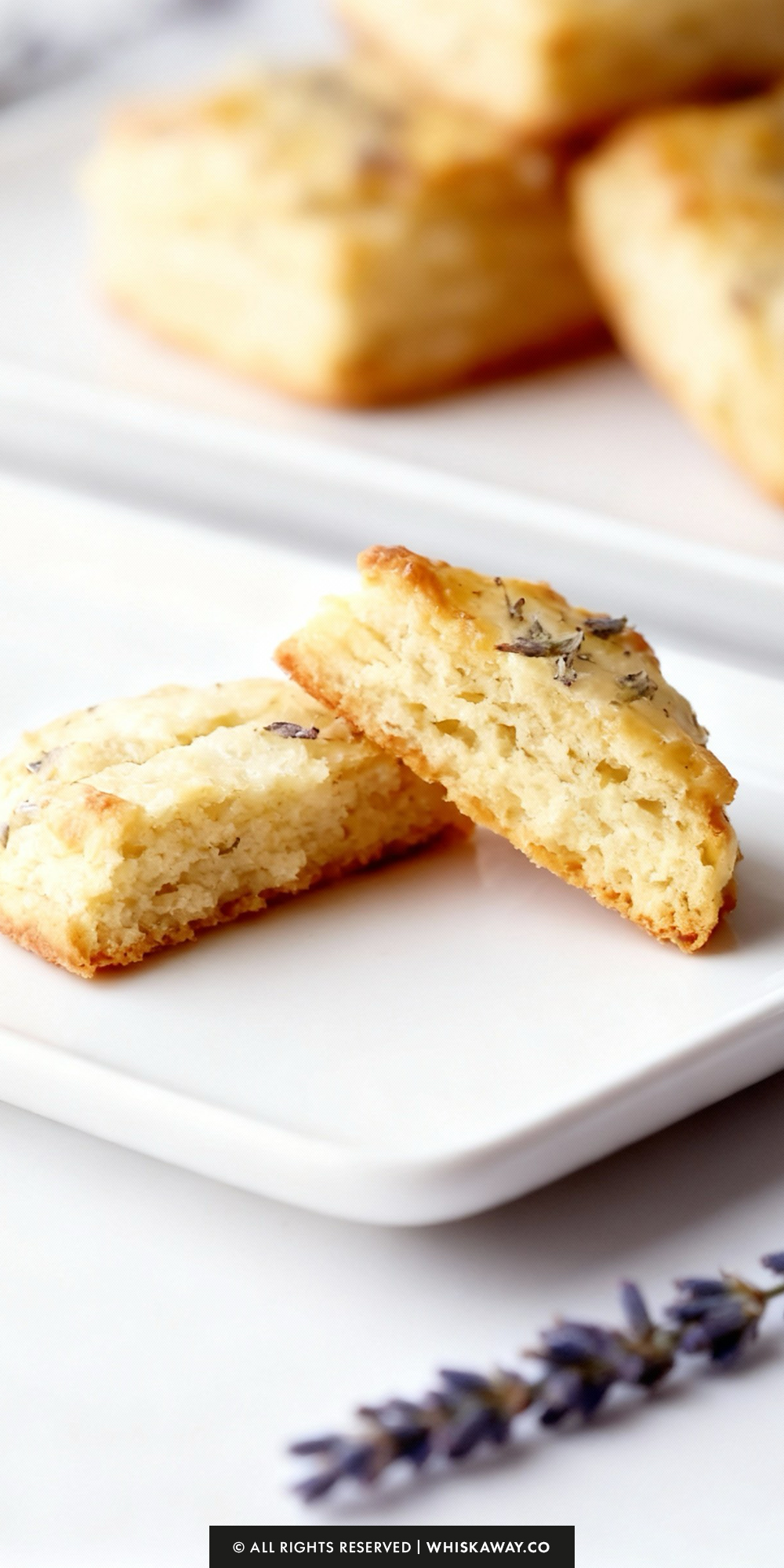
Biscuits should be golden brown on top. Butter may pool slightly during baking—this is normal, but watch carefully so it doesn’t burn. Adjust baking time based on your oven and size of biscuits.
8. Use Quality Ingredients
Freshly crushed lavender, high-quality butter, and pure honey make a noticeable difference in flavor. Avoid overusing lavender, as it can become bitter.
9. Perfect Sweetness
Brushing with the honey-butter glaze adds flavor and shine. For a subtler finish, simply brush with melted butter and lightly sprinkle lavender.
10. Serve Warm
Honey Lavender Biscuits are best enjoyed straight from the oven or slightly cooled. If storing, reheat gently in a low oven (300°F / 150°C) for a few minutes to refresh their softness and aroma.
Easy Baking Tips That Have Worked for Me
When making these biscuits, lightly crush the dried lavender before adding it to the dough so the flavor infuses evenly without creating bitter bites.
Use mild honey rather than a very strong honey, so the sweetness complements the floral lavender instead of overpowering it.
Keep the butter cold and work quickly when mixing so that the biscuits remain light and flaky.
Chilling the dough briefly before baking helps maintain the structure and keeps the biscuits from spreading too much.
Finally, serve them warm to fully enjoy the delicate fragrance and soft, tender texture.
Variation Tips
1. Flavor Tweaks
- Swap honey with maple syrup or agave in the glaze for a different sweetness profile.
- Add lemon or orange zest to the dough for a bright, citrusy note that pairs beautifully with lavender.
- Mix in a pinch of ground cardamom or cinnamon for a warm, aromatic twist.
2. Herb Adjustments
- Replace or combine dried lavender with fresh rosemary or thyme for a more savory, earthy flavor.
- For a subtle floral note without overwhelming the biscuit, reduce lavender by half and add a touch of vanilla extract.
3. Texture Variations
- Stir in slivered almonds or finely chopped pistachios for a delicate crunch.
- For extra tenderness, replace 1–2 tablespoons of all-purpose flour with almond flour.
- To make biscuits flakier, ensure the butter slabs remain slightly frozen and handle dough minimally when rolling and folding.
4. Dairy and Vegan Substitutions
- Replace butter with vegan butter and use plant-based milk (like almond or oat) to make the recipe fully vegan.
- Substitute buttermilk with soy or almond milk plus 1 teaspoon lemon juice or vinegar for a tangy effect.
5. Sweetness and Glaze Options
- Swap the honey-butter glaze with a simple powdered sugar glaze or maple icing for a sweeter topping.
- Skip the glaze entirely for a more subtle, buttery flavor.
6. Savory Twist
Reduce the honey slightly and add grated Parmesan or cheddar with fresh herbs for a floral-savory biscuit perfect for brunch.
7. Size & Shape Adjustments
Use a biscuit cutter for round shapes or a knife for squares. Smaller biscuits bake faster and create more layers per tray.
Adjust thickness to control fluffiness as thicker biscuits rise taller, while thinner ones bake faster and are more delicate.

How to Properly Store Your Honey Lavender Biscuits
Proper storage is key to keeping your honey lavender biscuits fresh, flavorful, and perfectly textured. Here’s how to handle them at each stage:
1. Room Temperature
- Once baked and cooled, store biscuits in an airtight container at room temperature.
- They will stay fresh for 2–3 days while maintaining their soft, flaky texture.
- Avoid leaving them exposed to air, as this can dry them out.
2. Refrigeration
Refrigeration is generally not necessary for short-term storage, but if your kitchen is very warm, you can refrigerate baked biscuits for up to a week.
Bring chilled biscuits to room temperature or warm gently in a low oven before serving for the best texture.
3. Freezing Baked Biscuits
Baked biscuits freeze well for up to 1 month.
Allow biscuits to cool completely, then place them in a zip-top bag or airtight container. You can layer them with wax paper between each biscuit to prevent sticking.
To reheat, thaw at room temperature for 20–30 minutes, then warm in the oven at 325°F for 5–10 minutes until soft and fragrant.
4. Freezing Unbaked Biscuits (Highly Recommended)
Unbaked biscuits can be frozen for a very long time without affecting their quality.
Once the dough is solid and firm, layer biscuits with wax paper between them and store in a ziplock bag or container. If frozen solid on a tray, they won’t stick and can go straight into storage.
When ready to bake, let the frozen biscuits thaw for 20–30 minutes at room temperature (depending on your kitchen’s temperature) before baking. This ensures even rising and a soft, tender texture.
5. Tips & Common Mistakes
- Avoid thawing frozen dough in the fridge for too long; slow thawing can make the butter too soft and affect flakiness.
- Don’t stack warm biscuits on top of each other as they can stick and lose their crisp edges.
- Always cool baked biscuits completely before freezing to maintain their texture.
By following these storage tips, your honey lavender biscuits can retain their delicate floral aroma and soft, layered texture, even weeks after baking.
Save This Pin To Your Pinterest Board for Later

FAQs
Can I substitute the lavender with another herb or flavor?
Yes! If you don’t have English lavender or prefer a different flavor, you can use dried rosemary, thyme, or lemon zest for a fragrant twist. Just use the same amount as the lavender to avoid overpowering the dough.
Can I make these biscuits dairy-free or vegan?
Absolutely. Use vegan butter or coconut oil instead of regular butter and plant-based milk instead of buttermilk. Keep in mind that baking times may vary slightly, and the texture may be a bit less rich.
How do I ensure the biscuits are light and flaky?
Keep the butter cold and handle the dough minimally.
Fold the dough no more than 2–3 times to create layers.
Chill the dough before baking to prevent butter from melting too quickly. Avoid overworking the dough or letting the butter get too soft.
How should I store leftover biscuits, and how long will they last?
Baked biscuits: Store in an airtight container at room temperature for 2–3 days, or freeze for up to 1 month. Reheat briefly in the oven before serving.
Unbaked biscuits: Freeze solid in wax paper-layered containers or bags. Thaw at room temperature for 20–30 minutes before baking. They can last for several weeks in the freezer while maintaining their flavor and texture.
What’s the best way to serve these biscuits?
Serve warm, brushed with honey or melted butter. They pair beautifully with tea, brunch spreads, or fresh fruit. You can also sprinkle a bit of extra crushed lavender on top for a pretty, aromatic presentation.
Honey Lavender Biscuits
4
biscuits30
minutes40
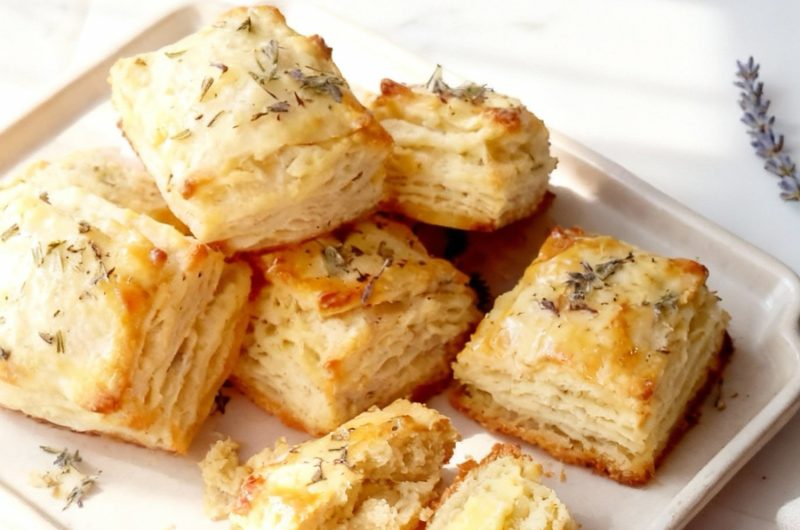
minutesWant a delicate floral flavor? These honey lavender biscuits are soft, lightly sweet, and perfect for tea time or brunch.
Ingredients
- For the Honey Beurrage
2 sticks salted butter, softened & room temperature
2 tablespoons honey
1 tablespoon white granulated sugar
- For the Biscuit Dough
3 cups all-purpose flour
1 1/4 cups cold buttermilk
5 tablespoons butter, shredded and frozen
2 tablespoons white granulated sugar
2 tablespoons baking powder
1 large garlic clove, finely minced
1 1/2 teaspoons English lavender, crushed
1/2 teaspoon dried parsley
1 teaspoon salt
1/8 teaspoon dried thyme
1/8 teaspoon dried sage
- For the Topping
3 tablespoons honey
2 tablespoons salted butter, melted
1 teaspoon English lavender, crushed lightly
Directions
- Honey Beurrage
- In a stand mixer or a medium bowl, combine the butter, sugar, and honey. Mix until just blended.
- Transfer the honey butter onto a piece of wax paper. Fold the paper to create a roughly 5×5-inch package.
- Using a rolling pin, gently flatten the butter into a square slab. If using your hands, avoid pressing too hard so the butter doesn’t melt from your body heat.
- Refrigerate the slab until needed.
- Biscuit Dough
- In a large mixing bowl, combine all the dry ingredients and aromatics (flour, baking powder, salt, sugar, garlic, lavender, parsley, thyme, and sage). Stir to evenly distribute.
- Pour the cold buttermilk into the dry ingredients. Use a spatula or wooden spoon to fold the mixture together gently, employing a cutting motion to incorporate moisture without overmixing. The dough should remain slightly shaggy.
- Transfer the dough onto a piece of wax paper. Working quickly so the butter doesn’t warm, press and knead it lightly into a rough block. Some unevenness is fine.
- Fold the wax paper around the dough to form a loose package. Roll the dough lightly with a rolling pin and refrigerate for 15–30 minutes to rest. The dough can also chill overnight if needed.
- Assembling the Biscuits
- If the honey butter slab is very firm, allow it to soften slightly until it can bend without breaking.
- On a lightly floured surface, roll the biscuit dough to a size large enough to fully encase the butter slab. Place the butter in the center and fold the dough over, sealing the edges.
- Place the dough block onto a floured sheet of wax paper. Roll it into a rectangle roughly 14×7 inches. Fold the rectangle into thirds like a letter envelope.
- Refrigerate for 15 minutes, then repeat the folding process one or two more times (maximum three folds) to build layers. Avoid overfolding to ensure tall, fluffy biscuits.
- Roll the dough again to a thickness of about 1/2 inch, maintaining a 14×7-inch rectangle. Trim uneven edges for clean squares.
- Using a sharp knife, cut the dough into squares in one quick motion. Avoid dragging the knife to prevent compressed, uneven layers. This recipe yields 24 small biscuits.
- Freezing and Baking
- Place the cut biscuits in the freezer for 5–10 minutes to firm up the butter, which will help them rise quickly in the oven.
- Preheat the oven to 400°F (205°C).
- Line a baking sheet with parchment paper and arrange 6–8 biscuit squares at a time, leaving space between them. If the biscuits are fully frozen, allow them to thaw slightly at room temperature for 20 minutes.
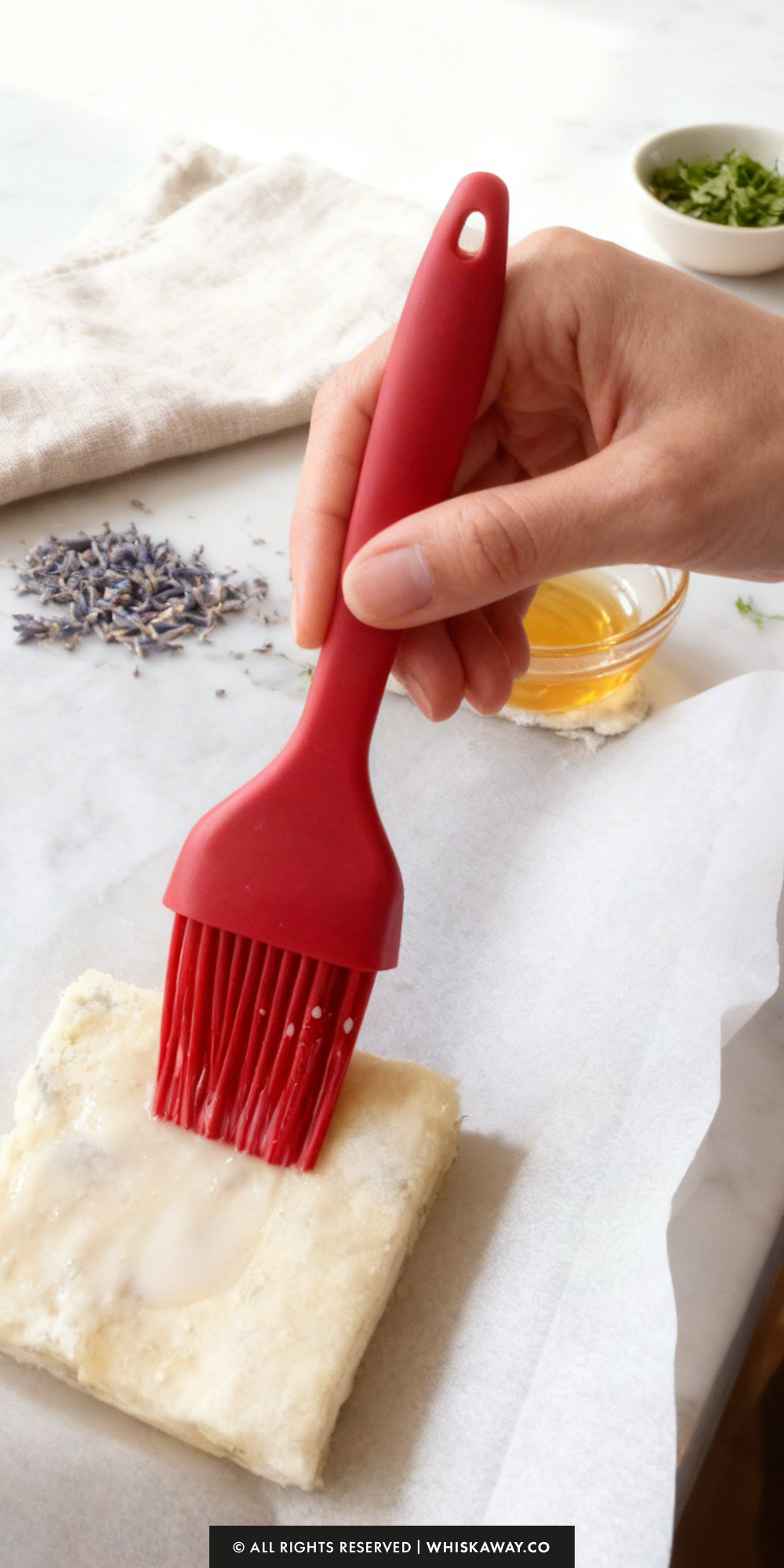
- Lightly brush the tops with buttermilk. Bake for 25 minutes, or until golden brown on top. The butter may pool around the edges. Watch carefully to prevent burning.
- Topping
- While the biscuits bake, melt the topping butter and honey over gentle heat on the stove or in the microwave.
- Once baked, brush the warm biscuits with the honey-butter glaze. Sprinkle lightly with crushed lavender for garnish.
- For a less sweet version, simply brush with melted butter instead of the honey glaze.