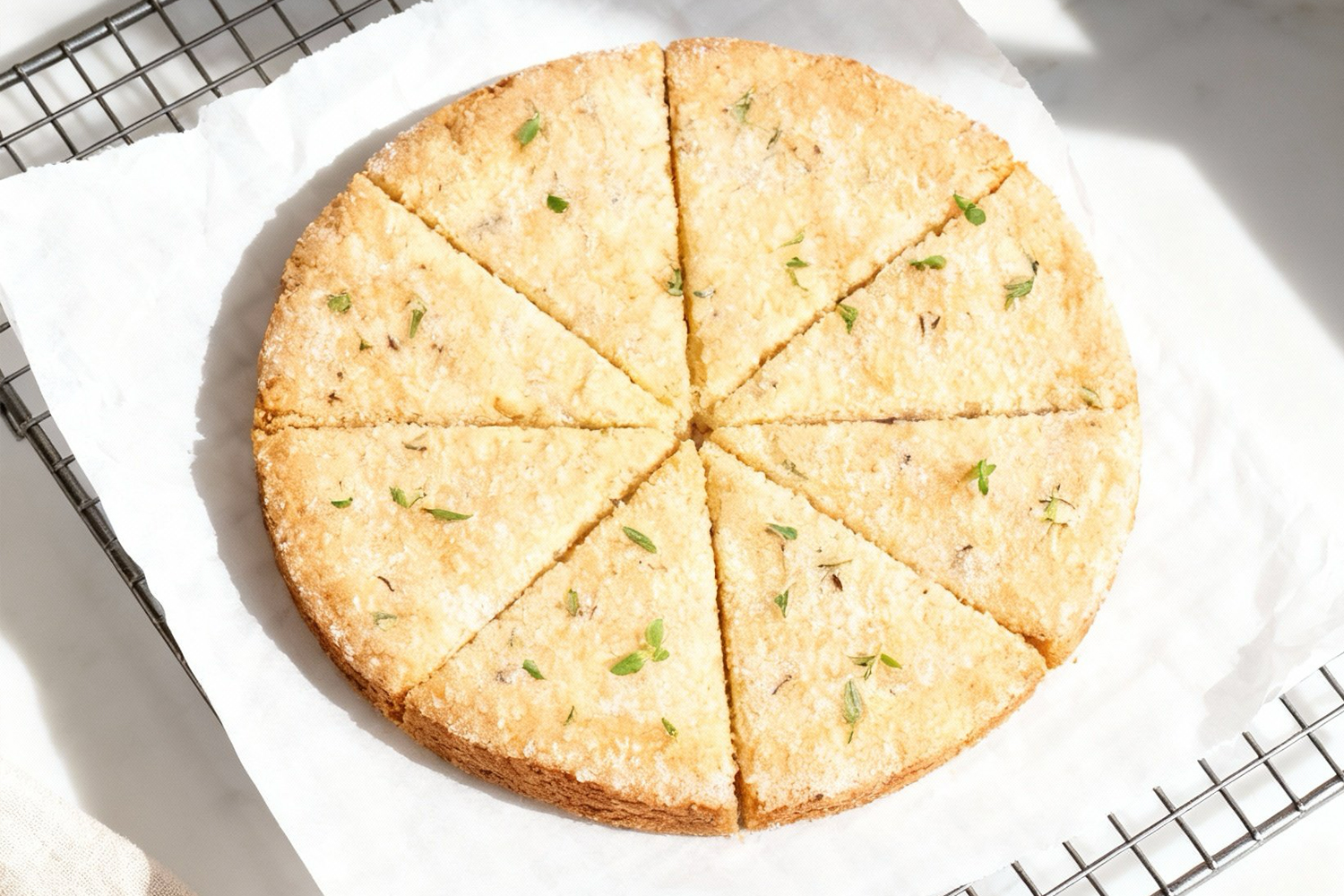
Looking for a dessert that feels fresh, bright, and slightly herbal?
Why not try my lemon thyme shortcakes?
These shortcakes are easy to make and assemble.
The lemon adds brightness, while thyme gives a subtle aromatic note that complements the buttery biscuit.
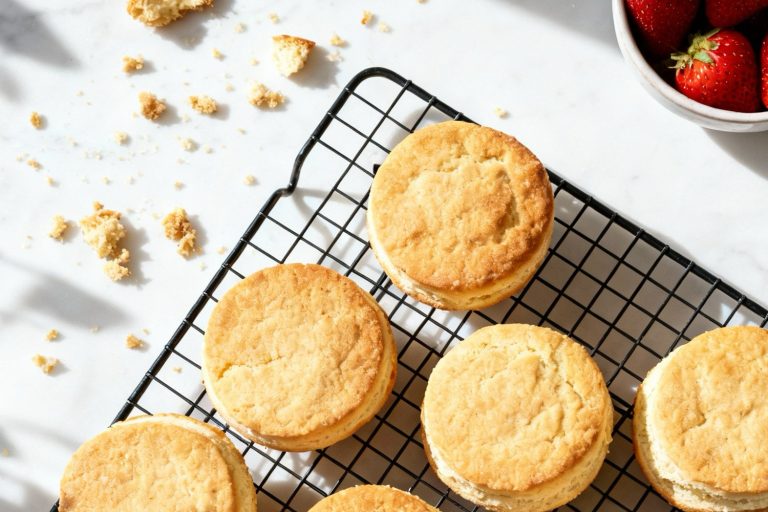
Top with fresh berries or whipped cream for a refreshing finish.
The combination of citrus, herbs, and tender biscuit makes them a sophisticated dessert that’s perfect for entertaining or treating yourself.
Ready to bake? Let’s start!
Why You’ll Love This Recipe
Bright, citrusy lemon pairs perfectly with subtle thyme in these delicate shortcakes. Lightly sweet and fragrant, they’re ideal for spring or summer desserts and a refreshing change from traditional flavors.
What Makes Them Special
- Fresh, zesty lemon flavor
- Hint of herbaceous thyme
- Light, tender, and slightly crumbly
- Perfect for layering with berries or cream
- Refreshing and elegant dessert option
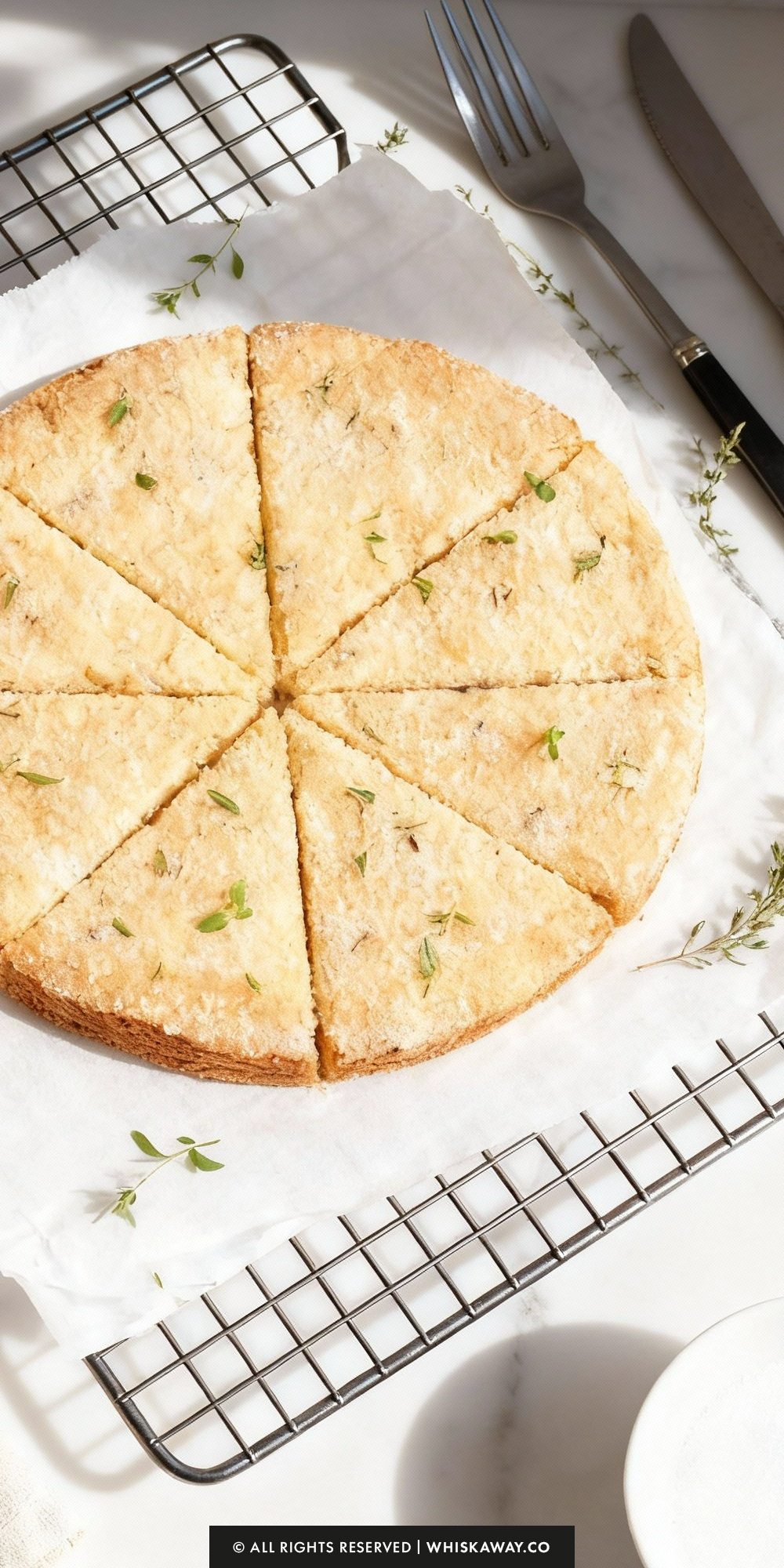
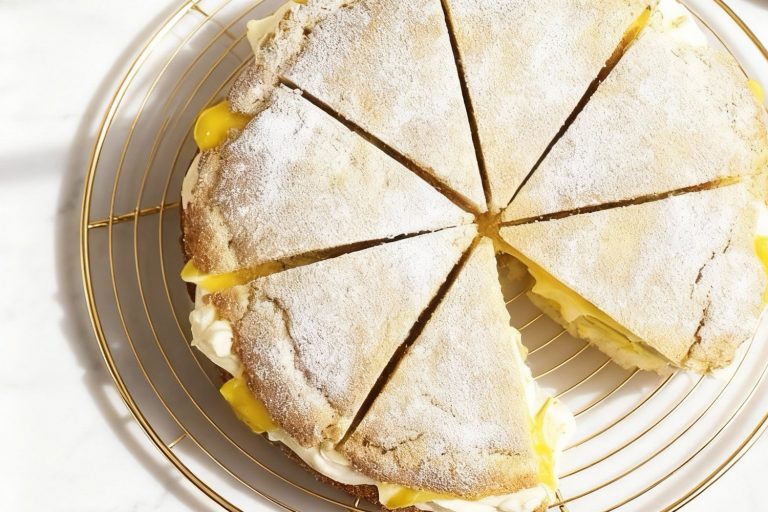
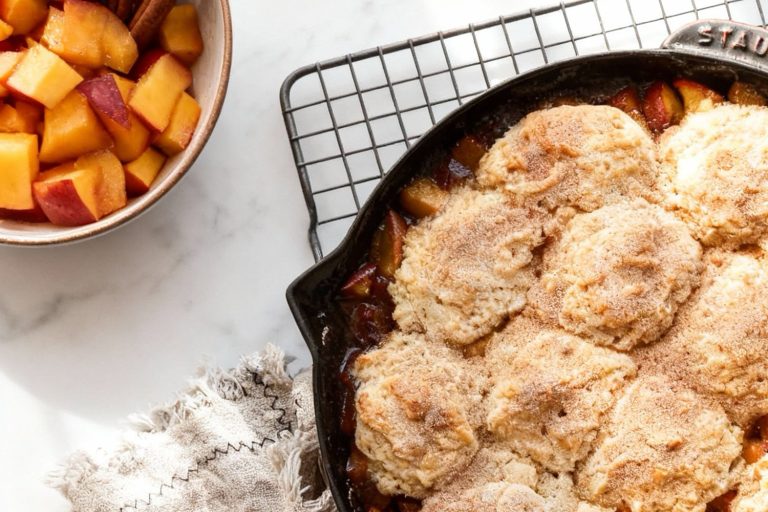
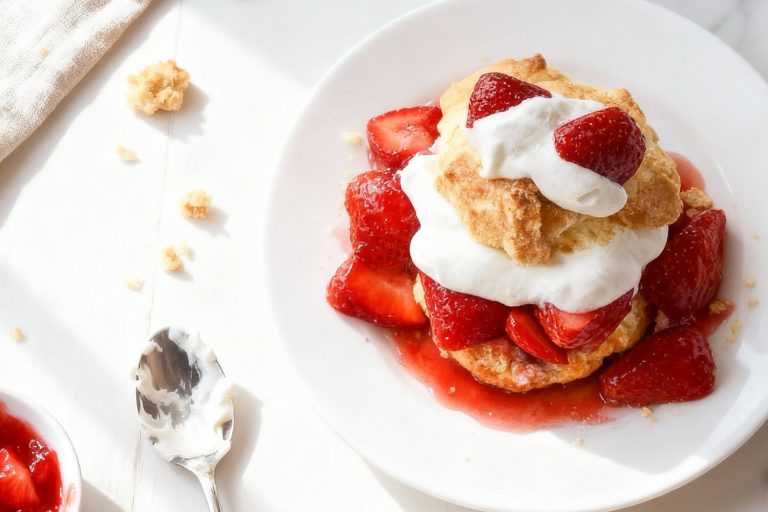
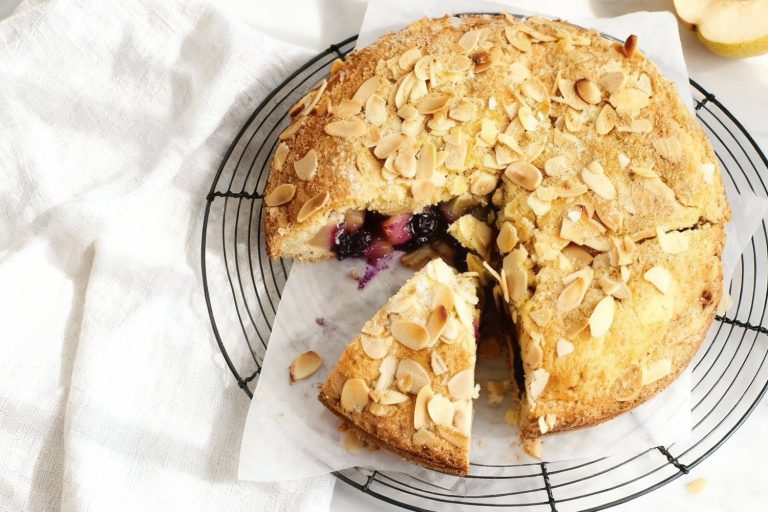
🔥 Bright and fragrant, these lemon thyme shortcakes pair beautifully with fresh berries or whipped cream. If you love citrus flavors, try lemon curd shortcakes for extra tang, strawberry shortcake for a classic version, or spiced pear blueberry shortcakes for a more seasonal twist.
How to Get Your Lemon Thyme Shortcakes Just Right
Making perfect Lemon Thyme Shortcakes is all about balancing delicate texture with bright, fragrant flavor.
Here’s how to ensure they turn out beautifully every time:
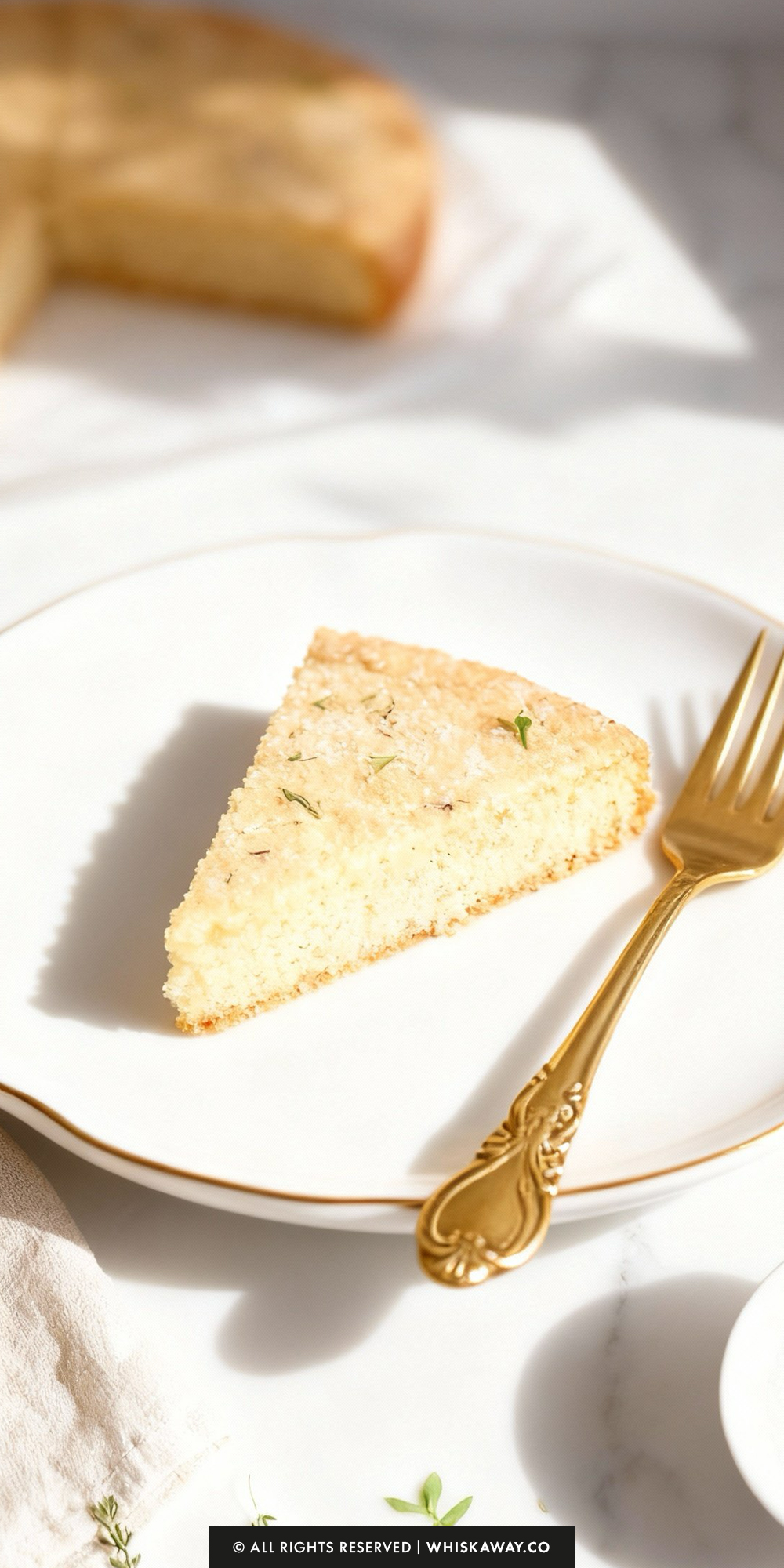
1. Use Very Soft Butter (Not Melted)
The butter should be extremely soft so it blends smoothly with the sugar and lemon, but avoid melting it. Melted butter will make the dough greasy and dense instead of tender and crumbly.
2. Mix Gently After Adding Flour
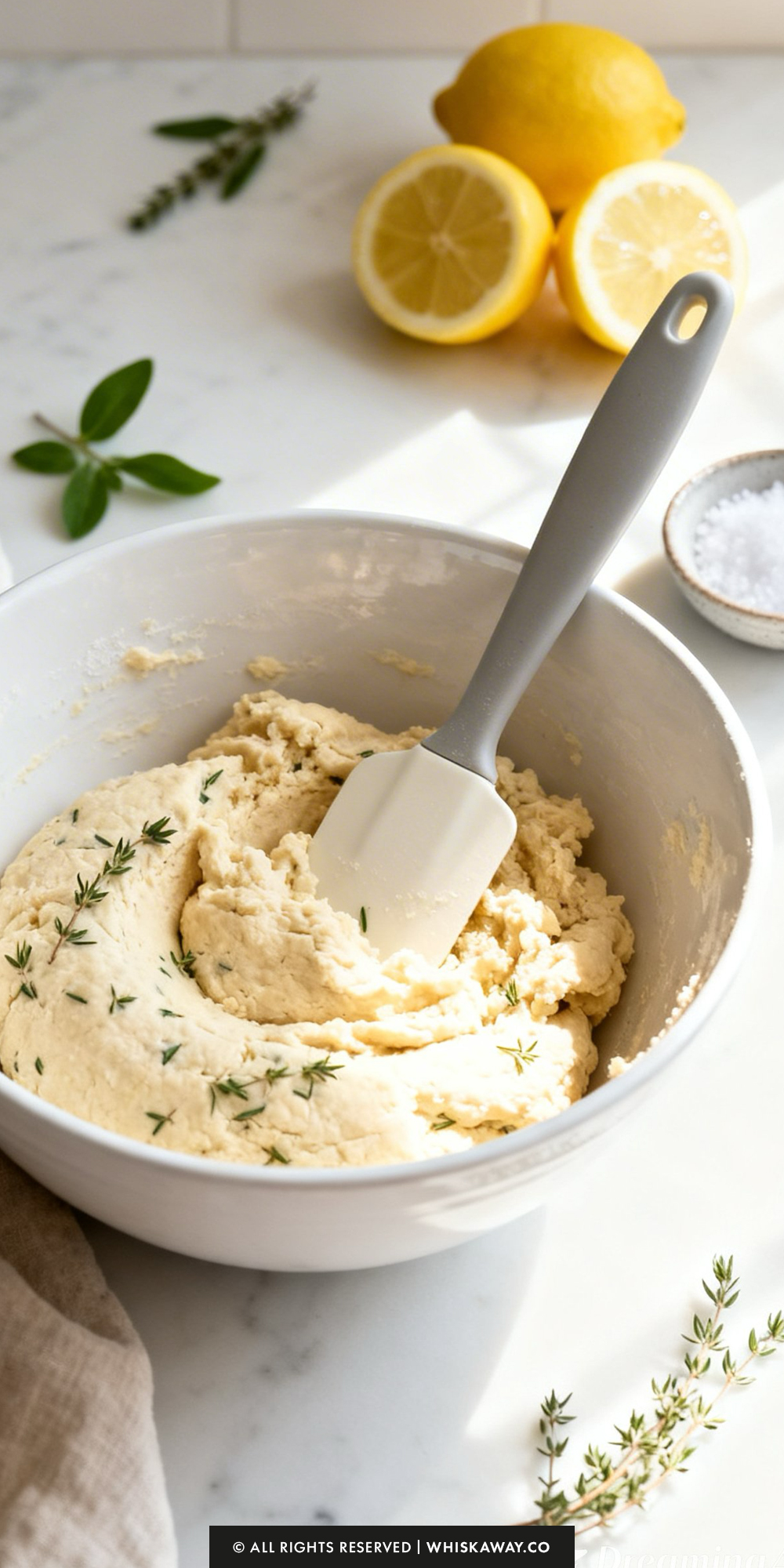
Overmixing shortbread-style dough leads to a tough texture. Once the flour goes in, stir only until it disappears. The dough should look sandy and crumbly and that’s exactly right.
3. Press the Dough Firmly Into the Pan
Loose crumbs along the edges can burn or fall apart when unmolding. Use your fingertips or the bottom of a measuring cup to compress the dough into an even, compact layer.
4. Bake Until Deep Golden Brown
Color is key to flavor. Removing the shortcakes too early leads to a pale, doughy result. Bake until the top is richly golden; this ensures crisp edges and a fragrant, toasted-butter flavor.
5. Use Two Pans for Even Baking
Placing the cake pan on a foil-lined sheet pan helps distribute heat and prevents the bottom from over-browning—especially important for shortbread-style recipes.
6. Don’t Skip the Rest After Baking
Allow the shortcake to cool slightly before cutting. Warm shortbread is very fragile and will crumble apart. A sharp knife and a fully cooled slab make clean, neat wedges.
7. Crispier Texture? Add a Final Bake
If you prefer a crunchy cookie-like finish, pop the cut pieces back into the oven for 5 minutes. This trick removes extra moisture and intensifies the buttery flavor.
8. Choose Fresh, Fragrant Thyme
Soft, green thyme leaves deliver the best aroma. Avoid woody, dried-out sprigs as they don’t release nearly as much flavor.
9. Lemon Balance Matters
Use both the zest and juice for brightness without overwhelming the buttery base. Adding extra juice can make the dough too wet, so stick to the recipe for best structure.
Easy Baking Tips That Have Worked for Me
Zest your lemon directly into the sugar to release essential oils and maximize citrus flavor. Use thyme sparingly so it doesn’t overpower the delicate lemon flavor.
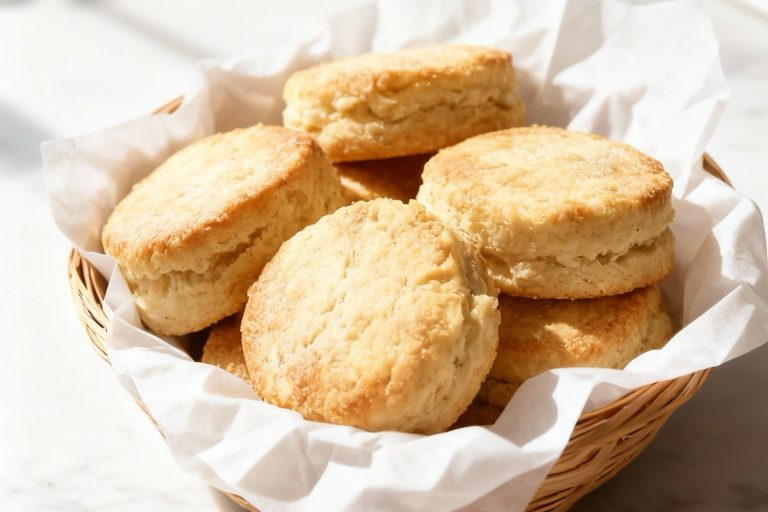
Slightly underbake the biscuits to keep the interiors soft and tender.
Brushing them with a light lemon glaze after baking enhances the flavor and gives a beautiful shine.
Always handle the dough gently so the layers remain soft and fluffy rather than dense.
Variation Tips
Want to personalize your Lemon Thyme Shortcakes or adapt them to different tastes and diets?
Here are easy, creative ways to switch things up while keeping the buttery shortcake base intact:
1. Switch Up the Herbs
- Lavender: Add ½–1 teaspoon dried culinary lavender for a floral twist.
- Rosemary: Swap thyme for finely chopped rosemary for a piney, savory note.
- Basil or Mint: Fresh, finely chopped herbs give a bright, summery flavor.
2. Try Different Citrus
- Orange Zest: Sweeter and slightly floral—delicious paired with thyme or rosemary.
- Lime Zest: A punchier, tropical acidity that brightens the butteriness.
- Grapefruit Zest: Subtle bitterness complements the buttery shortbread beautifully.
3. Adjust the Texture & Crunch
- Extra Crisp: Bake the cut pieces an additional 5–7 minutes for a crunchier shortbread.
- Softer Texture: Reduce baking time by 3–5 minutes for a more tender, melt-in-your-mouth bite.
- More Crunch on Top: Increase the sanding sugar topping or use coarse Demerara for added sparkle.
4. Add Flavor Boosters
- Vanilla Bean: Swap the extract for ½ teaspoon vanilla paste.
- Almond Extract: A few drops make the shortcakes taste bakery-fresh.
- Honey or Maple: Replace 1–2 teaspoons of granulated sugar with honey or maple syrup for warmth (just don’t add too much liquid).
5. Flour Alternatives
- Whole Wheat Pastry Flour: Use up to 50% for a nutty flavor without losing tenderness.
- Gluten-Free Flour Blend: Substitute a cup-for-cup GF baking blend; add 1 extra tablespoon for better structure.
6. Dairy-Free Options
- Butter Swap: Use a high-quality dairy-free butter block (not margarine).
- Flavor Option: Coconut-oil-based vegan butters pair surprisingly well with lemon and thyme.
7. Sweet or Fruity Add-Ins
- White Chocolate Chunks: A small handful adds creamy sweetness.
- Dried Blueberries or Cranberries: Chop finely and fold into the dough before pressing it into the pan.
- Poppy Seeds: Add 1 tablespoon for a classic lemon-poppy twist.
8. Presentation Ideas
- Cut Shapes: Use cookie cutters for hearts, circles, or bars instead of the traditional wedges.
- Glazed Finish: Drizzle with a thin lemon glaze for an extra citrus pop.
- Infused Sugar: Rub lemon zest into the sugar topping before sprinkling.
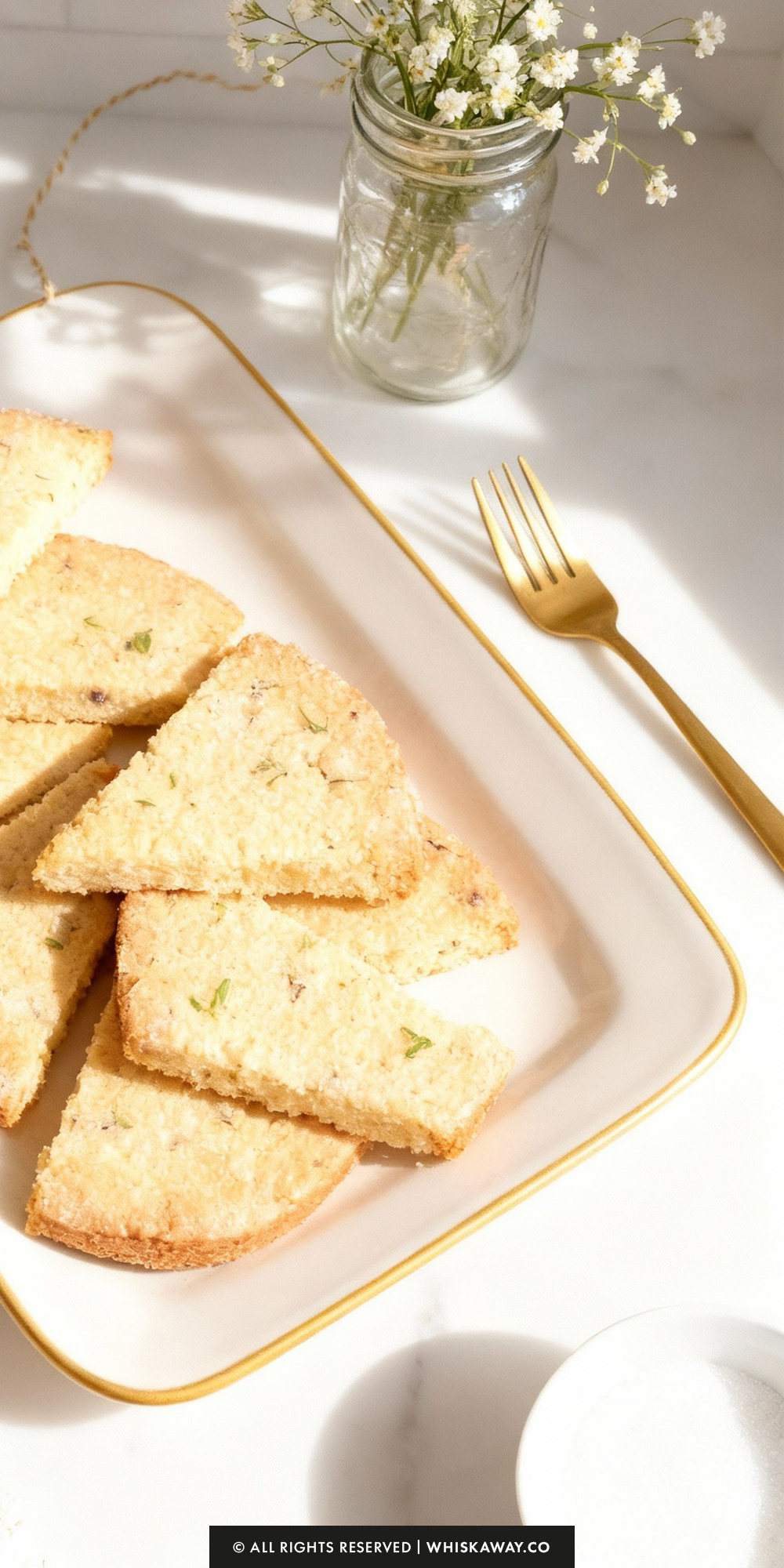
How to Properly Store Your Lemon Thyme Shortcakes
Proper storage is key to keeping your Lemon Thyme Shortcakes fresh, flavorful, and crisp.
Here’s how to store them safely and enjoy them over time:
1. Room Temperature
Method: Store the shortcakes in an airtight container at room temperature.
Duration: Up to 5–7 days.
- Layer pieces with parchment paper to prevent sticking.
- Keep away from direct sunlight or heat, which can soften or discolor the shortcakes.
- Avoid leaving uncovered, as the biscuits can dry out or absorb unwanted odors.
2. Refrigeration
Method: Place the shortcakes in an airtight container or wrap tightly in plastic wrap.
Duration: Up to 2 weeks.
- Refrigeration may slightly soften the exterior, but the interior remains tender.
- Allow to come to room temperature before serving for the best texture and flavor.
3. Freezing
Method: Wrap individual or cut shortcakes tightly in plastic wrap, then place in a freezer-safe zip-top bag or airtight container.
Duration: Up to 3 months.
- Thaw overnight in the refrigerator or at room temperature for several hours.
- For a freshly baked taste, briefly warm in a 325°F (160°C) oven for 5–7 minutes after thawing.
- Avoid freezing uncovered shortcakes, as they can absorb freezer odors and become dry.
4. Common Mistakes to Avoid
Overbaking before storage: Fully browned edges are fine, but overbaking can make the shortcakes dry when stored.
Stacking without protection: Direct stacking can cause sticking or flattening. Use parchment between layers.
Excess moisture in storage: Make sure the shortcakes are fully cooled before sealing to prevent sogginess or mold.
Pro Tip: For extra freshness, store half the batch for immediate enjoyment at room temperature and freeze the rest for later. This way, you can always enjoy shortcakes with that just-baked texture.
Save This Pin for Later to Your Pinterest Board
FAQs
Can I use unsalted butter instead of salted butter?
Yes! If using unsalted butter, add a pinch of extra salt (about 1/8 teaspoon) to the dough to enhance flavor. Salted butter works well, but unsalted gives you more control over the seasoning.
Can I substitute another herb for thyme?
Absolutely. Rosemary, lavender, or even a combination of lemon zest with a hint of mint can work beautifully. Use fresh herbs for the best flavor, but dried herbs can be used at half the amount.
How do I prevent the shortcakes from crumbling or falling apart?
Ensure the butter is very soft and well incorporated.
Press the dough firmly and evenly into the pan to hold it together.
Avoid overmixing after adding the flour; this can make the shortcakes tough.
How long do Lemon Thyme Shortcakes stay fresh?
Room temperature: Up to 5–7 days in an airtight container.
Refrigerated: Up to 2 weeks.
Frozen: Up to 3 months (thaw overnight and optionally warm before serving).
What are some serving suggestions?
Enjoy as-is with tea or coffee.
Serve with fresh berries and lightly sweetened whipped cream.
Drizzle with a lemon glaze or honey for extra sweetness.
Garnish with a few fresh thyme leaves for an elegant touch.
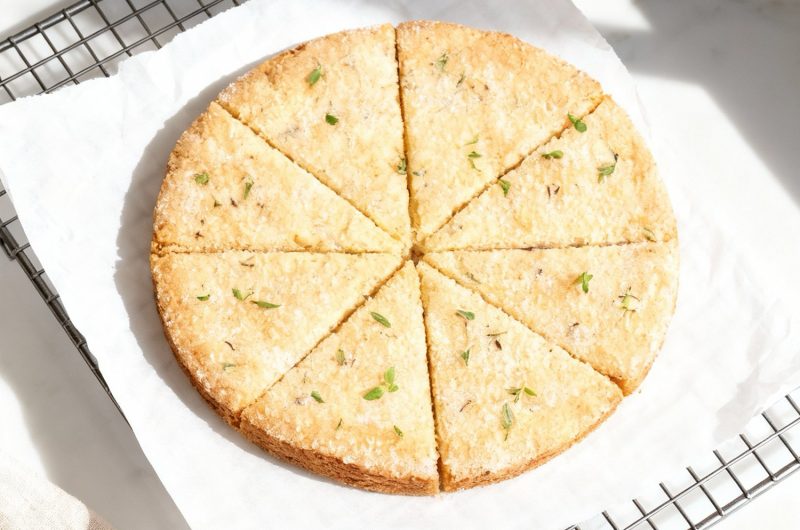
Lemon Thyme Shortcakes
12
shortcakes15
minutes40
minutesThis lemon thyme shortcakes recipe is bright, citrusy, and lightly herbed for a fresh twist on traditional shortcakes.
Ingredients
2 cups all-purpose flour
1 cup very soft butter, I use salted
½ cup granulated sugar
2 tablespoons sanding sugar, Demerara, Turbinado or regular granulated sugar
2 teaspoons fresh lemon juice
1 tablespoon fresh thyme leaves
½ teaspoon vanilla extract
½ teaspoon kosher salt
zest from one medium size lemon
fresh thyme leaves, for garnish, if desired
Directions
- Preheat your oven to 325°F. Lightly grease an 8- or 9-inch cake pan (round or square) with baking spray, then line the bottom with parchment paper. Line a separate sheet pan with foil. Set both aside.
- In a medium to large mixing bowl, combine the softened butter, granulated sugar, lemon zest, lemon juice, and vanilla. Mix for about 30 seconds, or until the mixture becomes smooth and creamy.
- Add the flour, fresh thyme, and salt to the bowl. Stir just until the flour disappears—your mixture will look crumbly. Transfer the dough into the prepared cake pan and press it down firmly, smoothing it into an even layer and eliminating any loose crumbs around the edges. Sprinkle the top with sanding sugar.
- Place the cake pan on top of the foil-lined sheet pan. Bake for 35–45 minutes, or until the top turns a deep golden brown. (A smaller pan will create a thicker shortbread and may require the full baking time.)
- Once baked, flip the shortbread out onto a flat plate. Set a second plate on top and invert again so the sugared surface faces up.
- Slide the shortbread onto a cutting board and, if you’d like extra sparkle, sprinkle a bit more sugar on top. Use a long, sharp knife to slice it into wedges—or squares/rectangles if using a square pan. Move the pieces to a wire rack to cool completely. Store in an airtight container once cooled.
- If you enjoy an extra-crisp texture, place the wire rack (with the cut pieces on it) over a sheet pan and return everything to the oven for 5 more minutes. Cool the shortbread fully on the rack afterward.
- Garnish with a few additional fresh thyme leaves before serving, if desired.