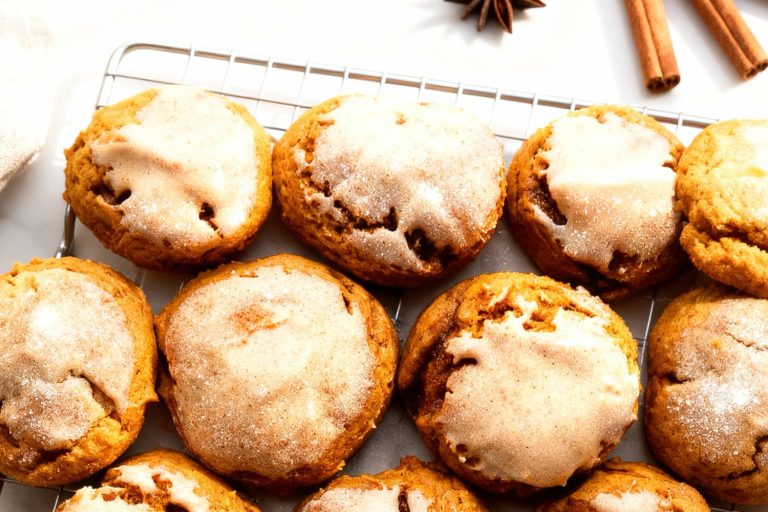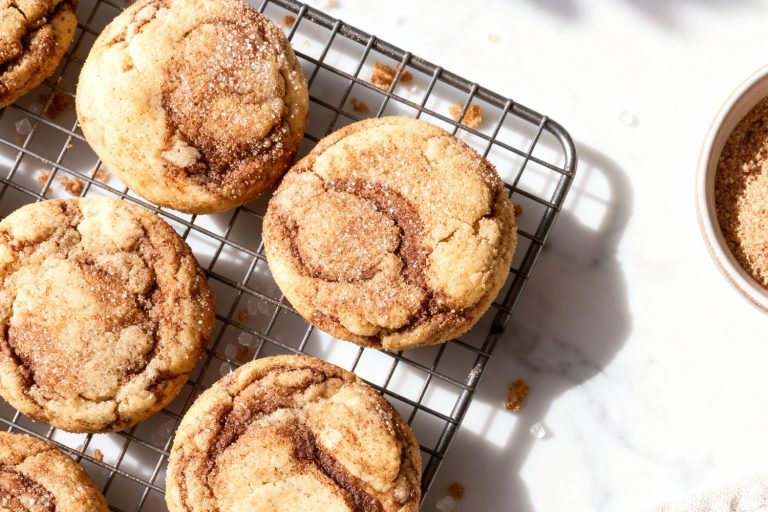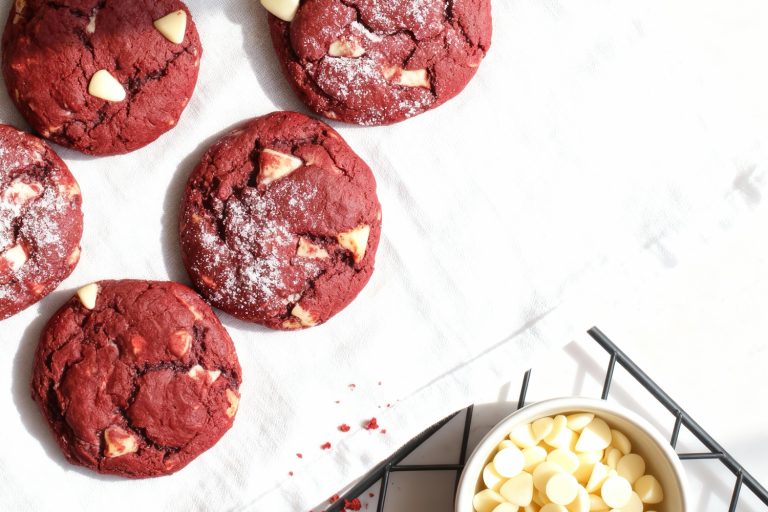

Sugar cookies are a timeless classic that everyone loves. Soft, buttery, and sweet without being overpowering, they’re perfect for decorating or enjoying plain.
Their delicate texture and subtle vanilla flavor make them endlessly versatile for any occasion.
Baking sugar cookies is surprisingly simple. With pantry staples like butter, sugar, and flour, you can create a batch that smells like home and tastes just as comforting.
Decorate with icing, sprinkles, or just enjoy them plain. They’re perfect for gifting or indulging yourself.
Every bite of sugar cookies is soft, sweet, and satisfying. They’re the kind of treat that brings a smile instantly, whether it’s for a celebration or a quiet afternoon snack.
How to Make Sugar Cookies
These sugar cookies are soft, buttery, and easy to work with, making them perfect for any occasion.
They hold their shape, bake evenly, and taste just as good plain as they do decorated.
Start here and make sugar cookies that always turn out.

🔥 Soft, sweet, and endlessly versatile, sugar cookies are a foundational bake. If you enjoy decorating or simple, crowd-pleasing flavors, these are perfect next steps.
How to Get Your Sugar Cookies Just Right
Getting perfectly soft, tender, and flavorful sugar cookies takes a mix of proper technique, timing, and attention to detail.
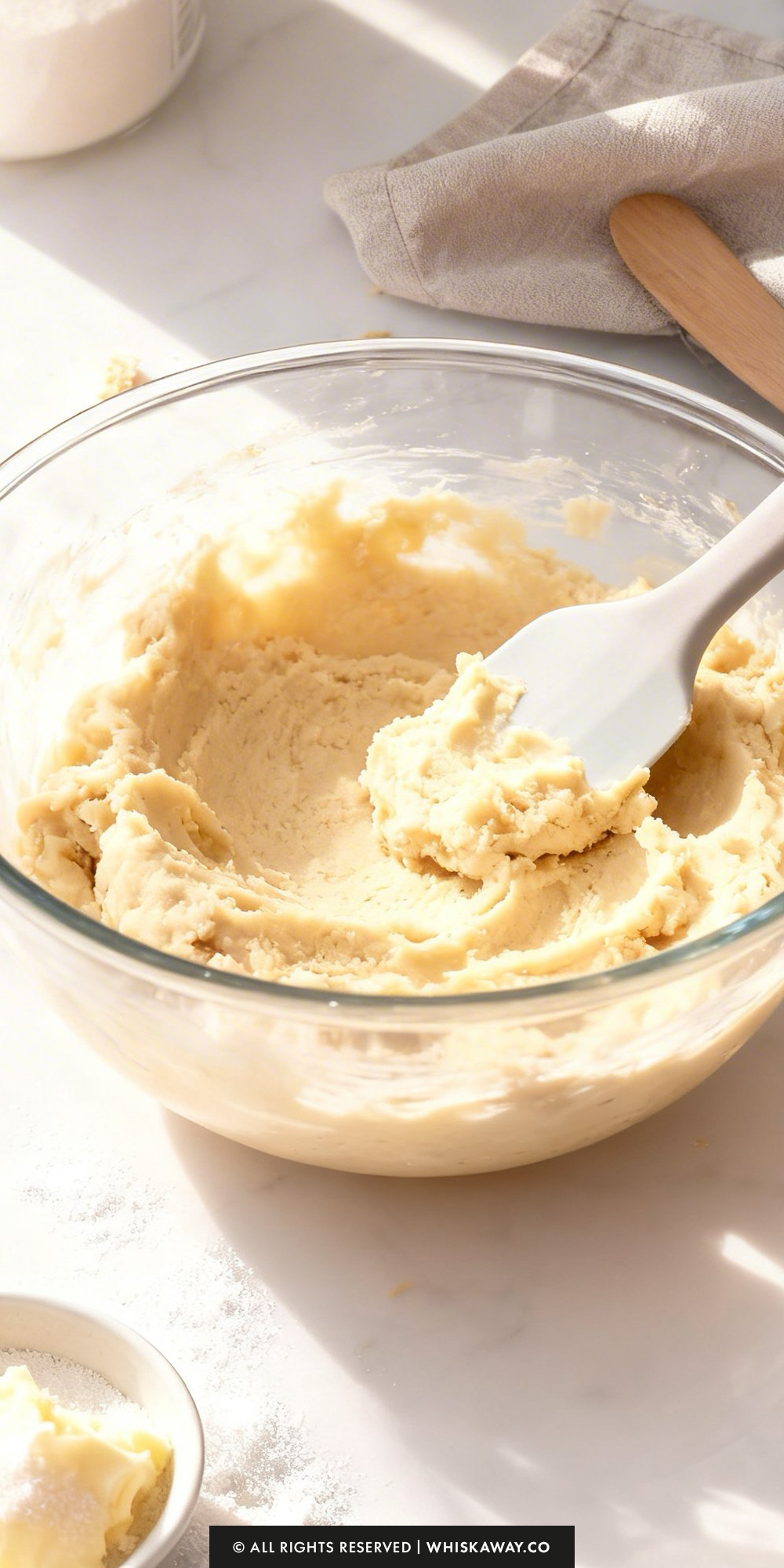
Here’s how to ensure consistently great results:
1. Use room-temperature ingredients
Butter and eggs should be at room temperature. Softened butter creams more evenly with sugar, creating a light, tender dough.
Cold butter will not incorporate properly, while melted butter can make cookies spread too much.
2. Don’t overmix
Once you add the flour mixture to the wet ingredients, mix only until just combined. Overmixing develops gluten, which can make cookies tough or dense. A soft, slightly sticky dough is normal and ideal.
3. Chill the dough
Chilling the dough for at least 2 hours (or up to 2 days) is crucial for shape retention and texture.
Chilled dough prevents cookies from spreading too thin and allows for cleaner, sharper edges when cutting shapes.
If the dough has been in the fridge for a long time, let it sit for 10–20 minutes before rolling to make it easier to handle.
4. Flour your surface lightly
When rolling out dough, lightly flour your rolling pin and surface to prevent sticking, but avoid adding too much extra flour, which can dry out the cookies and make them crumbly.
5. Even thickness matters
Roll the dough to a consistent 1/4-inch thickness to ensure all cookies bake evenly.
Uneven dough thickness can lead to overbaked edges or underbaked centers.
6. Watch baking time
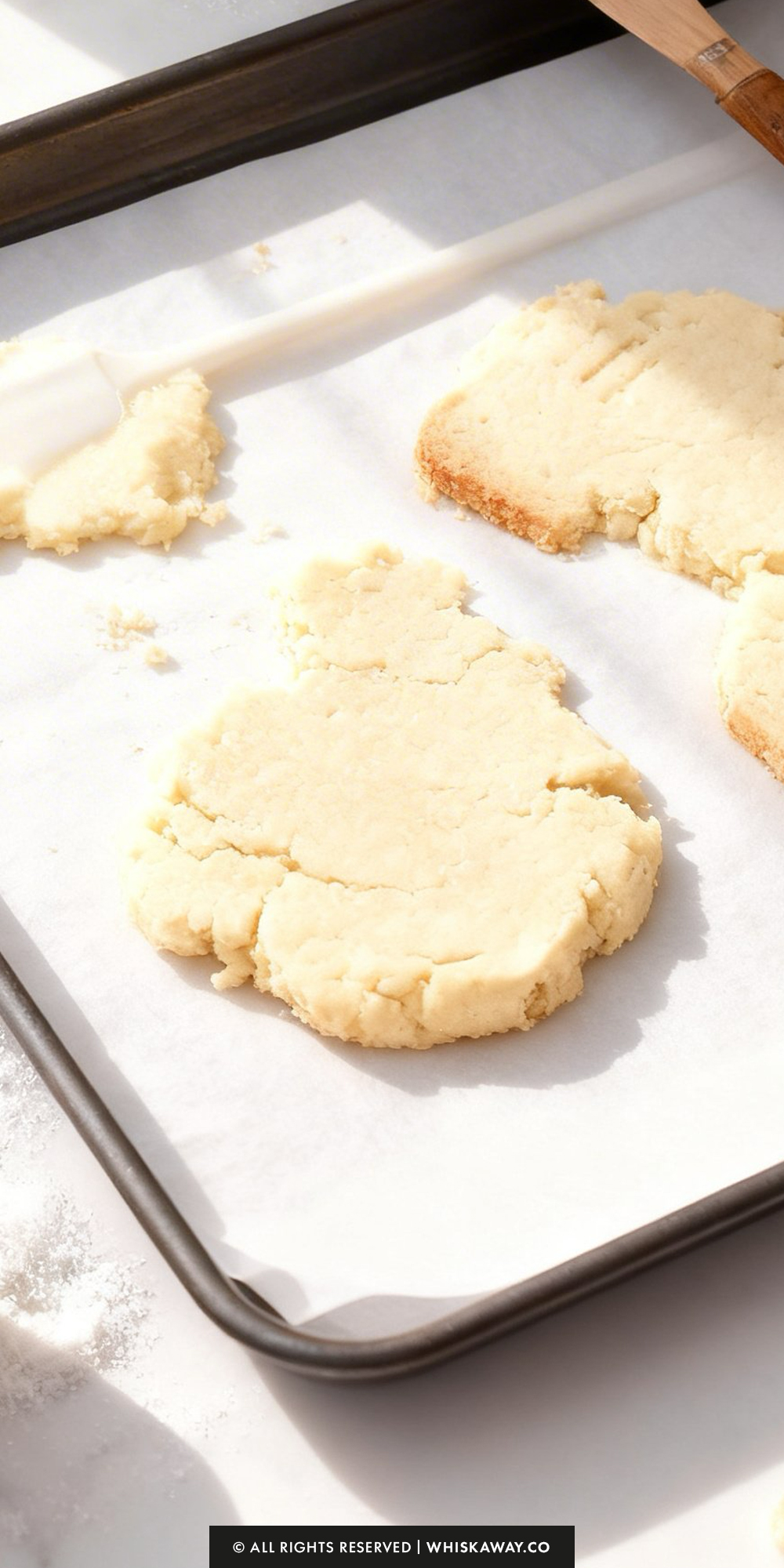
Cookies should come out of the oven lightly golden at the edges but still soft in the center.
hey will firm up as they cool. Overbaking even by a minute can lead to dry, hard cookies.
7. Rotate pans if needed
If your oven has hot spots, rotate the baking sheet halfway through baking to promote even color and baking.
8. Handle cookies carefully after baking
Let cookies cool on the baking sheet for a few minutes before transferring to a wire rack. This allows them to set slightly and prevents breakage.
9. Customize icing application
Decorate cooled cookies with icing of your choice. For intricate designs, allow each layer to dry before adding another.
Refrigerating decorated cookies briefly can speed up setting, but avoid storing cookies in the fridge too long, as it can affect texture.
Common Mistakes to Avoid
- Skipping chilling: Leads to spreading and less defined shapes.
- Adding too much flour: Makes cookies dry and crumbly.
- Overbaking: Results in hard, crunchy edges instead of soft centers.
- Using warm cookies for icing: Can melt the icing or cause it to slide off.
By following these steps, you’ll consistently get sugar cookies with tender centers, lightly crisp edges, and the perfect canvas for decorating.

Variation Tips
Sugar cookies are wonderfully versatile, and with a few simple tweaks, you can create a variety of flavors, textures, and dietary-friendly options while keeping the core recipe intact.
1. Flavor Boosters
- Extract swaps: Replace all or part of the vanilla extract with almond, lemon, orange, or peppermint extract for a different twist.
- Citrus zest: Add 1–2 teaspoons of finely grated lemon, lime, or orange zest to the dough for a bright, fresh flavor.
- Spices: A pinch of cinnamon, nutmeg, or cardamom can add warmth and depth without overpowering the classic sweetness.
2. Texture Tweaks
- Chewier cookies: Substitute 2–3 tablespoons of granulated sugar with light brown sugar to add moisture and chewiness.
- Crispier cookies: Slightly flatten the dough balls before baking or add 1–2 teaspoons of cornstarch to the flour for a delicate, crisp texture.
- Chunky additions: Fold in mini chocolate chips, white chocolate chunks, or finely chopped nuts for a subtle crunch or extra flavor layers.
3. Decorative Variations
- Roll dough balls in colored sugar before baking for a fun, festive look.
- Sprinkle coarse sugar or edible glitter on top for sparkle.
- For iced cookies, try royal icing, glaze, or buttercream, adding natural food colorings or cocoa for variety.
4. Dietary-Friendly Substitutions
- Vegan: Use plant-based butter and a flax or chia egg (1 tablespoon ground flax/chia + 3 tablespoons water, let sit 5 minutes).
- Gluten-Free: Replace all-purpose flour with a 1:1 gluten-free flour blend. Add 1/4 teaspoon xanthan gum if your blend doesn’t contain it.
- Lower sugar: Reduce granulated sugar by 2–3 tablespoons or replace part with coconut sugar for a subtle caramel flavor.
5. Fun Mix-Ins
- Add a teaspoon of finely chopped freeze-dried fruits for tart bursts.
- Mix in small amounts of cocoa powder (1–2 tablespoons) for a chocolatey version.
- Swirl in peanut butter, almond butter, or Nutella to create marbled cookies.
With these tweaks, you can make your sugar cookies uniquely yours—perfect for seasonal flavors, dietary needs, or just experimenting with fun tastes and textures.

Storage Tips
Proper storage is key to keeping your sugar cookies fresh, soft, and full of flavor.
Here’s how to store them at different stages and for different purposes:
1. At Room Temperature
- Plain cookies: Store cooled cookies in an airtight container at room temperature. They will stay fresh for up to 5 days.
- Tips: Place a slice of bread or a damp paper towel in the container to help maintain softness; the cookies will absorb moisture from the bread. Avoid leaving them exposed to air, which causes them to dry out.
2. Refrigeration
- Plain or decorated cookies: Can be stored in an airtight container in the fridge for up to 10 days.
- Iced cookies with buttercream: Store refrigerated for up to 5 days to prevent the frosting from spoiling. Let them sit at room temperature for 15–30 minutes before serving to bring out flavor and soften the texture.
- Tips: Separate layers of cookies with parchment paper to prevent sticking or smudging.
3. Freezing
- Dough: Wrap unbaked cookie dough tightly in plastic wrap, then place in a freezer-safe bag. Dough can be frozen for up to 3 months. Thaw in the fridge overnight before rolling and baking.
- Baked cookies: Cool completely, then place in an airtight freezer-safe container with parchment layers between cookies. Freeze for up to 3 months. Thaw at room temperature for a few hours before serving.
- Tips: Freeze undecorated cookies first, then decorate after thawing to maintain the best appearance.
4. Reheating Tips
- Slightly stale or chilled cookies can be refreshed by warming in the oven at 300°F (150°C) for 3–5 minutes. This softens the cookies without overbaking.
Common Storage Mistakes to Avoid
- Don’t stack warm cookies in a container as this traps steam and makes them soggy.
- Avoid freezing already frosted cookies unless the frosting is designed for freezing; delicate icings can crack or separate.
- Don’t leave cookies in direct sunlight or humid areas, which can cause them to lose texture and flavor.
By following these tips, your sugar cookies will stay delicious, soft, and perfect for decorating, gifting, or snacking, even days after baking.
Save for Later To Your Pinterest Board

FAQs
Can I substitute all-purpose flour for a gluten-free flour?
Yes! You can use a 1:1 gluten-free baking flour blend. Keep in mind that the texture may be slightly different—cookies might be more delicate or slightly crumbly. Chilling the dough longer can help maintain shape.
Can I use a different type of sugar?
Granulated sugar is standard, but you can experiment with coconut sugar or a light brown sugar for a subtle caramel flavor. Note that darker sugars may change the cookie color and slightly soften the texture.
How do I prevent my sugar cookies from spreading too much?
Chill the dough for at least 2 hours before rolling and cutting. Also, ensure your butter is softened but not melted. Using a lightly floured surface and parchment-lined baking sheets helps maintain cookie shape.
How long do sugar cookies last, and how should I store them?
Room temperature: Up to 5 days in an airtight container.
Refrigerated: Up to 10 days, especially for buttercream-decorated cookies.
Frozen: Dough up to 3 months; baked cookies up to 3 months when wrapped tightly. Always thaw completely before decorating or serving.
Can I decorate sugar cookies in advance?
Yes! Royal icing or cookie icing can be applied once cookies are fully cooled. Allow the icing to set completely before storing. Buttercream can be applied, but decorated cookies should be eaten within 1 day at room temperature or up to 5 days refrigerated.

Sugar Cookies
24
cookies40
minutes12
minutesThis sugar cookies recipe is simple, sweet, and perfect for decorating or enjoying plain with a cup of coffee.
Ingredients
2 and 1/4 cups (281g) all-purpose flour (spooned & leveled), plus more as needed for rolling and work surface
3/4 cup (12 Tbsp; 170g) unsalted butter, softened to room temperature
3/4 cup (150g) granulated sugar
1 large egg, at room temperature
2 teaspoons pure vanilla extract
1/2 teaspoon baking powder
1/4 teaspoon salt
1/4 teaspoon almond extract (optional, but makes the flavor outstanding)
Directions
- Prep dry ingredients: In a medium bowl, whisk together the flour, baking powder, and salt. Set aside.
- Cream butter and sugar: In a large mixing bowl, use a hand mixer or a stand mixer fitted with a paddle attachment to beat the butter and sugar on high speed until the mixture is light, fluffy, and creamy, about 3 minutes. Add the egg, vanilla, and almond extract (if using) and continue mixing on high until fully incorporated, about 1 minute. Scrape down the sides and bottom of the bowl as needed to ensure even mixing.
- Combine wet and dry ingredients: Reduce the mixer speed to low and gradually add the flour mixture to the wet ingredients. Mix until just combined—the dough should be soft but manageable. If the dough feels too sticky to roll, beat in 1 additional tablespoon of flour.
- Divide and roll out dough: Split the dough in half. Place each portion between lightly floured sheets of parchment paper or on a floured silicone baking mat. Using a lightly floured rolling pin, roll the dough to an even thickness of about 1/4 inch. Add a touch more flour if the dough starts sticking.
- Chill dough: Lightly dust one portion of rolled dough with flour to prevent sticking, then stack the second portion on top. Wrap the layered dough tightly and refrigerate for at least 2 hours, or up to 2 days.
- Cut cookies: Preheat the oven to 350°F (177°C) and line baking sheets with parchment paper or silicone mats. Remove the top portion of chilled dough carefully. If it sticks, gently lift it to separate. Using cookie cutters, cut dough into desired shapes. Gather scraps, reroll, and continue cutting until all dough is used. Repeat with the second portion of dough. Place the cookies about 3 inches apart on the prepared baking sheets.
- Bake: Bake the cookies for 11–12 minutes, until the edges are lightly golden and set. If your oven has hot spots, rotate the baking sheets halfway through baking.
- Cool: Allow the cookies to cool on the baking sheet for 5 minutes, then transfer them to a wire rack to cool completely.
- Decorate (optional): Once cooled, decorate the cookies with royal icing, cookie icing, or buttercream. Gel food coloring can be used to tint icings. You can decorate directly on the baking sheet for easier handling or to chill the icing quickly.
- Serve or store: Enjoy immediately or wait for the icing to set. Plain or iced cookies can be stored in an airtight container at room temperature for up to 5 days, or refrigerated for up to 10 days. Cookies decorated with buttercream can be kept at room temperature for 1 day, or in the fridge for up to 5 days.